
What is the stability of a melt pressure gauge over time?
Leave a message

What is the stability of a melt pressure gauge over time?
As a leading supplier of melt pressure gauges, I often encounter questions from customers about the long - term stability of these crucial instruments. Melt pressure gauges are widely used in various industries, such as plastics processing, chemical engineering, and food production, to measure the pressure of molten materials accurately. Understanding the stability of a melt pressure gauge over time is essential for ensuring reliable and consistent production processes.
Factors Affecting the Stability of Melt Pressure Gauges
1. Sensor Material and Design
The sensor is the heart of a melt pressure gauge. Different sensor materials have different physical and chemical properties, which can significantly affect the gauge's stability. For example, sensors made of high - quality stainless steel or special alloys are more resistant to corrosion and high - temperature deformation. A well - designed sensor with a proper diaphragm structure can also minimize the influence of external factors on the pressure measurement.
The diaphragm of the sensor is in direct contact with the molten material. Over time, the diaphragm may experience wear and tear due to the high - pressure and high - temperature environment. If the diaphragm material is not robust enough, it may develop cracks or deform, leading to inaccurate pressure readings. Therefore, choosing a melt pressure gauge with a high - quality sensor material and a well - engineered diaphragm design is crucial for long - term stability.
2. Temperature Fluctuations
Melt pressure gauges are often used in high - temperature environments. Temperature fluctuations can have a significant impact on the stability of the gauge. Most sensors are sensitive to temperature changes, and if not properly compensated, temperature variations can cause drift in the pressure readings.
To address this issue, modern melt pressure gauges are equipped with temperature compensation mechanisms. These mechanisms work by adjusting the output signal of the sensor based on the temperature changes. However, the effectiveness of temperature compensation can degrade over time. For example, the components of the temperature compensation circuit may age, leading to a decrease in the accuracy of the compensation. Regular calibration and maintenance are necessary to ensure that the temperature compensation remains effective and the gauge maintains its stability over time.
3. Vibration and Mechanical Stress
In industrial environments, melt pressure gauges are often exposed to vibration and mechanical stress. Vibration can cause the internal components of the gauge to loosen or wear out, leading to inaccurate pressure measurements. Mechanical stress, such as mounting stress or pressure spikes, can also damage the sensor or other components of the gauge.
To improve the stability of the gauge in the presence of vibration and mechanical stress, proper installation is essential. The gauge should be mounted securely using appropriate mounting hardware. Additionally, shock - absorbing materials can be used to reduce the impact of vibration on the gauge. Some advanced melt pressure gauges are also designed with anti - vibration features, such as damping mechanisms, to enhance their stability in harsh industrial environments.
Measuring and Evaluating the Stability of Melt Pressure Gauges
1. Calibration
Calibration is the most common method for measuring the stability of a melt pressure gauge over time. Calibration involves comparing the output of the gauge with a known standard pressure. By performing regular calibrations at specific intervals, we can detect any drift in the gauge's readings.
The calibration interval depends on various factors, such as the application environment, the frequency of use, and the manufacturer's recommendations. In general, more critical applications may require more frequent calibrations. For example, in the plastics processing industry, where precise pressure control is essential for product quality, melt pressure gauges may need to be calibrated every few months.
2. Long - Term Monitoring
Long - term monitoring of the pressure readings can also provide valuable information about the stability of the melt pressure gauge. By recording the pressure readings over an extended period, we can analyze the trends and detect any gradual changes in the gauge's performance.
Advanced data logging systems can be used to monitor the pressure readings continuously. These systems can store the data and generate reports, allowing us to identify any patterns of instability. For example, if the pressure readings show a gradual increase or decrease over time, it may indicate a problem with the gauge's stability.
Our Product Offerings and Their Stability Features
As a supplier of melt pressure gauges, we offer a wide range of products, each designed to provide excellent stability over time.
Our Vacuum Digital Pressure Gauge is equipped with a high - precision digital sensor and advanced temperature compensation technology. The digital display provides clear and accurate pressure readings, and the temperature compensation ensures that the readings remain stable even in the presence of temperature fluctuations. The sensor is made of high - quality materials that are resistant to corrosion and wear, ensuring long - term reliability.


Our High Temperature Mechanical Melt Presssure Gauges are designed for use in extremely high - temperature environments. These gauges feature a robust mechanical design and a special diaphragm material that can withstand high temperatures and pressures. The mechanical structure provides reliable operation and is less affected by electrical interference. With proper installation and maintenance, these gauges can maintain their stability for a long time.
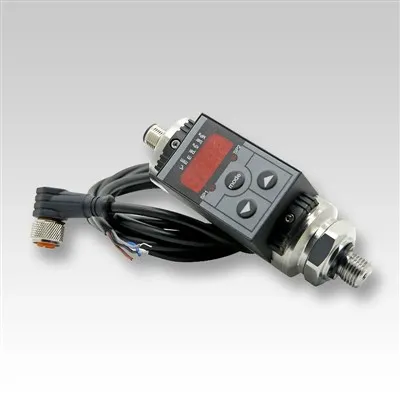
Our Digital Melt Presssure Gauges offer high accuracy and stability. They are equipped with advanced microprocessors that can perform real - time data processing and compensation. The digital output allows for easy integration with other control systems, and the built - in self - diagnostic function can detect any potential problems early, ensuring the long - term stability of the gauge.
Conclusion and Call to Action
The stability of a melt pressure gauge over time is a critical factor in ensuring the reliability and efficiency of industrial processes. By understanding the factors that affect stability, such as sensor material, temperature fluctuations, vibration, and mechanical stress, and by using appropriate measurement and evaluation methods, we can ensure that the gauges perform accurately over the long term.
At our company, we are committed to providing high - quality melt pressure gauges with excellent stability. Our products are designed to meet the demanding requirements of various industries and are backed by our professional technical support and after - sales service.
If you are looking for reliable melt pressure gauges for your industrial applications, we invite you to contact us for more information. Our team of experts will be happy to assist you in choosing the right product and answering any questions you may have. We look forward to working with you to ensure the success of your production processes.
References
- "Industrial Pressure Measurement: Principles and Applications" by John Doe.
- "Melt Pressure Gauge Technology and Maintenance" by Jane Smith.