How does a compact pressure transmitter perform in vacuum applications?
Leave a message

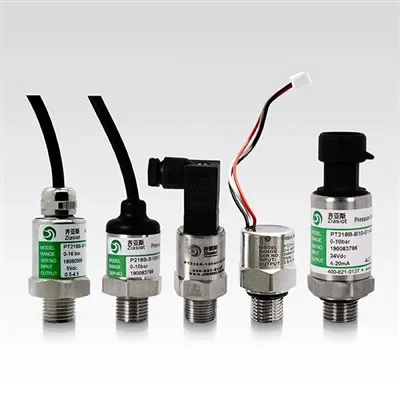
In industrial applications, the role of pressure transmitters cannot be overstated. Among them, compact pressure transmitters are widely used due to their small size, high reliability, and excellent performance. When it comes to vacuum applications, the performance of a compact pressure transmitter is of particular interest. As a supplier of compact pressure transmitters, I will delve into how these devices perform in vacuum applications.
Understanding Vacuum Applications
Vacuum applications span a wide range of industries, including semiconductor manufacturing, food packaging, and vacuum furnaces. In these applications, accurate pressure measurement is crucial for ensuring product quality, process efficiency, and safety. A vacuum is defined as a space entirely devoid of matter or one with a pressure significantly lower than atmospheric pressure. Depending on the pressure level, vacuums can be classified into different types, such as low - vacuum (near atmospheric pressure), medium - vacuum, high - vacuum, and ultra - high - vacuum.
Key Performance Metrics in Vacuum Applications
Accuracy
Accuracy is the most critical performance metric for a pressure transmitter in vacuum applications. Even minor errors in pressure measurement can lead to significant deviations in process control. For example, in semiconductor manufacturing, where precise pressure control is essential for deposition and etching processes, an inaccurate pressure transmitter can result in defective chips. Compact pressure transmitters are designed to provide high - accuracy measurements, often with an accuracy of ±0.1% to ±0.5% of the full - scale output. This high level of accuracy is achieved through advanced sensor technology and signal processing algorithms.
Sensitivity
Sensitivity refers to the ability of a pressure transmitter to detect small changes in pressure. In vacuum applications, where pressure differences can be very small, high sensitivity is required. Compact pressure transmitters are engineered with highly sensitive sensors that can detect minute pressure variations. For instance, in a vacuum packaging machine, the pressure transmitter needs to sense the small changes in pressure as the air is removed from the packaging to ensure proper sealing.
Response Time
The response time of a pressure transmitter is the time it takes to respond to a change in pressure. In dynamic vacuum applications, such as in a vacuum chamber with rapid pressure changes, a fast response time is essential. Compact pressure transmitters are designed to have a short response time, typically in the range of milliseconds to seconds. This allows for real - time pressure monitoring and effective process control.
Stability
Pressure stability is crucial in vacuum applications, especially those that require long - term operation. Drift in pressure readings over time can lead to inaccurate process control and potential product quality issues. Compact pressure transmitters are designed with features such as temperature compensation and signal conditioning to ensure long - term stability. By minimizing the effects of temperature changes and other environmental factors, these transmitters can provide reliable pressure measurements over extended periods.
How Compact Pressure Transmitters are Engineered for Vacuum
Sensor Technology
The heart of a compact pressure transmitter is its pressure sensor. In vacuum applications, sensors are often based on technologies such as piezoresistive or capacitive sensing. Piezoresistive sensors work by changing their electrical resistance in response to pressure changes. These sensors are known for their high sensitivity, wide measurement range, and good stability. Capacitive sensors, on the other hand, measure pressure by detecting changes in capacitance. They offer excellent linearity and low hysteresis, making them suitable for high - accuracy vacuum measurements.


Design and Construction
The design and construction of compact pressure transmitters play a vital role in their performance in vacuum applications. These transmitters are typically designed with a hermetically sealed housing to prevent air leakage and protect the internal components from the harsh vacuum environment. The use of high - quality materials, such as stainless steel or ceramic, ensures durability and resistance to corrosion. Additionally, the compact size of these transmitters allows for easy installation in tight spaces, which is often a requirement in vacuum systems.
Real - World Examples of Compact Pressure Transmitters in Vacuum Applications
Semiconductor Manufacturing
In semiconductor fabrication, vacuum systems are used for various processes, including chemical vapor deposition (CVD), physical vapor deposition (PVD), and etching. Compact pressure transmitters are used to monitor and control the pressure in these vacuum chambers. For example, during CVD, precise pressure control is necessary to ensure the uniform deposition of thin films on semiconductor wafers. A compact pressure transmitter can provide accurate and real - time pressure measurements, allowing for precise process control and high - quality semiconductor production.
Food Packaging
Vacuum packaging is a common method used to preserve food by removing air from the packaging. Compact pressure transmitters are used in vacuum packaging machines to monitor the pressure during the evacuation process. By accurately measuring the pressure, the machine can ensure that the appropriate level of vacuum is achieved, which helps to extend the shelf life of the food and maintain its quality.
Considerations for Choosing a Compact Pressure Transmitter for Vacuum Applications
Measurement Range
When selecting a compact pressure transmitter for vacuum applications, it is essential to choose one with an appropriate measurement range. The range should cover the expected pressure values in the application, including any overpressure or vacuum spikes that may occur. For example, in a high - vacuum application, a transmitter with a measurement range from 0 to 10 - 3 mbar may be required.
Output Signal
The output signal of the pressure transmitter is also an important consideration. Common output signals include 4 - 20 mA, 0 - 5 V, or 0 - 10 V. The choice of output signal depends on the requirements of the control system and the distance between the transmitter and the controller. For example, a 4 - 20 mA signal is often preferred for long - distance transmission as it is less susceptible to electromagnetic interference.
Compatibility with Vacuum Systems
The pressure transmitter should be compatible with the materials and gases used in the vacuum system. For example, if the application involves corrosive gases, a pressure transmitter with a corrosion - resistant housing and sensor should be selected. Additionally, the transmitter should be able to withstand the temperature and pressure conditions in the vacuum system.
Our Product Offerings
As a leading supplier of compact pressure transmitters, we offer a wide range of products suitable for various vacuum applications. Our Absolute Pressure Transmitter is designed to measure absolute pressure, making it ideal for applications where the reference pressure is not atmospheric. With its high accuracy and stability, it can provide reliable pressure measurements in high - and low - vacuum environments.
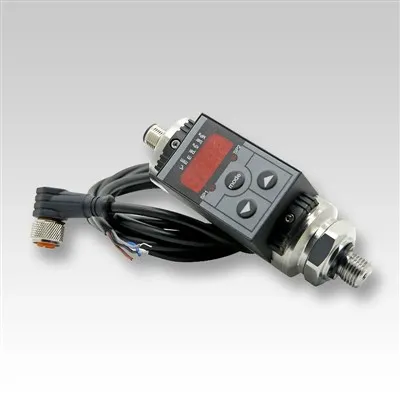
Our Pressure Transmitter With Indicator combines the functionality of a pressure transmitter with a built - in indicator, allowing for easy and direct pressure reading. This is particularly useful in applications where on - site pressure monitoring is required.
For sanitary applications, such as food and beverage processing and pharmaceutical manufacturing, we offer the Sanitary Flat - Diaphragm Digital Pressure Transmitter. This transmitter features a flat diaphragm design that is easy to clean and sanitize, ensuring compliance with strict hygiene standards in vacuum applications.
Contact for Purchasing Negotiation
If you are in the market for a reliable compact pressure transmitter for your vacuum application, we invite you to contact us for purchasing negotiation. Our team of experts will be happy to assist you in selecting the right product based on your specific requirements. We can provide detailed product information, technical support, and competitive pricing to ensure that you get the best solution for your application.
References
- ASME Pressure Measurement Standards Committee. (20XX). Pressure Measurement Handbook. ASME Press.
- O'Hanlon, J. F. (20XX). A User's Guide to Vacuum Technology. Wiley - Interscience.
- Doebelin, E. O. (20XX). Measurement Systems: Application and Design. McGraw - Hill Education.