How to select a melt temperature transmitter for a continuous process?
Leave a message

Picking the right melt temperature transmitter for a continuous process can feel like finding a needle in a haystack. As a supplier of these nifty gadgets, I've seen firsthand how crucial it is to get this choice right. A wrong pick can mess up the whole process, leading to wasted time, money, and a bunch of headaches. So, let's dive into what you need to consider when selecting a melt temperature transmitter.
Compatibility with Your Process
First off, you gotta make sure the melt temperature transmitter works well with your specific continuous process. Different processes have different requirements, like temperature ranges, pressure levels, and chemical environments. For example, if you're in the plastics industry, your process might involve high temperatures and corrosive materials. You'll need a transmitter that can handle these conditions without breaking down.
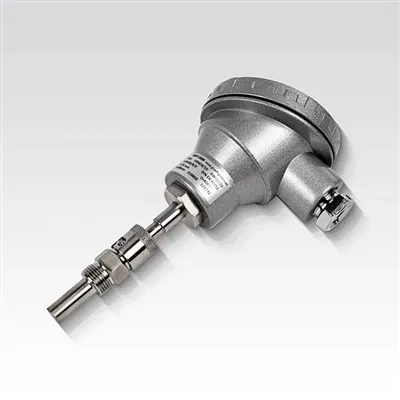
Our Integrated Melt Temperature Transmitter is a great option for many continuous processes. It's designed to be integrated seamlessly into your system, providing accurate temperature readings in real-time. This type of transmitter is often used in extrusion processes, where it helps maintain the right temperature for the plastic melt, ensuring a consistent product quality.
Temperature Range
The temperature range is a big deal. You need to know the minimum and maximum temperatures your process will reach. If the transmitter can't handle the temperature extremes, it'll give you inaccurate readings or, worse, stop working altogether.
Let's say you're running an extrusion process that requires a melt temperature of around 200 - 300 degrees Celsius. You'd want a transmitter with a temperature range that comfortably covers this span. Our Extruder Melt Temperature Transmitter is built to handle a wide range of temperatures, making it suitable for most extrusion applications. It can accurately measure temperatures in the extruder barrel, helping you keep the process running smoothly.


Accuracy and Precision
Accuracy and precision are two things you can't skimp on when it comes to temperature measurement. Accuracy refers to how close the measured value is to the true value, while precision is about how consistent the measurements are.
In a continuous process, even a small error in temperature measurement can lead to significant variations in the final product. That's why you need a transmitter that offers high accuracy and precision. Our transmitters are calibrated to provide accurate readings, and they're designed to be stable over time, ensuring consistent performance.
Response Time
The response time of a melt temperature transmitter is how quickly it can detect and report changes in temperature. In a continuous process, things can change rapidly, so you need a transmitter that can keep up.
A slow response time can cause delays in adjusting the process, leading to quality issues. Our Melt Temperature Sensor for Extrusion has a fast response time, allowing you to react quickly to temperature changes and maintain control of your process.
Installation and Maintenance
Installation and maintenance are often overlooked but are essential factors to consider. You want a transmitter that's easy to install and doesn't require a lot of maintenance.
Our transmitters are designed with user-friendly installation in mind. They come with clear instructions and can be installed with minimal downtime. And when it comes to maintenance, we've made sure that our products are durable and reliable, reducing the need for frequent repairs.
Communication and Compatibility
In today's digital age, communication is key. You need a melt temperature transmitter that can communicate with your existing control system. Whether it's a PLC, a SCADA system, or something else, compatibility is crucial.
Our transmitters support various communication protocols, making it easy to integrate them into your system. This allows you to monitor and control the temperature remotely, improving efficiency and productivity.
Cost
Cost is always a consideration. But remember, the cheapest option isn't always the best. You need to balance the cost with the features and performance you need.
Our products offer great value for money. We provide high-quality transmitters at competitive prices, ensuring that you get the most bang for your buck. And when you consider the potential savings in terms of improved product quality and reduced downtime, our transmitters are a smart investment.
Support and Service
Last but not least, you want to work with a supplier that offers excellent support and service. If something goes wrong, you need to know that you can get help quickly.
We're committed to providing top-notch support to our customers. Our team of experts is available to answer your questions and help you solve any problems you might encounter. Whether it's installation advice, troubleshooting, or product training, we've got you covered.
So, if you're in the market for a melt temperature transmitter for your continuous process, don't hesitate to reach out. We're here to help you select the right product for your needs and ensure a smooth and successful implementation. Contact us today to start the conversation and take your process to the next level.
References
- "Industrial Temperature Measurement Handbook"
- "Extrusion Process Technology for Plastics"