

Pressure Transducer
In the complex world of industrial measurement and control, pressure transducers are indispensable devices. Ziasiot, a leading pressure transducer brand, offers a wide range of high - quality pressure transducers that serve various applications. Ziasiot pressure transducers include different types such as strain gauge pressure transducer, submersible pressure transducer, differential pressure transducer, absolute pressure transducer, water pressure transducer, liquid pressure transducer, air compressor pressure transducers, and more.
Pressure Transducer Working Principle
The fundamental idea behind all Ziasiot pressure transducers is the conversion of pressure into an electrical signal. A pressure-sensing element that reacts to applied pressure is a part of the general process. When pressure is applied to this element, physical changes occur, which are subsequently converted into changes in electrical parameters like as voltage, current, or frequency.


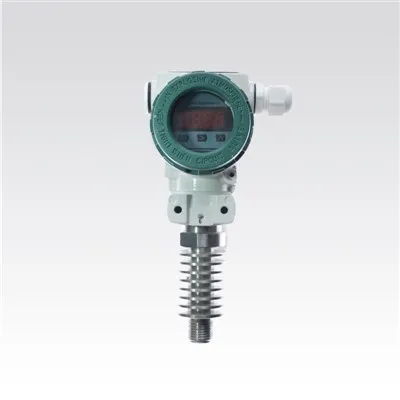

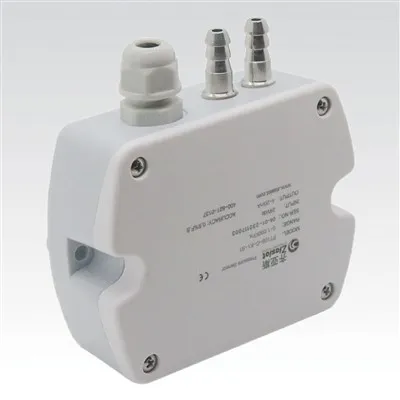


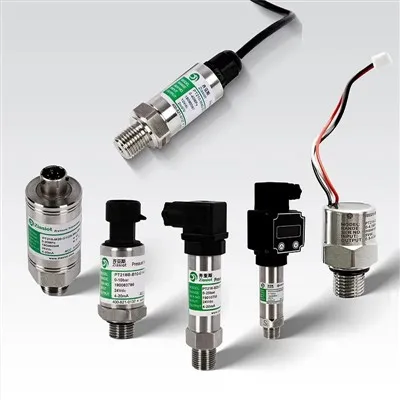
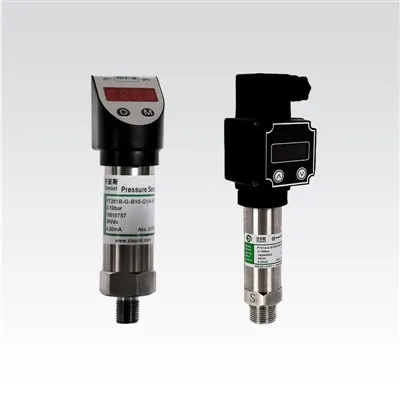

Pressure transducers are classified based on the type of pressure they measure and their specific use cases. Here are some common types:
1. Gauge Pressure Transducer
Measures pressure relative to atmospheric pressure.
Applications: Industrial processes, HVAC systems.
Example: HVAC pressure transducer for air pressure monitoring.
2. Absolute Pressure Transducer
Measures pressure relative to a perfect vacuum.
Applications: Barometric pressure measurement, altitude sensing.
Example: Absolute pressure transducer in weather stations.
3. Differential Pressure Transducer
Measures the difference between two pressures.
Applications: Flow measurement, filtration systems.
Example: Gas pressure transducer in gas flow monitoring.
4. Fluid Pressure Transducer
Measures the pressure of liquids.
Applications: Hydraulic systems, water treatment.
Example: Liquid pressure transducer in hydraulic machinery.
5. Air Pressure Transducer
Specifically measures air pressure.
Applications: Pneumatic systems, air compressors.
Example: Air compressor pressure transducer for regulating air pressure.
6. Low Pressure Pressure Transducer
Measures very low pressure levels.
Applications: Medical devices, environmental monitoring.
Example: Low pressure pressure transducer in ventilators.
7. Submersible Pressure Transducer
Operates underwater to measure liquid pressure.
Applications: Water level monitoring, marine systems.
Example: Water pressure transducer in reservoirs.
8. Hydraulic Pressure Transducer
Measures high-pressure fluids in hydraulic systems.
Applications: Construction equipment, heavy machinery.
Example: Hydraulic transducer in excavators.
9. Intrinsically Safe Pressure Transducer
Designed for hazardous environments.
Applications: Oil and gas, chemical industries.
Example: Intrinsically safe pressure transducer in refineries.
10. Analog Pressure Transducer
Provides analog output signals (e.g., 4-20 mA or 0-10 V).
Applications: Industrial automation, process control.
Example: Analog pressure transducer in manufacturing.
How Does a Pressure Transducer Work?
A pressure transducer converts pressure into an electrical signal through the following steps:
Pressure Application: Pressure is applied to the transducer’s sensing element (e.g., diaphragm, piezoelectric crystal).
Deformation: The sensing element deforms in response to the pressure.
Signal Conversion: The deformation is converted into an electrical signal using technologies like strain gauges, capacitive sensing, or piezoelectric effects.
Output: The electrical signal is transmitted to a display, controller, or data acquisition system for further processing.
For example, an air compressor pressure transducer measures the air pressure in a compressor and sends a signal to regulate the system’s operation.
Pressure Transducer vs Pressure Transmitter
While the terms are often used interchangeably, there are key differences:
Pressure Transducer: Converts pressure into an electrical signal but does not amplify or condition the signal.
Pressure Transmitter: Amplifies and conditions the signal, making it suitable for long-distance transmission.
Application: Transducers are often used in local monitoring, while transmitters are used in remote monitoring systems.
Pressure Transducer vs Pressure Sensor
Pressure Sensor: Detects pressure and provides a raw output (e.g., resistance or voltage).
Pressure Transducer: Converts the sensor’s output into a standardized electrical signal (e.g., 4-20 mA).
Functionality: Sensors are simpler, while transducers include additional signal processing.
As one of the most professional pressure transducer manufacturers and suppliers in China, we're featured by quality products and low price. Welcome to wholesale the best selling pressure transducer for sale here from our factory. Contact us for customized service.
Standard Silicon Pressure Transmitter, Water level sensor, electronic pressure transducer