
What are the temperature switch requirements for industrial ovens?
Leave a message

Industrial ovens are essential equipment in various industries, including manufacturing, food processing, and pharmaceuticals. These ovens are designed to maintain specific temperature ranges for different processes, such as baking, drying, and curing. To ensure the safe and efficient operation of industrial ovens, temperature switches play a crucial role. As a temperature switch supplier, I understand the importance of meeting the specific requirements of industrial oven applications. In this blog post, I will discuss the key temperature switch requirements for industrial ovens.
Temperature Accuracy and Precision
One of the primary requirements for temperature switches in industrial ovens is high accuracy and precision. The temperature switch must be able to accurately measure the temperature inside the oven and trigger the appropriate action when the set temperature is reached. This is crucial for maintaining the quality and consistency of the products being processed in the oven. For example, in the food processing industry, precise temperature control is essential to ensure that food products are cooked or baked to the correct temperature, which affects their taste, texture, and safety.
To achieve high accuracy and precision, temperature switches often use advanced sensing technologies, such as thermocouples or resistance temperature detectors (RTDs). These sensors can provide accurate temperature measurements over a wide range of temperatures. Additionally, the temperature switch should have a high resolution, which allows for fine-tuning of the set temperature. For instance, a temperature switch with a resolution of 0.1°C can provide more precise control compared to one with a resolution of 1°C.
Temperature Range
Industrial ovens can operate at a wide range of temperatures, from relatively low temperatures for drying processes to extremely high temperatures for heat treatment applications. Therefore, the temperature switch must be able to handle the specific temperature range required by the oven. For example, in a food processing oven, the temperature may range from 50°C to 250°C, while in a heat treatment oven, the temperature can reach up to 1000°C or more.
When selecting a temperature switch for an industrial oven, it is important to consider the maximum and minimum temperature limits of the switch. The switch should be able to operate reliably within the entire temperature range of the oven. Additionally, the switch should have a wide temperature differential setting, which allows for flexibility in controlling the temperature. For example, a temperature switch with a differential setting of 5°C can be used to maintain a temperature within a 5°C range around the set point.
Response Time
The response time of a temperature switch is another important factor to consider in industrial oven applications. The response time refers to the time it takes for the switch to detect a change in temperature and trigger the appropriate action. In industrial ovens, a fast response time is crucial to ensure that the temperature is quickly adjusted when there is a deviation from the set point. This helps to prevent overheating or underheating of the oven, which can affect the quality of the products being processed.
The response time of a temperature switch depends on several factors, including the type of sensor used, the design of the switch, and the environment in which it is operating. For example, thermocouples generally have a faster response time compared to RTDs. Additionally, temperature switches with a compact design and a high sensitivity can provide a faster response time.
Reliability and Durability
Industrial ovens are often used in harsh environments, which can expose the temperature switch to high temperatures, vibrations, and electrical interference. Therefore, the temperature switch must be reliable and durable to ensure long-term operation. The switch should be able to withstand the harsh conditions of the oven environment without malfunctioning or failing.
To ensure reliability and durability, temperature switches are often designed with high-quality materials and components. For example, the switch housing may be made of stainless steel or other corrosion-resistant materials to protect the internal components from damage. Additionally, the switch should be designed to meet relevant industry standards and certifications, such as UL, CE, and RoHS.
Safety Features
Safety is a top priority in industrial oven applications. Temperature switches can play a crucial role in ensuring the safety of the oven and the operators. Therefore, the temperature switch should have appropriate safety features to prevent overheating and other potential hazards.
One important safety feature is over-temperature protection. The temperature switch should be able to detect when the temperature inside the oven exceeds a pre-set limit and automatically shut off the power to the oven. This helps to prevent damage to the oven and the products being processed, as well as reduce the risk of fire or other safety hazards.


Another safety feature is alarm functionality. The temperature switch can be equipped with an alarm that alerts the operators when the temperature is outside the normal range. This allows the operators to take immediate action to correct the problem and prevent any potential damage or safety issues.
Compatibility with Other Components
In industrial oven applications, the temperature switch needs to be compatible with other components of the oven control system, such as the heating elements, fans, and controllers. The switch should be able to communicate effectively with these components to ensure proper operation of the oven.
For example, the temperature switch may need to be able to provide a signal to the heating elements to turn them on or off based on the temperature inside the oven. Additionally, the switch may need to be compatible with the control system's communication protocol, such as Modbus or Profibus, to allow for remote monitoring and control of the oven.
Types of Temperature Switches for Industrial Ovens
There are several types of temperature switches available for industrial oven applications, each with its own advantages and disadvantages. Some of the common types of temperature switches include:
- Mechanical Temperature Switches: These switches use a bimetallic strip or a liquid-filled bulb to detect changes in temperature. When the temperature reaches a certain point, the bimetallic strip or the bulb expands or contracts, which causes the switch to open or close. Mechanical temperature switches are simple, reliable, and cost-effective, but they may have a limited temperature range and a relatively slow response time.
- Electronic Temperature Switches: These switches use electronic sensors, such as thermocouples or RTDs, to detect changes in temperature. The sensor converts the temperature into an electrical signal, which is then processed by an electronic circuit to trigger the switch. Electronic temperature switches offer high accuracy, precision, and a fast response time, but they may be more expensive compared to mechanical switches.
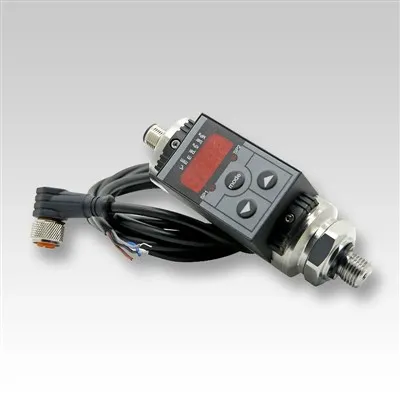
- Electronic Intellegent Digital Temperature Switch: This type of temperature switch combines the advantages of electronic sensors with digital technology. It offers high accuracy, precision, and a fast response time, as well as advanced features such as digital display, programmable set points, and communication interfaces. The electronic intelligent digital temperature switch is suitable for applications that require precise temperature control and remote monitoring.
- Digital Temperature Switch: Similar to the electronic intelligent digital temperature switch, the digital temperature switch uses digital technology to provide accurate temperature control. It typically has a digital display that shows the current temperature and the set point. Digital temperature switches are easy to use and offer a high level of flexibility in setting the temperature.
- Smart Digital Automatic Temperature Switch: This is an advanced type of temperature switch that offers intelligent control and automation features. The smart digital automatic temperature switch can automatically adjust the temperature based on the process requirements and the environmental conditions. It can also communicate with other devices in the oven control system to optimize the operation of the oven.
Conclusion
In conclusion, temperature switches are essential components in industrial ovens, and they must meet specific requirements to ensure the safe and efficient operation of the ovens. The key requirements for temperature switches in industrial oven applications include temperature accuracy and precision, temperature range, response time, reliability and durability, safety features, compatibility with other components, and the type of switch. As a temperature switch supplier, I offer a wide range of temperature switches that are designed to meet the specific needs of industrial oven applications. If you are looking for a temperature switch for your industrial oven, please contact us to discuss your requirements and explore our product offerings. We are committed to providing high-quality temperature switches and excellent customer service to help you achieve optimal performance and safety in your industrial oven applications.
References
- "Industrial Oven Temperature Control: Best Practices and Considerations." Process Heating, 2023.
- "Temperature Switch Basics: How They Work and Where They're Used." Control Engineering, 2022.
- "Selecting the Right Temperature Switch for Your Application." Instrumentation and Control Engineering, 2021.