

Ziasiot Pressure Transmitters
Ziasiot has been focussed on Pressure Sensor R&D and manufurturing for 20+ years
All kinds of Pressure Sensors - with various materials and dimensions, suitable for different applications, OEM service is also available!
Global Advanced Technology - High End Imported Chips
Preferred Quality Materials
Mass production of pressure sensors, providing gauge pressure, absolute pressure, silicon pressure, diferential pressure and other types.






Why Choose US
Our Factory:Shanghai Ziasiot Technology Co., Ltd. is an experienced manufacture of pressure and temperature sensors, transmitters.
Products:The main products developed and produced by our company consist of multiple series, including wireless sensors, flow sensors, linears, pressure sensors, liquid level sensors, high temperature melt pressure sensors , melt pressure gauge, high temperature melt pressure transmitter, temperature sensor, fusion index instrument, pressure calibration system, smart digital instrument, blasting switch, smart home system, smart module, smart body scale, laboratory instrument, Internet of Things, and Automated complete control system.
Our Certification:In order to emphasize Our commitment to quality and reputation, the R & D and production process of all zias brands ensure to meet and possess RoHS, ISO, CE, CMC, CPA, ex and other certifications.
Production and Quality:ZiasIOT devotes itself to enhancing manufacturing industry and its productivity. The capability of controlling temperature and pressure in industrial field is vital to promote productivity and produce high-quality products.
Types of Industrial Pressure Transmitter
These electronic transmitters are designed to help operators improve process efficiencies. The transmitters are designed with simple configuration settings. They comprise piezoresistive sensors, which help compensate static pressures. The transmitters can be provided with Foundation Fieldbus and HART® protocols. This allows them to alert operators regarding possible failures or shutdowns. We provide various electronic pressure transmitters, which can provide differential, gauge, and absolute pressure measurement. They can be integrated into any control system digitally. This allows them to eliminate converter inaccuracies, and ensure accurate measurement.
Many pneumatic transmitters that we provide are designed for differential pressure measurement. They are designed with d/p cells, which measure the pressure, and provide a proportionate output signal. These pneumatic pressure transmitters have ranges from 0 up to 210 kPa.
Transmitters designed for gauge pressure measurement are designed to provide responses eight times faster than conventional pressure transmitters. Gauge pressure transmitters have the capability to measure pressures ranging from 0.3 to 10000 psi. We can provide these transmitters with HART, Profibus PA, and Foundation Fieldbus protocols. They provide between two and five years of stable performance.
The transmitters provide pneumatic output signals after performing absolute gauge pressure measurement. They have an extremely wide measuring range from 0.07 to 200 kPa, and from 0 to 10000 psi. The absolute pressure transmitters are available in various material configurations such as 316L stainless steel, C-276 alloy, and Hastelloy wetted materials.
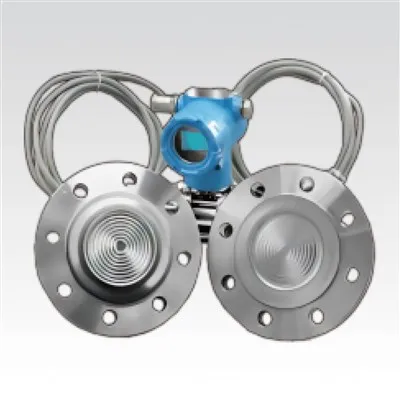
We provide differential pressure transmitters with coplanar and d/p cell designs. These transmitters can have a calibrated range from 0.5 inH2O to 2000 psi (1,2 mbar to 276 bar). They can be provided with HART and Foundation Fieldbus protocol. The coplanar designs allows the transmitters to be integrated with different types of manifolds, primary elements, and diaphragm seals.
How to Choose a Pressure Transmitter
Here are three important things to consider when selecting a pressure transmitter.
Accuracy
Accuracy refers to how closely the transmitter's output matches the actual pressure being measured. This is typically expressed as a percentage of the full-scale range of the transmitter.
For example, a transmitter with a full-scale range of 100 psi and an accuracy of ±0.5% would have an accuracy of ±0.5 psi.
Pressure Range
Range refers to the minimum and maximum pressure that the transmitter is capable of measuring.
The range is typically expressed in units of pressure, such as psi, bar, or kPa.
It is important to choose a transmitter with a range that is appropriate for the application, since a transmitter with too small a range may not be able to measure the required pressure, while a transmitter with too large a range may not be as accurate.
Stability
The stability of a pressure transmitter refers to how well it maintains its accuracy over time.
This is important in applications where the pressure being measured may change slowly over time, such as in a chemical process. Stability is typically expressed as a percentage of the full-scale range per year.
For example, a transmitter with a full-scale range of 100 psi and a stability of ±0.1% per year would have a stability of ±0.1 psi per year.
Monitoring process flow in equipment: Because pressure sensors are suitable for liquid or gas pressure monitoring, they are useful for a vast array of industrial and manufacturing equipment monitoring. If pressure drops, increases or fluctuations are detected in the flow of any type of liquid or gas in manufacturing equipment, it can be an indication that processes are not occurring to spec, and further maintenance may be required.
Hydraulic and pneumatic systems: Hydraulic and pneumatic systems are a key component of numerous pieces of manufacturing equipment and processes. When pressure sensors are used to detect aberrant increases or decreases in fluid or air transmission, they can identify potential leaks, blockages and other scenarios that will create inefficient operation, potential equipment damage and eventual unplanned shutdown.

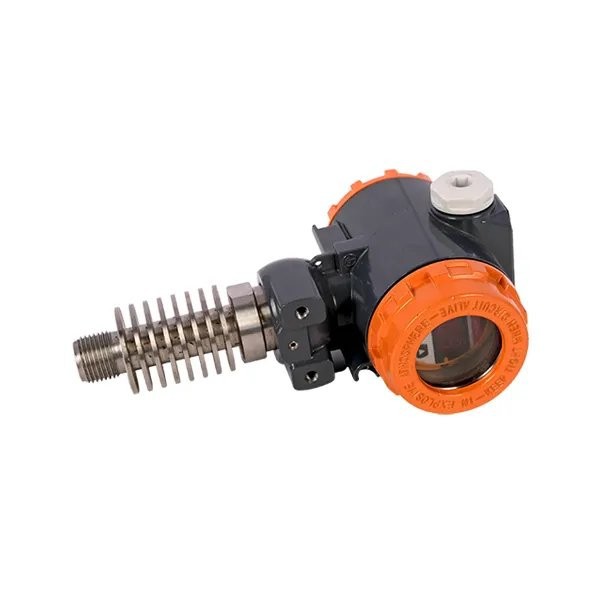
Vacuum technology: Frequently used in composite molding production, flight instrument manufacturing and other industrial processes, vacuum technology is a key process in manufacturing. Pressure sensors can help to ensure that a true vacuum is maintained in these scenarios and can help to identify potential issues early enough to reduce potential part discards or rework.
Monitoring tank liquid levels: Reliable fluid and gas storage are critical to ensure uninterrupted manufacturing processes, and pressure sensors are often used to detect potential leaks or other changes to tank storage environments. Early leak detection can reduce material loss, prevent equipment damage, and attenuate health and safety risks.
Environmental applications: Pressure sensors are often used to measure facility emissions and can alert technicians if these levels exceed acceptable standards, helping to prevent potential violations and fines while keeping the facility in compliance with environmental regulations.
Tools and equipment required for pressure transmitter calibration
To perform pressure transmitter calibration, several tools and equipment are necessary. Here is a list of the essential items:
Pressure source: A reliable pressure source capable of generating the desired pressure range with sufficient accuracy.
Reference standard: A calibrated reference standard that provides accurate pressure values for comparison.
Multimeter: A digital multimeter capable of measuring voltage and current for verifying the output signal of the pressure transmitter.
Calibration software: Optional software for automated data acquisition, analysis, and documentation of the calibration process.
Connecting cables: Suitable cables for connecting the pressure transmitter to the pressure source and other measurement devices.
Sealing materials: Various sealing materials, such as Teflon tape or sealant, to ensure leak-free connections.
Calibration certificates: Calibration certificates for the reference standard and any other equipment used in the calibration process.
Step-by-step guide to pressure transmitter calibration
Gather necessary equipment: Start by gathering all the tools and equipment required for the calibration process. This may include a pressure source, a reference standard, a multimeter, a calibration software, and appropriate connecting cables.
Prepare the pressure source: Set up the pressure source according to the specifications of the pressure transmitter. Ensure that the pressure source is capable of generating the desired pressure range with sufficient accuracy.
Connect the pressure transmitter: Connect the pressure transmitter to the pressure source using suitable connecting cables. Ensure that the connections are secure and free from any leaks.
Configure the calibration software: If using calibration software, configure it to communicate with the pressure transmitter and record the calibration data. Follow the software instructions for setting up the calibration parameters, such as pressure range and measurement intervals.
Perform zero calibration: Start the calibration process by performing a zero calibration. This involves applying zero pressure to the transmitter and adjusting the zero point to eliminate any offset or bias.
Perform span calibration: After the zero calibration, apply a known pressure to the transmitter within its operating range. Record the output signal and compare it with the expected value. Adjust the span calibration to minimize any errors and ensure accurate readings throughout the pressure range.
Verify calibration: Once the calibration process is complete, verify the accuracy of the pressure transmitter by applying different pressures and comparing the measured values with the expected values. This will help identify any remaining errors or drifts in the calibration.
Pressure Transmitter Accuracy
Full-Scale Accuracy (FS Accuracy): Full-scale accuracy represents the maximum allowable error as a percentage of the transmitter's full-scale range. For example, if a pressure transmitter has a full-scale range of 100 psi and an FS accuracy of ±1%, it means that the transmitter's output can deviate by up to 1% of 100 psi, or ±1 psi, from the true pressure value.
Span Accuracy: Span accuracy is a measure of the transmitter's accuracy over a specific portion of its full-scale range, typically between the lower range limit (LRL) and upper range limit (URL). It is expressed as a percentage of the span, not the full-scale range. For example, if a pressure transmitter has a range of 0-100 psi and a span accuracy of ±0.5%, it means that the transmitter's output can deviate by up to 0.5% of the span (100 psi - 0 psi = 100 psi), which is ±0.5 psi, within that range.
Zero Accuracy: Zero accuracy represents the maximum allowable error at the lowest end of the pressure range (typically the lower range limit, LRL). It is expressed as a percentage of the transmitter's full-scale range. For example, if a pressure transmitter has a range of 0-100 psi and a zero accuracy of ±0.2%, it means that the transmitter's output can deviate by up to ±0.2% of the full-scale range (0-100 psi) at zero pressure (0 psi).
Linearity Accuracy: Linearity accuracy assesses how closely the transmitter's output follows a straight line across its full-scale range. It is often expressed as a percentage of the full-scale range. A perfectly linear transmitter would have a linearity accuracy of 0%. If the transmitter has a linearity accuracy of ±0.2%, it means that the transmitter's output can deviate by up to ±0.2% of the full-scale range from a straight line across the entire range.
Hysteresis Accuracy: Hysteresis accuracy measures the difference in transmitter output when the pressure is applied in increasing and decreasing directions within the same pressure range. It is also expressed as a percentage of the full-scale range.
Repeatability Accuracy: Repeatability accuracy assesses the transmitter's ability to produce the same output when subjected to the same pressure multiple times under the same conditions. It is expressed as a percentage of the full-scale range.
Temperature Effects: Pressure transmitter accuracy can also be affected by temperature variations. Manufacturers typically specify how accuracy changes with temperature, including zero temperature coefficient and span temperature coefficient.
1. Learn about the operation and display of the instrument from the pressure transmitter manufacturer staff on duty, and clean up the sundries in the protection box in time.
2. Find and deal with loose wiring and fasteners in time, regularly clean the outside of the pressure transmitter, and carry out anti-corrosion on the pressure guiding pipe and root valve.
3. Check whether the indication of the pressure transmitter is consistent with that of the on-site pressure gauge and secondary gauge.
4. Ceck the pressure transmitter (including pressure guiding pipe and valve) for leakage, damage and corrosion.
5. If problems are found, they should be dealt with in time, and records of patrol inspections should be made.
6. Do a good job of waterproof and shockproof measures for the pressure transmitter.
7. In winter, take antifreeze and heat preservation measures for pressure transmitters, pressure guiding pipes, and related equipment to ensure accurate display.
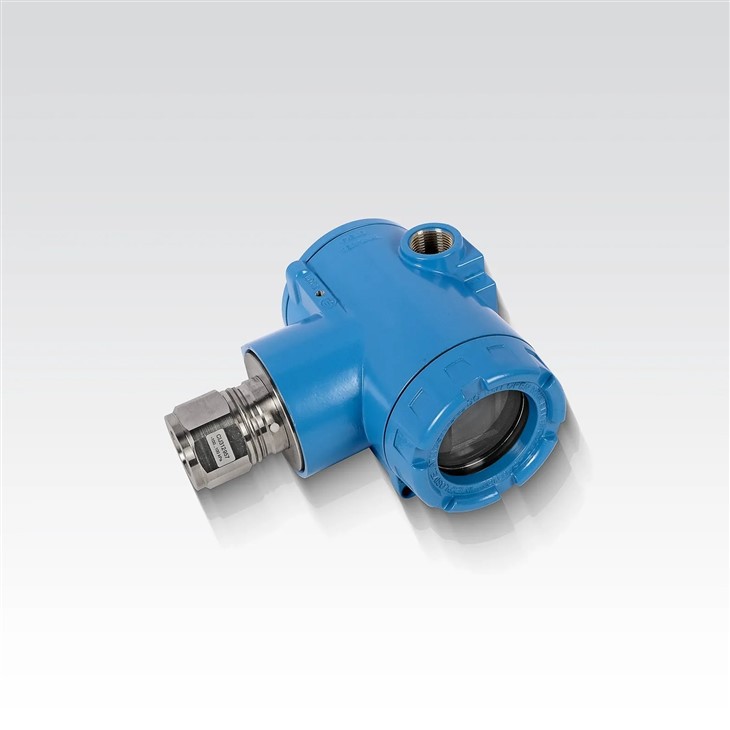
Safety Precautions for Pressure Transmitter
1. When disassembling, installing or adjusting the pressure transmitter with interlocking device, the interlocking device must be removed first to prevent accidents.
2. For pressure transmitters installed in toxic and harmful places, the harmful and toxic substances must be completely removed before maintenance, or the instrument must be removed and transported to a safe area for maintenance.
3. When overhauling pressure transmitters used for oxygen and other oil-free measuring media, be sure to keep the exhaust valve of the pressure transmitter free of oil.
4. The highly corrosive medium or the medium with overheated steam temperature should not be in direct contact with the pressure transmitter, and isolation measures should be added.
5. Prevent slag and other fine particles from settling in the pressure guiding tube and blocking the pipeline.
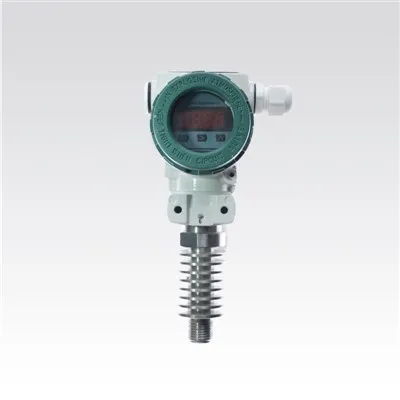
6. When measuring steam or other high-temperature media, the working temperature of the pressure transmitter should not exceed 85°C. If it exceeds 85°C, a condensation ring must be installed, and the condensation ring must be filled with condensed water to prevent the pressure transmitter from contacting the steam. direct contact. A condensation tank can be added if necessary.
FAQ
Q: What is a pressure transmitter, and why is its maintenance important?
Q: How often should I calibrate my pressure transmitter?
Q: What are the signs that my pressure transmitter needs maintenance?
Q: Can I calibrate a pressure transmitter myself, or should I hire a professional?
Q: How do I clean the pressure port of a transmitter?
Q: What is the importance of zero and span adjustments during calibration?
Q: What are the common causes of pressure transmitter drift?
Q: Can I use a pressure transmitter beyond its specified temperature and pressure limits?
Q: Are digital and smart pressure transmitters more accurate than analog ones?
Q: How can I determine if my pressure transmitter is compatible with my process fluid or medium?
Q: Can pressure transmitters be repaired, or should I replace them when they malfunction?
Q: Should I perform maintenance on a pressure transmitter while the process is running?
Q: Are there any advanced diagnostic features in smart pressure transmitters for maintenance purposes?
Q: What role does documentation play in pressure transmitter maintenance?
Q: Can pressure transmitter accuracy be improved through maintenance and calibration?
Q: What is the use of pressure transmitter in industry?
Q: What is industrial pressure sensor?
Q: What is the difference between pressure sensor and pressure transmitter?
Q: What is the pressure range of a pressure transmitter?
Q: Is a pressure transmitter analog or digital?
As one of the most professional industrial pressure transmitters manufacturers and suppliers in China, we're featured by quality products and low price. Welcome to wholesale the best selling industrial pressure transmitters for sale here from our factory. Contact us for customized service.
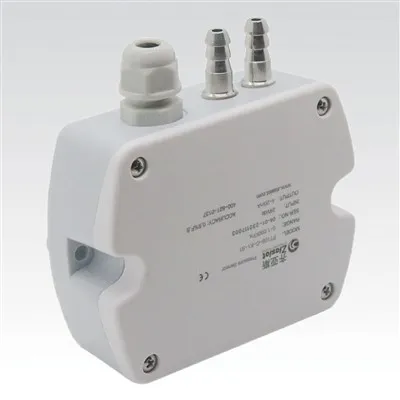
Air Hvac Micro Differential Pressure Transmitter, Melt Temperature Sensor