
What are the environmental factors that affect pressure gauge performance?
Leave a message

Hey there! As a supplier of Pressure Gauges, I've seen firsthand how environmental factors can have a real impact on gauge performance. In this blog, I'm gonna break down some of the key environmental elements that you need to keep an eye on when it comes to your pressure gauges.
Temperature
One of the most significant environmental factors affecting pressure gauge performance is temperature. You see, different materials expand and contract at different rates when the temperature changes. Most pressure gauges have internal components made of metals like brass or stainless steel. When the temperature rises, these metals expand. This expansion can cause the internal mechanisms of the gauge to shift, leading to inaccurate readings.
For example, in a Mechanical Presssure Gauge, the Bourdon tube, which is a key component for measuring pressure, can change its shape slightly due to temperature - induced expansion. If the temperature is too high, the tube might expand more than expected, and the gauge could show a higher pressure reading than the actual pressure.
On the flip side, when the temperature drops, the metals contract. This contraction can make the internal parts fit too tightly, which might also lead to incorrect readings. In extreme cold, the fluid inside some gauges could even thicken or freeze, rendering the gauge completely useless.
High - temperature environments are particularly challenging. That's where High Temperature Mechanical Melt Presssure Gauges come in handy. These gauges are designed to withstand elevated temperatures without significant loss of accuracy. They use special materials and construction techniques to minimize the effects of thermal expansion.
Humidity
Humidity is another factor that you can't ignore. High humidity levels mean there's a lot of moisture in the air. If this moisture gets inside the pressure gauge, it can cause all sorts of problems.


Moisture can corrode the internal metal components of the gauge. For instance, the springs and gears in a mechanical gauge can start to rust when exposed to moisture over time. Rust weakens these parts, which can lead to inaccurate readings or even complete failure of the gauge.
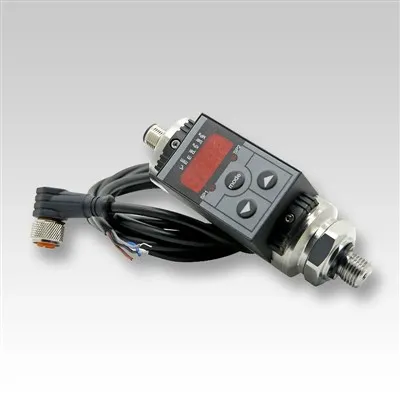
In digital pressure gauges, like Digital Melt Presssure Gauges, moisture can also damage the electronic components. Water can short - circuit the circuit boards, causing the gauge to malfunction or display incorrect information.
To protect against humidity, some gauges are designed with sealed enclosures. These enclosures prevent moisture from getting inside the gauge, ensuring reliable performance even in humid conditions.
Vibration
Vibration is a common issue in many industrial settings. Machines and equipment often produce vibrations that can affect the performance of pressure gauges.
When a pressure gauge is exposed to constant vibration, the internal components can become loose. In a mechanical gauge, the screws and fasteners that hold the parts together can gradually come undone. This can cause the gauge to give inconsistent readings as the internal mechanisms are no longer properly aligned.
In digital gauges, vibration can also damage the delicate electronic components. The solder joints on the circuit boards can break, leading to connectivity issues and inaccurate readings.
To deal with vibration, some pressure gauges are equipped with shock - absorbing mounts or damping mechanisms. These features help to reduce the impact of vibrations on the gauge, ensuring that it continues to function accurately.
Chemical Exposure
In many industrial processes, pressure gauges can be exposed to various chemicals. These chemicals can have a corrosive effect on the gauge's components.
Acids and alkalis, for example, can eat away at the metal parts of a gauge. If the gauge is made of brass, which is commonly used in some mechanical gauges, exposure to certain acids can cause the brass to deteriorate. This not only affects the appearance of the gauge but also its functionality.
Some chemicals can also react with the lubricants used in the gauge's moving parts. This can cause the lubricants to break down, leading to increased friction and wear on the components.
To resist chemical exposure, pressure gauges can be made from more chemically resistant materials, such as stainless steel or special plastics. Additionally, some gauges are coated with protective layers to prevent direct contact between the chemicals and the internal components.
Altitude
Altitude can also have an impact on pressure gauge performance. As you go to higher altitudes, the atmospheric pressure decreases. This change in atmospheric pressure can affect the calibration of pressure gauges.
Most pressure gauges are calibrated at a specific atmospheric pressure, usually at sea level. When used at higher altitudes, the difference in atmospheric pressure can cause the gauge to show a different reading than the actual pressure in the system.
For example, a gauge that measures the pressure of a gas in a closed container might show a lower pressure at high altitudes because the external atmospheric pressure is lower. To account for altitude changes, some pressure gauges can be recalibrated to ensure accurate readings at different elevations.
Dust and Particles
In dusty or dirty environments, dust and particles can get inside the pressure gauge. These particles can clog the small openings and passages in the gauge, preventing the proper flow of pressure.
In a mechanical gauge, dust can accumulate on the moving parts, such as the gears and springs. This can increase friction and make the gauge less responsive. In digital gauges, dust can also settle on the sensors, affecting their ability to accurately measure pressure.
To protect against dust and particles, some gauges are equipped with filters or dust - proof enclosures. These features help to keep the internal components clean and ensure reliable performance.
Magnetic Fields
Magnetic fields can interfere with the operation of pressure gauges, especially digital ones. Digital gauges rely on electronic sensors and circuits to measure and display pressure. Magnetic fields can induce electrical currents in these components, which can lead to inaccurate readings.
In industrial settings, there are often sources of magnetic fields, such as large motors, transformers, and generators. If a pressure gauge is placed too close to these sources, the magnetic fields can disrupt its normal operation.
To minimize the effects of magnetic fields, some pressure gauges are shielded. The shielding materials prevent the magnetic fields from reaching the internal components of the gauge, ensuring accurate readings.
Conclusion
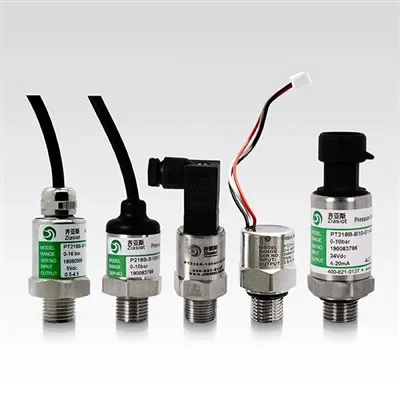
As you can see, there are many environmental factors that can affect the performance of pressure gauges. From temperature and humidity to vibration and chemical exposure, each factor presents its own challenges. But don't worry! At our company, we've got a wide range of pressure gauges designed to handle these environmental challenges. Whether you need a Digital Melt Presssure Gauges for high - tech applications or a Mechanical Presssure Gauge for more traditional setups, we've got you covered.
If you're in the market for reliable pressure gauges that can stand up to your specific environmental conditions, don't hesitate to reach out. We're here to help you find the perfect solution for your needs. Let's have a chat and see how we can work together to ensure your pressure measurement systems are accurate and reliable.
References
- ASME B40.100 - 2013, Pressure Gauges and Gauge Attachments.
- ISO 22819:2019, Petroleum and related products — Determination of water content in aviation turbine fuel — Coulometric Karl Fischer titration method.
- ASTM D664 - 18, Standard Test Method for Acid Number of Petroleum Products by Potentiometric Titration.