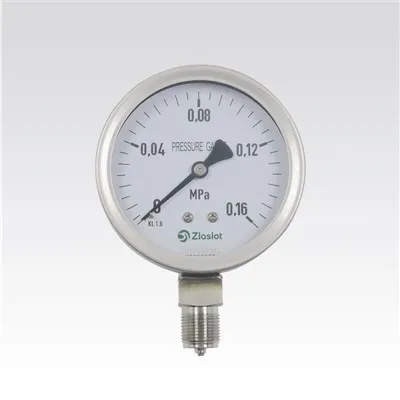
Can MEMS pressure transmitters be used in water treatment plants?
Leave a message

Hey there! As a supplier of MEMS pressure transmitters, I often get asked whether these nifty devices can be used in water treatment plants. Well, let's dive right into it and find out.
First off, let's talk a bit about what MEMS pressure transmitters are. MEMS stands for Micro-Electro-Mechanical Systems. These transmitters are super small, yet they pack a powerful punch. They work by converting pressure into an electrical signal that can be easily measured and monitored. They're used in a whole bunch of industries, from automotive to aerospace, so it's natural to wonder if they've got a place in water treatment plants.
Now, water treatment plants have a pretty complex job. They've got to clean and purify water, making sure it's safe for us to drink or use in industrial processes. There are several key stages in the water treatment process, and pressure plays a crucial role in each of them.
One of the initial steps in water treatment is the intake of water from a source like a river or a reservoir. Here, MEMS pressure transmitters can be used to monitor the pressure of the incoming water. If the pressure is too low, it might indicate a problem with the intake pipes or the pumps. On the other hand, if the pressure is too high, it could lead to damage to the pipes or other equipment. By using MEMS pressure transmitters, operators can keep a close eye on the pressure and take action if anything goes wrong.
After the water is taken in, it goes through a series of filtration and purification processes. In these stages, MEMS pressure transmitters can be used to monitor the pressure across the filters. As the filters get clogged with debris, the pressure drop across them increases. By measuring this pressure drop, operators can determine when it's time to clean or replace the filters. This helps to ensure that the water treatment process runs smoothly and efficiently.
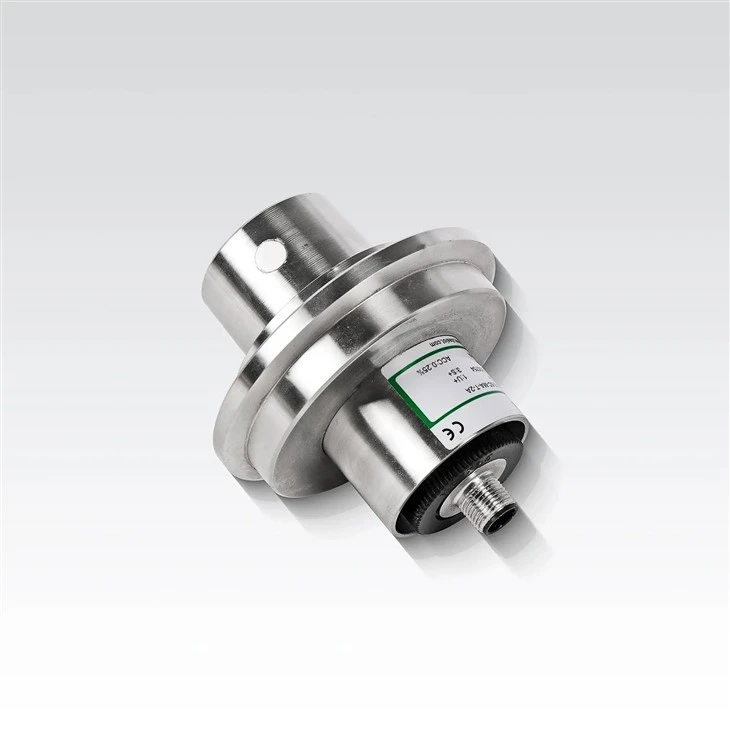

Another important aspect of water treatment is the disinfection stage. Chlorine or other disinfectants are added to the water to kill any harmful bacteria or viruses. MEMS pressure transmitters can be used to monitor the pressure in the pipes where the disinfectants are added. This ensures that the disinfectants are being added at the correct pressure and flow rate, which is crucial for effective disinfection.
Now, let's talk about some of the advantages of using MEMS pressure transmitters in water treatment plants. One of the biggest advantages is their small size. Unlike traditional pressure transmitters, MEMS pressure transmitters are tiny, which means they can be easily installed in tight spaces. This is especially useful in water treatment plants, where space is often limited.
Another advantage is their high accuracy. MEMS pressure transmitters can measure pressure with a high degree of precision, which is essential for ensuring the proper operation of the water treatment process. They're also very reliable, which means they can operate continuously for long periods of time without needing much maintenance.
In addition, MEMS pressure transmitters are relatively inexpensive compared to other types of pressure transmitters. This makes them a cost-effective solution for water treatment plants, especially those on a tight budget.
But it's not all sunshine and rainbows. There are also some challenges associated with using MEMS pressure transmitters in water treatment plants. One of the main challenges is the harsh environment. Water treatment plants can be a pretty tough place, with high humidity, chemicals, and temperature variations. These conditions can cause damage to the MEMS pressure transmitters over time, reducing their accuracy and reliability.
To overcome this challenge, it's important to choose MEMS pressure transmitters that are designed to withstand harsh environments. Look for transmitters that are made from materials that are resistant to corrosion and chemicals. It's also a good idea to install the transmitters in protective enclosures to shield them from the elements.
Another challenge is the need for calibration. MEMS pressure transmitters need to be calibrated regularly to ensure their accuracy. This can be a time-consuming and expensive process, especially for large water treatment plants with multiple transmitters.
To make calibration easier, some MEMS pressure transmitters come with built-in calibration features. These features allow operators to calibrate the transmitters quickly and easily, without the need for specialized equipment.
So, can MEMS pressure transmitters be used in water treatment plants? The answer is a resounding yes! They offer a number of advantages, including small size, high accuracy, reliability, and cost-effectiveness. However, they also come with some challenges, such as the harsh environment and the need for calibration. By choosing the right transmitters and taking the necessary precautions, water treatment plants can benefit greatly from the use of MEMS pressure transmitters.
If you're interested in learning more about MEMS pressure transmitters for water treatment plants, or if you're looking for a reliable supplier, don't hesitate to get in touch. We've got a wide range of MEMS pressure transmitters to suit your needs, including the MEMS Pressure Sensor for Shield Tunneling Machine. Our team of experts is always on hand to answer your questions and help you find the right solution for your water treatment plant.
Let's work together to ensure the smooth and efficient operation of your water treatment process. Contact us today to start the conversation!
References
- Various industry reports on water treatment technology and pressure measurement devices.
- Manufacturer's specifications for MEMS pressure transmitters.