How to optimize the performance of a ceramic pressure transmitter?
Leave a message

Hey there! As a supplier of Ceramic Pressure Transmitters, I've seen firsthand how crucial it is for these devices to perform at their best. Whether you're using them in industrial settings, HVAC systems, or other applications, optimizing the performance of a ceramic pressure transmitter can save you time, money, and headaches. In this blog post, I'm gonna share some tips and tricks on how to do just that.
Understanding the Basics of Ceramic Pressure Transmitters
Before we dive into the optimization process, let's quickly go over what ceramic pressure transmitters are and how they work. These transmitters use a ceramic sensing element to measure pressure. The ceramic diaphragm deforms under pressure, and this deformation is converted into an electrical signal that can be read and interpreted.
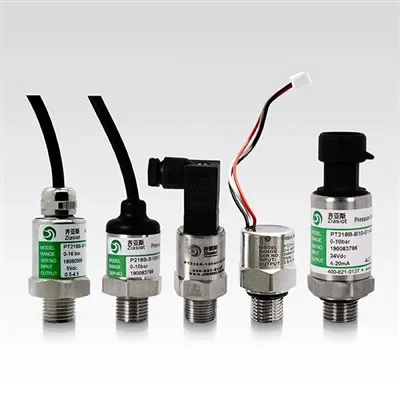
There are different types of ceramic pressure transmitters available, such as the Refrigeration Pressure Transmitter, Standard Ceramic Pressure Transmitter, and Anti-Crossive Pressure Transmitter. Each type is designed for specific applications, so it's important to choose the right one for your needs.
Installation and Mounting
The first step in optimizing the performance of a ceramic pressure transmitter is to ensure proper installation and mounting. Here are some key points to keep in mind:
- Location: Choose a location that is free from vibrations, excessive heat, and moisture. Vibration can cause the diaphragm to vibrate and affect the accuracy of the measurement. Heat can cause thermal expansion, which can also lead to inaccurate readings. Moisture can damage the electronics inside the transmitter.
- Mounting Orientation: Make sure the transmitter is mounted in the correct orientation. Most ceramic pressure transmitters are designed to be mounted vertically, but some can be mounted horizontally. Check the manufacturer's instructions for the correct mounting orientation.
- Piping Connections: Use the correct piping connections to ensure a leak-free installation. Make sure the pipes are clean and free from debris before connecting them to the transmitter. Use appropriate seals and gaskets to prevent leaks.
Calibration
Calibration is an essential part of optimizing the performance of a ceramic pressure transmitter. Over time, the transmitter may drift out of calibration, which can lead to inaccurate readings. Here's how you can calibrate your transmitter:
- Frequency: The frequency of calibration depends on the application and the environment in which the transmitter is used. In general, it's recommended to calibrate the transmitter at least once a year. However, if the transmitter is used in a harsh environment or for critical applications, more frequent calibration may be required.
- Calibration Equipment: Use a calibrated pressure source and a reference standard to calibrate the transmitter. The pressure source should be capable of providing a stable and accurate pressure signal. The reference standard should be traceable to a national or international standard.
- Calibration Procedure: Follow the manufacturer's instructions for the calibration procedure. In general, the procedure involves applying a known pressure to the transmitter and adjusting the output signal to match the known pressure. Repeat the process for several different pressures to ensure accuracy across the entire range of the transmitter.
Maintenance
Regular maintenance is key to keeping your ceramic pressure transmitter in top condition. Here are some maintenance tips:


- Cleaning: Keep the transmitter clean and free from dirt, dust, and debris. Use a soft brush or a compressed air gun to clean the exterior of the transmitter. Avoid using harsh chemicals or abrasive materials that could damage the transmitter.
- Inspection: Regularly inspect the transmitter for any signs of damage or wear. Check the wiring, connections, and seals for any loose or damaged parts. If you notice any problems, replace the damaged parts immediately.
- Environmental Protection: Protect the transmitter from harsh environmental conditions. If the transmitter is used in a corrosive environment, consider using a protective coating or enclosure. If the transmitter is exposed to high temperatures or humidity, use a heat shield or a dehumidifier.
Signal Conditioning
Signal conditioning is another important aspect of optimizing the performance of a ceramic pressure transmitter. The output signal from the transmitter may need to be conditioned to improve its accuracy and reliability. Here are some signal conditioning techniques:
- Amplification: If the output signal from the transmitter is too weak, you may need to amplify it. Use an amplifier to increase the signal strength without introducing noise or distortion.
- Filtering: The output signal from the transmitter may contain noise or interference. Use a filter to remove the unwanted noise and interference. There are different types of filters available, such as low-pass filters, high-pass filters, and band-pass filters.
- Linearization: The output signal from the transmitter may not be linear over the entire range of the pressure measurement. Use a linearization circuit to correct the non-linearity and ensure accurate readings.
Software and Configuration
Many modern ceramic pressure transmitters come with software that allows you to configure and customize the transmitter's settings. Here are some software and configuration tips:
- Configuration: Use the software to configure the transmitter's settings, such as the pressure range, output signal type, and calibration parameters. Make sure the settings are correct for your application.
- Diagnostics: The software may also provide diagnostic features that allow you to monitor the performance of the transmitter and detect any problems. Use these features to identify and troubleshoot any issues.
- Firmware Updates: Check for firmware updates regularly and install them as needed. Firmware updates can improve the performance and functionality of the transmitter.
Conclusion
Optimizing the performance of a ceramic pressure transmitter requires a combination of proper installation, calibration, maintenance, signal conditioning, and software configuration. By following these tips and tricks, you can ensure that your transmitter provides accurate and reliable pressure measurements for years to come.
If you're in the market for a ceramic pressure transmitter or need help optimizing the performance of your existing transmitter, don't hesitate to reach out. We're here to help you find the right solution for your needs and ensure that your transmitter performs at its best.
References
- Manufacturer's documentation for ceramic pressure transmitters
- Industry standards and best practices for pressure measurement