How to ensure the long - term accuracy of melt pressure gauges?
Leave a message

Ensuring the long - term accuracy of melt pressure gauges is crucial for various industrial applications, especially in processes where precise pressure measurement is essential for product quality and process safety. As a supplier of melt pressure gauges, I understand the significance of maintaining accuracy over time. In this blog, I will share some key strategies and practices to help you achieve long - term accuracy with your melt pressure gauges.
Understanding the Basics of Melt Pressure Gauges
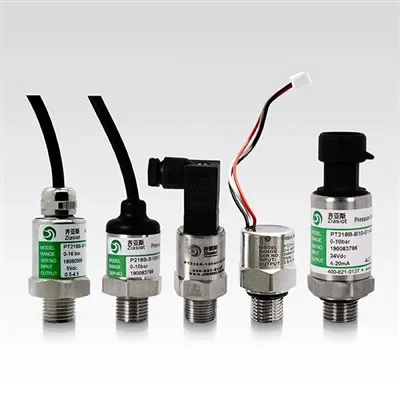
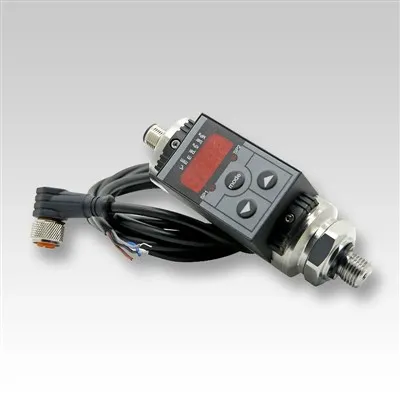
Before delving into the methods of ensuring long - term accuracy, it's important to have a basic understanding of melt pressure gauges. These gauges are designed to measure the pressure of molten materials, such as plastics, rubber, and metals, in industrial processes like injection molding, extrusion, and blow molding. There are different types of melt pressure gauges available, including High Temperature Mechanical Melt Presssure Gauges and Digital Melt Presssure Gauges. Each type has its own advantages and applications, but the common goal is to provide accurate and reliable pressure measurements.
Selecting the Right Melt Pressure Gauge
The first step in ensuring long - term accuracy is to select the right melt pressure gauge for your specific application. Consider the following factors when making your selection:
Pressure Range
Choose a gauge with a pressure range that is suitable for your process. Using a gauge with a range that is too high or too low can lead to inaccurate readings. For example, if your process typically operates at pressures between 500 and 1000 psi, a gauge with a range of 0 - 1500 psi would be a good choice.
Temperature Resistance
Melt pressure gauges are often exposed to high temperatures. Make sure the gauge you select can withstand the operating temperature of your process. High Temperature Mechanical Melt Presssure Gauges are specifically designed to handle high - temperature environments and can provide accurate readings even under extreme heat.
Accuracy Class
The accuracy class of a gauge indicates the maximum allowable error in its measurements. Select a gauge with an accuracy class that meets the requirements of your application. For critical processes, a gauge with a higher accuracy class may be necessary.
Proper Installation
Proper installation of the melt pressure gauge is essential for accurate and long - term performance. Follow these installation guidelines:
Location
Install the gauge in a location where it can accurately measure the pressure of the molten material. Avoid areas with excessive vibration, turbulence, or heat sources that could affect the gauge's performance.
Mounting
Use the appropriate mounting hardware and ensure that the gauge is securely mounted. Improper mounting can cause the gauge to vibrate or move, leading to inaccurate readings.
Connection
Make sure the gauge is properly connected to the process. Use the correct fittings and ensure a tight seal to prevent any leaks that could affect the pressure measurement.
Regular Calibration
Calibration is one of the most important steps in ensuring the long - term accuracy of melt pressure gauges. Regular calibration helps to identify and correct any errors in the gauge's measurements. Here are some tips for calibration:


Frequency
The calibration frequency depends on the application and the manufacturer's recommendations. In general, it is recommended to calibrate melt pressure gauges at least once a year. However, for critical processes or gauges that are exposed to harsh conditions, more frequent calibration may be necessary.
Calibration Standards
Use traceable calibration standards to ensure the accuracy of the calibration. These standards are calibrated against national or international standards and provide a reliable reference for the gauge's measurements.
Professional Calibration
Consider having your melt pressure gauges calibrated by a professional calibration service. They have the expertise and equipment to perform accurate calibrations and can provide a calibration certificate to document the results.
Maintenance and Care
Proper maintenance and care of the melt pressure gauge can significantly extend its lifespan and ensure long - term accuracy. Here are some maintenance tips:
Cleaning
Regularly clean the gauge to remove any dirt, debris, or molten material that may accumulate on its surface. Use a clean, dry cloth or a mild cleaning solution recommended by the manufacturer.
Inspection
Periodically inspect the gauge for any signs of damage, such as cracks, leaks, or worn parts. Replace any damaged components immediately to prevent further damage and ensure accurate measurements.
Storage
If the gauge is not in use, store it in a clean, dry, and temperature - controlled environment. Protect it from extreme temperatures, humidity, and physical damage.
Monitoring and Trend Analysis
Monitoring the performance of the melt pressure gauge over time can help you detect any potential issues before they become serious problems. Use a data logging system to record the gauge's measurements at regular intervals. Analyze the data to identify any trends or patterns, such as gradual changes in the readings or sudden spikes.
If you notice any abnormal behavior in the gauge's performance, investigate the cause immediately. It could be due to a problem with the gauge itself, the installation, or the process. Taking prompt action can prevent costly downtime and ensure the continued accuracy of your pressure measurements.
Training and Education
Proper training and education of the personnel who operate and maintain the melt pressure gauges are essential for ensuring long - term accuracy. Make sure your staff is familiar with the correct installation, calibration, maintenance, and troubleshooting procedures for the gauges. Provide them with regular training updates to keep them informed of the latest best practices.
Conclusion
Ensuring the long - term accuracy of melt pressure gauges requires a combination of proper selection, installation, calibration, maintenance, monitoring, and training. By following the strategies and practices outlined in this blog, you can maximize the performance and lifespan of your melt pressure gauges and ensure accurate and reliable pressure measurements for your industrial processes.
If you are in the market for high - quality melt pressure gauges or need assistance with calibration, maintenance, or any other related services, we are here to help. Our team of experts can provide you with the right solutions for your specific needs. Contact us today to start a discussion about your requirements and explore how we can support your business.
References
- ISO 17025:2017, "General requirements for the competence of testing and calibration laboratories."
- ASTM E456 - 15, "Standard Terminology Relating to Quality and Statistics."
- Manufacturer's manuals and technical documentation for melt pressure gauges.