
What are the chemical compatibility requirements for flowmeters?
Leave a message

What are the chemical compatibility requirements for flowmeters?
In the industrial landscape, flowmeters are indispensable tools for measuring the flow rate of various fluids. As a flowmeter supplier, I understand that one of the most critical factors in the proper selection and operation of flowmeters is chemical compatibility. This blog post aims to delve into the chemical compatibility requirements for flowmeters, exploring why it matters, the key considerations, and how to ensure that your chosen flowmeter can withstand the chemical environment in which it will operate.
Why Chemical Compatibility Matters
Chemical compatibility is not just a technicality; it is a fundamental aspect that directly impacts the performance, reliability, and lifespan of flowmeters. When a flowmeter is exposed to chemicals that it is not compatible with, several issues can arise. Firstly, chemical corrosion can occur, leading to the degradation of the flowmeter's components. This can cause inaccurate flow measurements, as the internal structure of the flowmeter is compromised. For example, if the wetted parts of a flowmeter, such as the sensor or the housing, are corroded, it can affect the flow path and the way the flowmeter interacts with the fluid, resulting in incorrect readings.
Secondly, chemical incompatibility can lead to material swelling or embrittlement. Swelling can cause mechanical stress on the flowmeter, potentially leading to leaks or even complete failure. Embrittlement, on the other hand, makes the material more prone to cracking, which can also compromise the integrity of the flowmeter and its ability to function properly.
In addition to these technical issues, chemical incompatibility can also have safety implications. If a flowmeter fails due to chemical corrosion or other compatibility issues, it can lead to leaks of hazardous chemicals, posing a risk to workers, the environment, and the overall operation of the facility. Therefore, ensuring chemical compatibility is not only important for the proper functioning of the flowmeter but also for the safety and sustainability of the industrial processes in which it is used.
Key Considerations for Chemical Compatibility
When evaluating the chemical compatibility of flowmeters, several key factors need to be taken into account.
Fluid Composition
The first and most obvious factor is the composition of the fluid being measured. Different fluids have different chemical properties, and it is essential to understand the specific chemicals present in the fluid, their concentrations, and their reactivity. For example, acids, bases, solvents, and salts can all have different effects on flowmeter materials. Strong acids, such as sulfuric acid or hydrochloric acid, can be highly corrosive and require flowmeters made of materials that are resistant to acid attack, such as stainless steel or certain plastics.
Temperature and Pressure
The temperature and pressure of the fluid also play a significant role in chemical compatibility. Higher temperatures can accelerate chemical reactions, increasing the rate of corrosion and other forms of material degradation. Similarly, high pressures can also put additional stress on the flowmeter materials, making them more susceptible to failure. Therefore, it is important to consider the operating temperature and pressure range of the fluid when selecting a flowmeter and ensure that the chosen materials can withstand these conditions.
Flow Rate
The flow rate of the fluid can also affect chemical compatibility. High flow rates can cause erosion of the flowmeter materials, especially if the fluid contains abrasive particles. This is particularly important in applications such as mining or wastewater treatment, where the fluid may carry solid particles. In such cases, flowmeters with hard and wear-resistant materials may be required to ensure long-term performance.
Material Selection
Choosing the right materials for the flowmeter components is crucial for ensuring chemical compatibility. Different materials have different chemical resistance properties, and it is important to select materials that are suitable for the specific chemical environment. Some common materials used in flowmeters include stainless steel, carbon steel, aluminum, plastics (such as PVC, PTFE, and PP), and ceramics.
Stainless steel is a popular choice for many applications due to its good corrosion resistance, strength, and durability. It is commonly used in the construction of the housing, sensors, and other components of flowmeters. However, not all stainless steels are created equal, and the specific grade of stainless steel needs to be selected based on the chemical composition of the fluid. For example, 316 stainless steel is more resistant to corrosion by certain acids and salts than 304 stainless steel.
Plastics are another important group of materials used in flowmeters. They offer excellent chemical resistance, low cost, and ease of fabrication. PTFE (polytetrafluoroethylene), for example, is highly resistant to a wide range of chemicals, including strong acids, bases, and solvents. It is often used as a lining material for flowmeters to protect the underlying metal components from chemical attack.
Chemical Compatibility of Different Types of Flowmeters
Different types of flowmeters have different chemical compatibility requirements, depending on their design and the materials used in their construction.
Turbine Flow Meter
Turbine Flow Meter are based on the principle of using the kinetic energy of the fluid to rotate a turbine rotor. The rotation speed of the turbine is proportional to the flow rate of the fluid. Turbine flow meters typically have wetted parts made of materials such as stainless steel, aluminum, or plastics.
When selecting a turbine flow meter for a specific application, it is important to consider the chemical compatibility of the wetted parts with the fluid. For example, if the fluid is corrosive, a turbine flow meter with stainless steel or plastic wetted parts may be required. Additionally, the presence of abrasive particles in the fluid can cause wear on the turbine rotor, so a turbine flow meter with a hard and wear-resistant rotor material may be necessary.
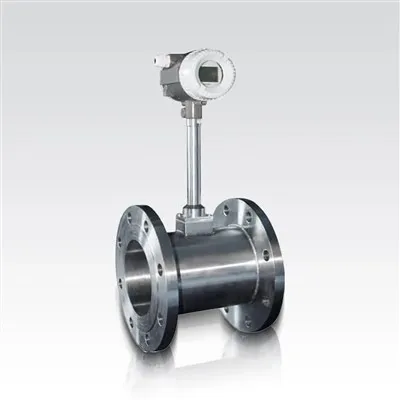
Vortex Flowmeter
Vortex Flowmeter operate on the principle of the von Kármán vortex street. When a fluid flows past a bluff body, vortices are shed alternately on either side of the bluff body, and the frequency of the vortex shedding is proportional to the flow rate of the fluid. Vortex flow meters typically have a bluff body and a sensor that are in contact with the fluid.
The chemical compatibility of vortex flow meters depends on the materials used for the bluff body and the sensor. Stainless steel is a common material for the bluff body due to its strength and corrosion resistance. The sensor may be protected by a coating or made of a material that is resistant to the specific chemicals in the fluid. For example, in applications where the fluid contains harsh chemicals, a sensor with a PTFE coating or made of a chemically resistant plastic may be used.
LDG Electromagnetic Flowmeter
LDG Electromagnetic Flowmeter work based on Faraday's law of electromagnetic induction. When a conductive fluid flows through a magnetic field, an electromotive force is induced, which is proportional to the flow rate of the fluid. LDG electromagnetic flow meters typically have a liner and electrodes that are in contact with the fluid.
The chemical compatibility of LDG electromagnetic flow meters is mainly determined by the liner material. The liner is used to insulate the electrodes from the fluid and protect the flow tube from corrosion. Common liner materials include PTFE, rubber, and PVC. The choice of liner material depends on the chemical composition of the fluid, as well as the temperature and pressure conditions. For example, PTFE liners are suitable for applications where the fluid is highly corrosive, while rubber liners may be used for less aggressive fluids.
Ensuring Chemical Compatibility
To ensure that your flowmeter is chemically compatible with the fluid it will measure, the following steps can be taken:
Conduct a Chemical Analysis
Before selecting a flowmeter, it is important to conduct a detailed chemical analysis of the fluid. This includes identifying the specific chemicals present in the fluid, their concentrations, and their reactivity. This information can be obtained through laboratory testing or by consulting the fluid supplier.


Consult with the Flowmeter Manufacturer
The flowmeter manufacturer is a valuable source of information when it comes to chemical compatibility. They have extensive knowledge and experience in selecting the right materials for different applications and can provide guidance on the most suitable flowmeter for your specific chemical environment. Be sure to provide the manufacturer with detailed information about the fluid, including its composition, temperature, pressure, and flow rate.
Perform a Compatibility Test
In some cases, it may be necessary to perform a compatibility test to verify the chemical compatibility of the flowmeter with the fluid. This can involve exposing a sample of the flowmeter material to the fluid under the expected operating conditions and monitoring for any signs of corrosion, swelling, or other forms of degradation over a period of time.
Conclusion
As a flowmeter supplier, I understand the importance of chemical compatibility in ensuring the proper performance and reliability of flowmeters. By carefully considering the fluid composition, temperature, pressure, flow rate, and material selection, and by following the steps outlined above to ensure chemical compatibility, you can select the right flowmeter for your specific application and avoid costly downtime and maintenance issues.
If you are in the market for a flowmeter and need assistance with chemical compatibility or other technical questions, please feel free to reach out for a procurement discussion. We are here to help you find the best flowmeter solution for your needs.
References
- "Flow Measurement Handbook: Industrial Designs and Applications". Richard W. Miller
- "Instrumentation and Control Systems". Anthony B. Cooper