How do I troubleshoot a malfunctioning pressure gauge?
Leave a message

As a seasoned supplier of pressure gauges, I've encountered a wide range of issues with these essential instruments over the years. Pressure gauges are crucial in various industries, from manufacturing and oil and gas to food and beverage, as they provide vital information about the pressure within a system. When a pressure gauge malfunctions, it can lead to inaccurate readings, which may result in operational inefficiencies, safety hazards, and even equipment damage. In this blog post, I'll share some practical steps on how to troubleshoot a malfunctioning pressure gauge.
Step 1: Visual Inspection
The first step in troubleshooting a pressure gauge is to conduct a thorough visual inspection. Start by checking the gauge's exterior for any signs of physical damage, such as cracks, dents, or scratches. These damages can affect the gauge's accuracy and functionality. Look for loose or damaged connections between the gauge and the system it's measuring. A loose connection can cause pressure leaks, leading to inaccurate readings.
Examine the gauge face for any signs of condensation or moisture. Moisture can damage the internal components of the gauge and cause corrosion, which can affect its performance. If you notice any moisture inside the gauge, it may be necessary to replace the gauge or have it repaired.
Step 2: Check the Pressure Source
If the visual inspection doesn't reveal any obvious issues, the next step is to check the pressure source. Ensure that the pressure in the system is within the gauge's rated range. If the pressure exceeds the gauge's maximum rating, it can cause the gauge to malfunction or even fail. Refer to the gauge's specifications to determine its rated pressure range.
Check for any blockages or restrictions in the pressure line leading to the gauge. A blockage can prevent the pressure from reaching the gauge accurately, resulting in incorrect readings. Inspect the pressure line for any kinks, bends, or debris that may be obstructing the flow of pressure. If you find a blockage, clear it and check the gauge again.
Step 3: Verify the Calibration
A common cause of inaccurate pressure gauge readings is improper calibration. Over time, pressure gauges can lose their accuracy due to factors such as wear and tear, temperature changes, and vibration. To verify the calibration of the gauge, you can use a calibration device or compare it to a known accurate gauge.
If you don't have a calibration device, you can take the gauge to a professional calibration service. They will be able to calibrate the gauge to ensure that it provides accurate readings. Regular calibration is essential to maintain the reliability of your pressure gauges.
Step 4: Inspect the Internal Components
If the gauge still isn't functioning correctly after checking the pressure source and verifying the calibration, it may be necessary to inspect the internal components. However, this step should only be performed by a qualified technician, as opening the gauge can void the warranty and may be dangerous.
The technician will carefully disassemble the gauge and inspect the internal components for any signs of damage or wear. They will check the bourdon tube, which is the primary sensing element in most pressure gauges, for any cracks, leaks, or deformation. The technician will also inspect the gears, springs, and other mechanical components for any signs of damage or misalignment.
Step 5: Consider Environmental Factors
Environmental factors can also affect the performance of pressure gauges. Extreme temperatures, humidity, and vibration can all cause the gauge to malfunction. If the gauge is exposed to harsh environmental conditions, it may be necessary to use a gauge that is specifically designed for those conditions.
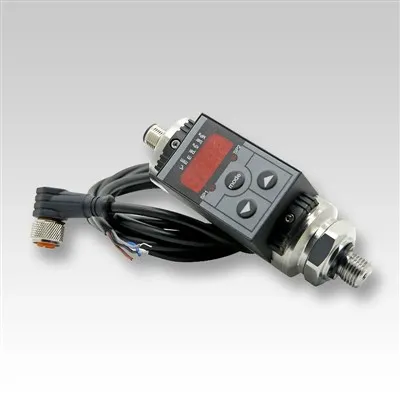
For high-temperature applications, consider using High Temperature Mechanical Melt Presssure Gauges. These gauges are designed to withstand high temperatures and provide accurate readings in extreme conditions. For applications that require digital readouts, Digital Melt Presssure Gauges may be a better option. They offer greater accuracy and precision than mechanical gauges.
If the gauge is exposed to vibration, it may be necessary to use a Mechanical Presssure Gauge with a shock-resistant design. These gauges are designed to withstand vibration and provide reliable readings in harsh environments.


Step 6: Replace the Gauge
If all else fails and the gauge still isn't functioning correctly, it may be necessary to replace the gauge. When selecting a new gauge, consider the application requirements, such as the pressure range, accuracy, and environmental conditions. Choose a gauge from a reputable manufacturer to ensure its quality and reliability.
Conclusion
Troubleshooting a malfunctioning pressure gauge requires a systematic approach. By following these steps, you can identify and resolve most common issues with pressure gauges. Remember to always follow the manufacturer's instructions and safety guidelines when working with pressure gauges.
If you're experiencing problems with your pressure gauges or need assistance in selecting the right gauge for your application, don't hesitate to contact us. As a leading supplier of pressure gauges, we have the expertise and experience to help you find the best solution for your needs. We offer a wide range of pressure gauges, including High Temperature Mechanical Melt Presssure Gauges, Digital Melt Presssure Gauges, and Mechanical Presssure Gauge. Contact us today to discuss your requirements and explore our product offerings.
References
- Pressure Gauge Handbook, Manufacturer's Manual
- Industrial Instrumentation and Control Handbook, Third Edition