
What are the differences in using a digital pressure gauge in hydraulic and pneumatic systems?
Leave a message

Hey there! As a supplier of digital pressure gauges, I've had my fair share of experience with these nifty devices in both hydraulic and pneumatic systems. Today, I'm gonna break down the differences between using a digital pressure gauge in these two types of systems.


First off, let's talk about what hydraulic and pneumatic systems are. Hydraulic systems use a liquid, usually oil, to transmit power. They're known for their high force capabilities and are commonly found in heavy machinery like construction equipment, forklifts, and airplane landing gear. On the other hand, pneumatic systems use compressed air to transfer power. They're often used in lighter applications such as automation systems, dental tools, and some types of manufacturing equipment.
Pressure Range
One of the most significant differences between using a digital pressure gauge in hydraulic and pneumatic systems is the pressure range. Hydraulic systems typically operate at much higher pressures than pneumatic systems. Hydraulic pressures can range from a few hundred psi (pounds per square inch) to several thousand psi. For example, a typical hydraulic press might operate at pressures around 3000 - 5000 psi.
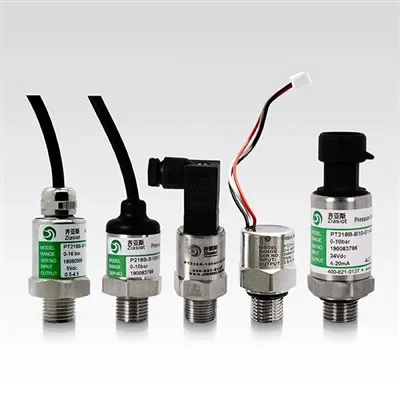
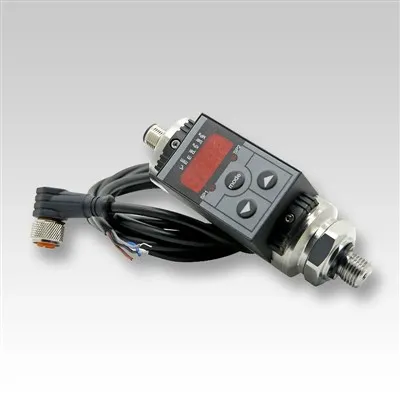
In contrast, pneumatic systems usually operate at much lower pressures, typically between 30 - 150 psi. This difference in pressure range means that the digital pressure gauges used in these systems need to be calibrated accordingly. When you're choosing a digital pressure gauge for a hydraulic system, you'll need one that can handle the high-pressure environment. You can check out our Digital Melt Presssure Gauges which are designed to handle a wide range of high-pressure applications.
Fluid Compressibility
Another key difference is the compressibility of the fluid used in the systems. In hydraulic systems, the fluid (usually oil) is nearly incompressible. This means that when pressure is applied, the volume of the fluid changes very little. As a result, the pressure in a hydraulic system can be transmitted almost instantaneously and with minimal loss.
On the other hand, air in pneumatic systems is highly compressible. When pressure is applied to the air, its volume decreases significantly. This compressibility can cause a delay in pressure transmission and can also lead to pressure fluctuations. When using a digital pressure gauge in a pneumatic system, it's important to choose one that can accurately measure these fluctuating pressures. Our Vacuum Digital Pressure Gauge is a great option for pneumatic systems as it can handle these types of pressure variations.
Response Time
The response time of a digital pressure gauge is also affected by the type of system it's used in. In hydraulic systems, because the fluid is incompressible, the pressure changes are relatively quick and stable. A digital pressure gauge in a hydraulic system needs to have a fast response time to accurately measure these rapid pressure changes.
In pneumatic systems, due to the compressibility of air, pressure changes can be slower and more gradual. However, the gauge still needs to be able to respond quickly enough to capture any sudden pressure spikes that might occur. Some digital pressure gauges come with adjustable response times, which can be useful in both hydraulic and pneumatic systems.
Accuracy Requirements
Accuracy is crucial in both hydraulic and pneumatic systems, but the requirements can vary. In hydraulic systems, where high forces are involved, even a small error in pressure measurement can lead to significant problems. For example, in a hydraulic braking system, an inaccurate pressure reading could result in poor braking performance. Therefore, digital pressure gauges used in hydraulic systems often need to have a high level of accuracy, typically within ±0.1% - ±0.5% of the full-scale reading.
In pneumatic systems, while accuracy is still important, the consequences of a small error are usually less severe. However, in applications where precise control is required, such as in some manufacturing processes, a high level of accuracy is still necessary. You can find a variety of accurate digital pressure gauges in our product range, including Mechanical Presssure Gauge which offer reliable performance.
Environmental Considerations
The environment in which the digital pressure gauge operates can also differ between hydraulic and pneumatic systems. Hydraulic systems are often used in harsh industrial environments where there may be exposure to oil, dirt, and high temperatures. The digital pressure gauge needs to be able to withstand these conditions without being damaged. Many hydraulic gauges are designed with rugged enclosures and are resistant to oil and other contaminants.
Pneumatic systems, on the other hand, are often used in cleaner environments. However, they can still be exposed to moisture, dust, and temperature variations. A digital pressure gauge for a pneumatic system should be able to handle these environmental factors as well. Some gauges come with features like waterproofing and dust protection to ensure reliable operation in different conditions.
Maintenance and Calibration
Maintenance and calibration are important aspects of using digital pressure gauges in both hydraulic and pneumatic systems. In hydraulic systems, due to the high pressures and the presence of oil, the gauges may require more frequent maintenance. The seals and connections need to be checked regularly to prevent leaks, and the gauge may need to be cleaned to remove any oil or debris.
In pneumatic systems, while the maintenance requirements are generally less demanding, the gauges still need to be calibrated regularly to ensure accurate readings. Calibration intervals can vary depending on the application and the manufacturer's recommendations. It's always a good idea to follow the maintenance and calibration guidelines provided by the gauge manufacturer.
Cost
Cost is another factor to consider when choosing a digital pressure gauge for hydraulic or pneumatic systems. Generally, digital pressure gauges for hydraulic systems tend to be more expensive. This is because they need to be able to handle the high pressures and often require more robust construction. The high level of accuracy required in hydraulic systems also adds to the cost.
Pneumatic system gauges are usually less expensive as they operate at lower pressures and may not require the same level of precision. However, the cost can still vary depending on the features and accuracy of the gauge.
In conclusion, there are several differences between using a digital pressure gauge in hydraulic and pneumatic systems. From pressure range and fluid compressibility to response time and accuracy requirements, each system has its own unique characteristics that need to be considered when choosing a gauge. As a supplier of digital pressure gauges, we offer a wide range of products to suit different applications. Whether you're working with a hydraulic or pneumatic system, we can help you find the right digital pressure gauge for your needs.
If you're interested in purchasing digital pressure gauges for your hydraulic or pneumatic systems, feel free to reach out to us. We're here to assist you with any questions you may have and to help you make the best choice for your application.
References
- "Hydraulic and Pneumatic Systems: Design and Application" by Peter J. Neale
- "Industrial Pressure Measurement" by Michael J. Hensley