What are the waterproof and corrosion - resistant requirements for digital pressure meters in marine use?
Leave a message

What are the waterproof and corrosion - resistant requirements for digital pressure meters in marine use?
As a leading supplier of digital pressure meters, I've witnessed firsthand the unique challenges that the marine environment presents to these critical instruments. In this blog, I'll delve into the waterproof and corrosion - resistant requirements for digital pressure meters in marine applications, and why they are of utmost importance.
The Harsh Marine Environment
The marine environment is one of the most challenging settings for any equipment. Digital pressure meters used in this environment are constantly exposed to saltwater, high humidity, and varying temperatures. Saltwater is highly corrosive due to the presence of various salts, especially sodium chloride. When metal components of a pressure meter come into contact with saltwater, a chemical reaction occurs, leading to corrosion. This corrosion can weaken the structural integrity of the meter, damage internal components, and ultimately lead to inaccurate readings or complete failure.
High humidity in the marine environment also poses a threat. Moisture can seep into the pressure meter, causing short - circuits in the electrical components. This is particularly problematic for digital pressure meters, which rely on electronic circuits to function properly. Additionally, the temperature variations in the marine environment, from cold ocean depths to hot sunny decks, can cause expansion and contraction of materials, further stressing the components of the pressure meter.
Waterproof Requirements
Waterproofing is a fundamental requirement for digital pressure meters in marine use. The International Electrotechnical Commission (IEC) has established the Ingress Protection (IP) code to classify the degree of protection provided by enclosures against the intrusion of solid objects and liquids. For marine digital pressure meters, a high IP rating is essential.
An IP rating consists of two digits. The first digit indicates the protection against solid objects, while the second digit indicates the protection against liquids. For example, an IP67 rating means that the device is completely protected against dust (the highest level of protection for solids) and can be immersed in water up to 1 meter for 30 minutes without harmful effects. In the marine environment, a minimum IP rating of IP67 is often recommended. However, for applications where the pressure meter may be exposed to more severe water conditions, such as continuous submersion or high - pressure water jets, an IP68 rating may be required. IP68 offers even better protection against water ingress, with the ability to withstand long - term immersion in water at a specified depth.
To achieve these high IP ratings, manufacturers use various techniques. Sealing gaskets made of materials such as silicone rubber are used to prevent water from entering the enclosure. The enclosure itself is often made of materials that are resistant to water penetration, such as stainless steel or high - grade plastics. Additionally, cable entries are carefully designed and sealed to prevent water from traveling along the cables into the meter.
Corrosion - Resistant Requirements
Corrosion resistance is equally important for digital pressure meters in the marine environment. The choice of materials plays a crucial role in ensuring corrosion resistance.
Stainless steel is a popular choice for the enclosure and internal components of marine digital pressure meters. There are different grades of stainless steel, with 316L being one of the most commonly used in marine applications. 316L stainless steel contains molybdenum, which enhances its resistance to pitting and crevice corrosion in saltwater environments. It can withstand the harsh chemical reactions caused by saltwater and is less likely to rust compared to other grades of stainless steel.
In addition to stainless steel, other corrosion - resistant materials can be used. For example, some pressure meters use a coating on the metal components to provide an extra layer of protection. Epoxy coatings are often used as they can form a barrier between the metal and the corrosive environment. Another option is the use of non - metallic materials such as ceramics or certain types of plastics. These materials are inherently resistant to corrosion and can be used for internal components or as part of the enclosure design.
The surface finish of the pressure meter also affects its corrosion resistance. A smooth surface finish can reduce the adhesion of salt and other corrosive substances, making it easier to clean the meter and preventing the initiation of corrosion.
Importance of Meeting These Requirements
Meeting the waterproof and corrosion - resistant requirements is not just a matter of compliance; it is essential for the reliable operation of digital pressure meters in the marine environment. Inaccurate pressure readings can have serious consequences in marine applications. For example, in a ship's hydraulic system, incorrect pressure measurements can lead to improper functioning of the system, which may result in mechanical failures, reduced efficiency, or even safety hazards.


In offshore oil and gas platforms, digital pressure meters are used to monitor the pressure in various pipelines and equipment. If these meters fail due to water ingress or corrosion, it can lead to leaks, explosions, or other catastrophic events. Therefore, ensuring that the pressure meters are properly waterproofed and corrosion - resistant is crucial for the safety and efficiency of marine operations.
Our Product Range
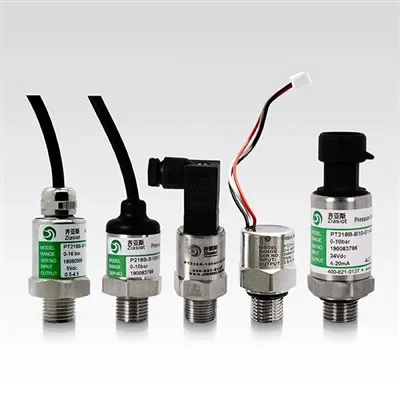
At our company, we offer a wide range of digital pressure meters that are designed to meet the strict waterproof and corrosion - resistant requirements of the marine environment. Our products are built with high - quality materials and advanced manufacturing techniques to ensure long - term reliability.
We have High Temperature Mechanical Melt Presssure Gauges that are suitable for applications where high temperatures are involved, such as in some industrial processes on ships. These gauges are also designed to withstand the marine environment, with proper waterproofing and corrosion - resistant features.
Our Mechanical Presssure Gauge is a reliable option for those who prefer a more traditional type of pressure measurement. It is built with robust materials and has been engineered to resist the corrosive effects of saltwater and the challenges of high humidity.
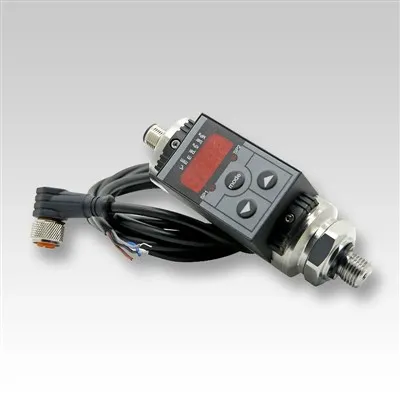
For applications that require the measurement of vacuum pressure, our Vacuum Digital Pressure Gauge is an excellent choice. It is designed with a high - precision sensor and a waterproof enclosure to ensure accurate and reliable performance in the marine environment.
Contact Us for Procurement
If you are in the market for digital pressure meters for your marine applications, we would be delighted to discuss your specific needs. Our team of experts can provide you with detailed information about our products, help you choose the right pressure meter for your requirements, and assist you with the procurement process. Whether you need a single pressure meter for a small project or a large quantity for a major marine operation, we are here to serve you.
References
- International Electrotechnical Commission. (Year). Ingress Protection (IP) Code. IEC Standard.
- Marine Equipment Manufacturer's Handbook. (Year). A comprehensive guide to materials and design requirements for marine equipment.