
How do I store a pressure gauge properly?
Leave a message

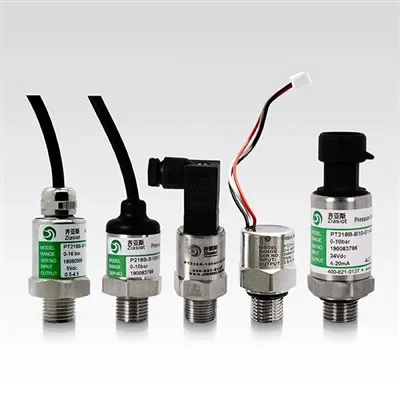
Storing a pressure gauge properly is crucial to ensure its accuracy, longevity, and reliable performance. As a pressure gauges supplier, I've seen firsthand how improper storage can lead to issues like inaccurate readings and premature wear. In this blog, I'll share some tips on how to store pressure gauges correctly.
Why Proper Storage Matters
Before we dive into the storage tips, let's talk about why it's so important to store pressure gauges properly. Pressure gauges are precision instruments that rely on delicate components to measure pressure accurately. If they're not stored correctly, these components can be damaged, leading to inaccurate readings or even complete failure.


Improper storage can also expose the gauge to environmental factors like moisture, dust, and extreme temperatures, which can corrode the gauge's components and cause it to malfunction. By storing your pressure gauges properly, you can extend their lifespan, reduce the need for repairs and replacements, and ensure that they continue to provide accurate readings.
Choosing the Right Storage Location
The first step in storing a pressure gauge properly is to choose the right storage location. Here are some factors to consider:
- Temperature and Humidity: Pressure gauges should be stored in a cool, dry place with a stable temperature and humidity level. Avoid storing them in areas that are prone to extreme temperatures or humidity, such as attics, basements, or near heating or cooling vents. A temperature range of 10°C to 30°C (50°F to 86°F) and a relative humidity of 30% to 70% is ideal.
- Protection from Dust and Debris: Dust and debris can accumulate on the gauge's components and cause damage over time. Store your pressure gauges in a clean, dust-free environment, such as a storage cabinet or a sealed container. If you're storing them in a workshop or a factory, consider using a protective cover to keep dust and debris away.
- Protection from Physical Damage: Pressure gauges are delicate instruments that can be easily damaged if they're dropped or bumped. Store them in a location where they won't be knocked over or stepped on. If you're transporting them, use a padded case or a protective container to prevent damage.
Cleaning the Pressure Gauge
Before storing a pressure gauge, it's important to clean it thoroughly to remove any dirt, debris, or moisture that may have accumulated on its surface. Here's how to clean a pressure gauge:
- Disconnect the Gauge: Before cleaning the pressure gauge, make sure it's disconnected from the system and depressurized. This will prevent any pressure from being released during the cleaning process.
- Wipe the Surface: Use a clean, dry cloth to wipe the surface of the gauge to remove any dirt or debris. If there's any stubborn dirt or grime, you can use a mild detergent solution and a soft brush to gently clean the surface. Avoid using abrasive cleaners or solvents, as they can damage the gauge's finish.
- Dry the Gauge: After cleaning the gauge, make sure it's completely dry before storing it. You can use a clean, dry cloth to dry the surface or let it air dry for a few hours.
Protecting the Pressure Gauge
In addition to choosing the right storage location and cleaning the gauge, it's also important to protect it from damage during storage. Here are some ways to protect your pressure gauge:
- Use a Protective Case: If you're storing the pressure gauge for an extended period of time, consider using a protective case to keep it safe. A padded case or a hard-shell case can provide extra protection against physical damage and environmental factors.
- Cover the Gauge: If you're not using a protective case, you can cover the gauge with a plastic bag or a protective cover to keep dust and debris away. Make sure the cover is snug and doesn't interfere with the gauge's operation.
- Label the Gauge: To make it easier to identify the pressure gauge and its specifications, label it with the gauge's model number, range, and any other relevant information. This will help you keep track of your inventory and ensure that you're using the right gauge for the job.
Storing Different Types of Pressure Gauges
Different types of pressure gauges may require different storage methods. Here's a breakdown of how to store some common types of pressure gauges:
- High Temperature Mechanical Melt Presssure Gauges: These gauges are designed to measure pressure in high-temperature applications. When storing them, make sure they're kept in a cool, dry place away from direct sunlight and heat sources. Avoid storing them in areas where they may be exposed to extreme temperatures or rapid temperature changes, as this can damage the gauge's components.
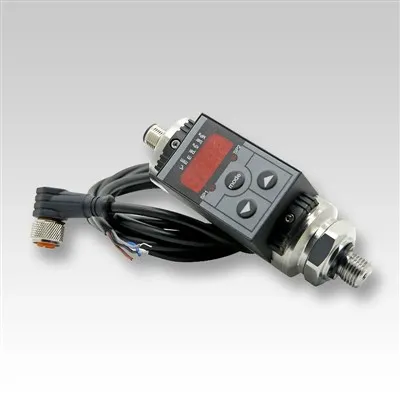
- Digital Melt Presssure Gauges: Digital pressure gauges are more sensitive to environmental factors than mechanical gauges. When storing them, make sure they're kept in a clean, dry place with a stable temperature and humidity level. Avoid storing them in areas where they may be exposed to electromagnetic interference or static electricity, as this can affect the gauge's accuracy.
- Mechanical Presssure Gauge: Mechanical pressure gauges are generally more durable than digital gauges, but they still require proper storage to ensure their accuracy and longevity. When storing them, make sure they're kept in a cool, dry place away from dust and debris. Avoid storing them in areas where they may be exposed to vibration or shock, as this can damage the gauge's internal components.
Regular Inspection and Maintenance
Even if you store your pressure gauges properly, it's still important to inspect them regularly to ensure that they're in good working condition. Here are some things to look for during a regular inspection:
- Physical Damage: Check the gauge for any signs of physical damage, such as cracks, dents, or scratches. If you notice any damage, replace the gauge immediately to prevent inaccurate readings or failure.
- Accuracy: Use a calibrated pressure source to check the gauge's accuracy. If the gauge's readings are off by more than the specified tolerance, it may need to be calibrated or replaced.
- Leakage: Check the gauge for any signs of leakage, such as oil or gas seeping from the gauge's connections or fittings. If you notice any leakage, tighten the connections or replace the fittings as needed.
Conclusion
Storing a pressure gauge properly is essential to ensure its accuracy, longevity, and reliable performance. By choosing the right storage location, cleaning the gauge, protecting it from damage, and inspecting it regularly, you can extend the lifespan of your pressure gauges and reduce the need for repairs and replacements.
If you're in the market for high-quality pressure gauges or need more information on how to store and maintain them, don't hesitate to reach out. We're here to help you find the right solutions for your needs and ensure that your pressure gauges perform at their best. Contact us today to start the conversation and explore our range of High Temperature Mechanical Melt Presssure Gauges, Digital Melt Presssure Gauges, and Mechanical Presssure Gauge.
References
- ASME B40.100 - Pressure Gauges and Gauge Attachments
- ISO 22819 - Hydraulic fluid power - Pressure gauges - Requirements and test methods