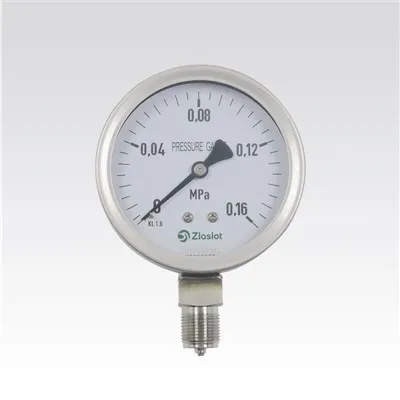
How to store a pressure gauge properly?
Leave a message

As a seasoned supplier in the pressure gauge industry, I understand the critical importance of proper storage for these precision instruments. Pressure gauges are essential tools used in a wide range of industries, from manufacturing and automotive to aerospace and healthcare. Ensuring their accurate performance and longevity requires not only regular maintenance but also appropriate storage methods. In this blog, I will share some key tips on how to store a pressure gauge properly, drawing on my years of experience and industry knowledge.
Understanding the Importance of Proper Storage
Before delving into the specifics of storage, it's crucial to recognize why proper storage matters. Pressure gauges are delicate instruments that can be easily damaged by environmental factors such as temperature, humidity, dust, and vibration. Improper storage can lead to a variety of issues, including inaccurate readings, mechanical failures, and corrosion. By storing pressure gauges correctly, you can extend their lifespan, maintain their accuracy, and avoid costly repairs or replacements.
Choosing the Right Storage Environment
One of the first steps in proper pressure gauge storage is selecting the right environment. Here are some key factors to consider:
Temperature
Pressure gauges are sensitive to temperature changes. Extreme heat or cold can cause the internal components to expand or contract, leading to inaccurate readings or even permanent damage. Ideally, pressure gauges should be stored in an environment with a stable temperature between 5°C and 40°C (41°F and 104°F). Avoid storing gauges in areas that are exposed to direct sunlight, heaters, or air conditioning vents, as these can create temperature fluctuations.
Humidity
High humidity can cause corrosion and moisture damage to pressure gauges. It's important to store gauges in a dry environment with a relative humidity level between 30% and 70%. If the storage area is prone to high humidity, consider using a dehumidifier or silica gel packets to absorb excess moisture.
Dust and Contamination
Dust, dirt, and other contaminants can accumulate on the surface of pressure gauges and interfere with their operation. To prevent this, store gauges in a clean, dust-free environment. Use sealed storage containers or cabinets to protect gauges from dust and debris. If gauges need to be stored in an open area, cover them with a protective cloth or plastic sheet.
Vibration
Vibration can cause the internal components of pressure gauges to loosen or become misaligned, leading to inaccurate readings or mechanical failures. Avoid storing gauges in areas that are prone to vibration, such as near machinery or heavy equipment. If vibration is unavoidable, use shock-absorbing materials or mounts to cushion the gauges.
Cleaning and Preparing Pressure Gauges for Storage
Before storing pressure gauges, it's important to clean and prepare them properly. Here are some steps to follow:
Remove Any External Contaminants
Use a soft, dry cloth to wipe the surface of the pressure gauge clean. Remove any dirt, dust, or debris that may have accumulated on the gauge. If necessary, use a mild cleaning solution and a soft brush to clean hard-to-reach areas. Be sure to dry the gauge thoroughly before storing it.
Drain Any Liquids
If the pressure gauge contains any liquids, such as oil or water, drain them completely before storing the gauge. Liquids can cause corrosion and damage to the internal components of the gauge over time. Follow the manufacturer's instructions for draining the gauge properly.
Protect the Gauge Face
The gauge face is one of the most sensitive parts of the pressure gauge. To protect it from scratches and damage, use a protective cover or film. You can also use a soft, non-abrasive cloth to cover the gauge face.
Check the Gauge for Damage
Before storing the pressure gauge, inspect it carefully for any signs of damage. Look for cracks, dents, or other visible signs of wear and tear. If you notice any damage, it's important to have the gauge repaired or replaced before storing it.
Storing Pressure Gauges
Once you have chosen the right storage environment and prepared the pressure gauges for storage, it's time to store them properly. Here are some tips on how to store different types of pressure gauges:
Mechanical Pressure Gauges
Mechanical pressure gauges are the most common type of pressure gauge. They use a mechanical mechanism, such as a Bourdon tube or diaphragm, to measure pressure. To store mechanical pressure gauges, follow these steps:
- Store gauges in an upright position: Storing gauges in an upright position helps to prevent the internal components from shifting or becoming misaligned.
- Use a protective case or container: A protective case or container can help to prevent damage to the gauge during storage. Choose a case or container that is the right size for the gauge and provides adequate cushioning.
- Label the gauges: Labeling the gauges can help you to identify them easily and keep track of their storage location. Use a permanent marker or label to write the gauge type, range, and serial number on the gauge or the storage container.
Digital Pressure Gauges
Digital pressure gauges use electronic sensors to measure pressure. They are more accurate and precise than mechanical pressure gauges but can be more sensitive to environmental factors. To store digital pressure gauges, follow these steps:
- Remove the batteries: If the digital pressure gauge uses batteries, remove them before storing the gauge. Batteries can leak and damage the internal components of the gauge over time.
- Store gauges in a static-free environment: Digital pressure gauges are sensitive to static electricity. To prevent static damage, store gauges in a static-free environment. You can use an anti-static bag or container to store the gauges.
- Follow the manufacturer's instructions: Different digital pressure gauges may have different storage requirements. Be sure to follow the manufacturer's instructions for storing the gauge properly.
Vacuum Digital Pressure Gauge
For Vacuum Digital Pressure Gauge, in addition to the general storage requirements for digital gauges, pay special attention to the protection of the vacuum - sensing element. Keep it in a sealed container to prevent dust and moisture from entering the vacuum - measuring part. Also, ensure that the storage area is free from strong electromagnetic fields that could interfere with the digital circuitry.
High Temperature Mechanical Melt Presssure Gauges
High Temperature Mechanical Melt Presssure Gauges are designed to withstand high temperatures during operation. However, when storing them, it's important to avoid extreme temperature changes. Store them in a temperature - controlled environment to prevent the expansion and contraction of the internal components. Also, clean the gauge thoroughly to remove any molten material residues that may have adhered to the gauge during use.
Digital Melt Presssure Gauges
Digital Melt Presssure Gauges combine the features of digital technology and melt pressure measurement. Similar to other digital gauges, remove the batteries during storage. Additionally, protect the digital display from scratches and protect the pressure - sensing part from contamination. Use a soft, dry cloth to clean the gauge regularly and keep it in a dust - free and humidity - controlled container.
Regular Inspection and Maintenance
Even when pressure gauges are stored properly, it's important to inspect them regularly to ensure their continued performance. Here are some tips on regular inspection and maintenance:
Inspect the gauges periodically
Inspect the pressure gauges at least once every six months to check for any signs of damage or wear. Look for cracks, dents, corrosion, or other visible signs of damage. If you notice any damage, have the gauge repaired or replaced immediately.
Calibrate the gauges regularly
Calibration is the process of comparing the readings of a pressure gauge to a known standard to ensure its accuracy. It's important to calibrate pressure gauges regularly, especially if they are used in critical applications. The frequency of calibration depends on the type of gauge, the application, and the manufacturer's recommendations.
Perform maintenance as needed
In addition to regular inspection and calibration, perform maintenance on the pressure gauges as needed. This may include cleaning the gauge, lubricating the moving parts, or replacing worn or damaged components. Follow the manufacturer's instructions for performing maintenance on the gauge.
Conclusion
Proper storage of pressure gauges is essential for maintaining their accuracy, reliability, and longevity. By choosing the right storage environment, cleaning and preparing the gauges properly, storing them correctly, and performing regular inspection and maintenance, you can ensure that your pressure gauges continue to perform at their best.
If you're in the market for high - quality pressure gauges or need more advice on their storage and maintenance, feel free to reach out to us. We're here to provide you with the best products and solutions for your pressure measurement needs. Contact us to start a discussion about your procurement requirements. We'll be glad to assist you in finding the perfect pressure gauges for your applications.


References
- Pressure Gauge Handbook: A Practical Guide, Various Industry Textbooks
- Manufacturer's Manuals for Pressure Gauges