Can melt pressure gauges be used in rubber processing?
Leave a message

Can melt pressure gauges be used in rubber processing?


Rubber processing is a complex and highly specialized industry, requiring precise control over various parameters to ensure the quality and consistency of the final product. One of the crucial aspects of rubber processing is the management of pressure, which can significantly impact the properties and performance of the rubber. In this blog post, we will explore the question of whether melt pressure gauges can be used in rubber processing, and why they are an essential tool for this industry.
As a supplier of melt pressure gauges, we understand the unique challenges and requirements of the rubber processing industry. Our gauges are designed to provide accurate and reliable pressure measurements in high-temperature and high-pressure environments, making them ideal for use in rubber processing applications.
The Role of Pressure in Rubber Processing
Pressure plays a vital role in rubber processing, influencing the flow, viscosity, and curing of the rubber compound. During the mixing and extrusion processes, pressure is used to force the rubber through dies and molds, shaping it into the desired form. The pressure applied during these processes can affect the density, hardness, and elasticity of the rubber, as well as its resistance to wear and tear.
In addition to shaping the rubber, pressure is also used to control the curing process. Curing is the chemical reaction that transforms the raw rubber into a solid, elastic material. By applying pressure during the curing process, the rubber molecules are forced closer together, increasing the cross-linking between them and improving the overall strength and durability of the rubber.
The Need for Accurate Pressure Measurement
Accurate pressure measurement is essential in rubber processing to ensure consistent product quality and to prevent defects. If the pressure is too low, the rubber may not flow properly through the dies and molds, resulting in uneven thickness and poor surface finish. On the other hand, if the pressure is too high, the rubber may be over-compressed, leading to excessive wear on the equipment and potential damage to the rubber itself.
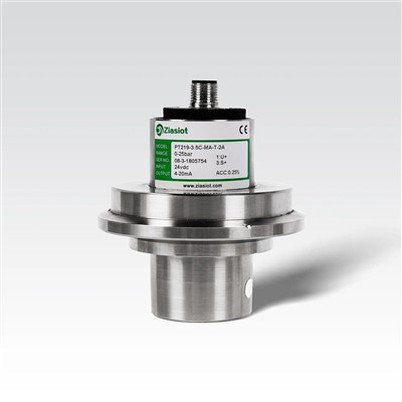
Melt pressure gauges are specifically designed to measure the pressure of molten materials, such as rubber, at high temperatures and pressures. These gauges provide real-time pressure readings, allowing operators to monitor and adjust the pressure as needed to ensure optimal processing conditions. By using melt pressure gauges, rubber processors can achieve greater control over the manufacturing process, resulting in higher quality products and increased efficiency.
Types of Melt Pressure Gauges for Rubber Processing
There are several types of melt pressure gauges available for use in rubber processing, each with its own advantages and disadvantages. Some of the most common types include:
-
Digital Melt Pressure Gauges: These gauges use electronic sensors to measure the pressure and display the readings on a digital screen. Digital melt pressure gauges offer high accuracy and precision, as well as the ability to store and analyze data. They are also easy to install and operate, making them a popular choice for rubber processing applications. Digital Melt Presssure Gauges
-
High Temperature Mechanical Melt Pressure Gauges: These gauges use mechanical sensors to measure the pressure and display the readings on a dial. High temperature mechanical melt pressure gauges are designed to withstand extreme temperatures and pressures, making them suitable for use in high-temperature rubber processing applications. They are also relatively simple and reliable, making them a cost-effective option for many rubber processors. High Temperature Mechanical Melt Presssure Gauges
-
Mechanical Pressure Gauges: These gauges use a Bourdon tube or other mechanical device to measure the pressure and display the readings on a dial. Mechanical pressure gauges are simple and reliable, making them a popular choice for many industrial applications. However, they may not be as accurate or precise as digital or high temperature mechanical melt pressure gauges. Mechanical Presssure Gauge
Benefits of Using Melt Pressure Gauges in Rubber Processing
Using melt pressure gauges in rubber processing offers several benefits, including:
- Improved Product Quality: By accurately measuring and controlling the pressure during the rubber processing, melt pressure gauges help to ensure consistent product quality. This can reduce the number of defects and improve the overall performance of the rubber products.
- Increased Efficiency: Melt pressure gauges allow operators to monitor and adjust the pressure in real-time, which can help to optimize the processing conditions and reduce the processing time. This can lead to increased productivity and lower production costs.
- Enhanced Safety: By providing accurate pressure readings, melt pressure gauges help to prevent overpressure situations, which can be dangerous for operators and equipment. This can improve the safety of the rubber processing environment and reduce the risk of accidents.
- Cost Savings: By improving product quality and efficiency, melt pressure gauges can help to reduce waste and rework, which can result in significant cost savings for rubber processors.
Considerations for Using Melt Pressure Gauges in Rubber Processing
When using melt pressure gauges in rubber processing, there are several factors to consider, including:
- Temperature and Pressure Range: Rubber processing typically involves high temperatures and pressures, so it is important to choose a melt pressure gauge that can withstand these conditions. Make sure to select a gauge with a temperature and pressure range that is suitable for your specific application.
- Accuracy and Precision: The accuracy and precision of the melt pressure gauge are crucial for ensuring consistent product quality. Look for a gauge with a high level of accuracy and precision, and make sure to calibrate it regularly to maintain its performance.
- Compatibility with Rubber Materials: Some rubber materials may be corrosive or abrasive, which can damage the melt pressure gauge. Make sure to choose a gauge that is compatible with the rubber materials you are using, and consider using a protective coating or sleeve to prevent damage.
- Installation and Maintenance: Proper installation and maintenance of the melt pressure gauge are essential for ensuring its performance and longevity. Make sure to follow the manufacturer's instructions for installation and maintenance, and regularly inspect the gauge for any signs of damage or wear.
Conclusion
In conclusion, melt pressure gauges are an essential tool for rubber processing, providing accurate and reliable pressure measurements in high-temperature and high-pressure environments. By using melt pressure gauges, rubber processors can achieve greater control over the manufacturing process, resulting in higher quality products, increased efficiency, and enhanced safety.
If you are in the rubber processing industry and are looking for a reliable melt pressure gauge supplier, we encourage you to contact us to discuss your specific needs. Our team of experts can help you choose the right gauge for your application and provide you with the support and service you need to ensure the success of your rubber processing operations.
References
- "Rubber Processing Technology" by Frank W. Barlow
- "Handbook of Rubber Technology" by Maurice Morton