
How does a melt pressure indicator interact with other equipment in a production line?
Leave a message

Hey there! As a supplier of melt pressure indicators, I've seen firsthand how these nifty devices play a crucial role in a production line. In this blog, I'm gonna break down how a melt pressure indicator interacts with other equipment in a production line.
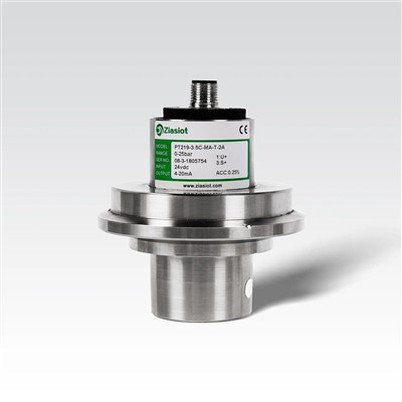
First off, let's talk about what a melt pressure indicator is. It's a device that measures the pressure of molten materials, like plastics or metals, in a production process. This is super important because the pressure can affect the quality and consistency of the final product. For example, if the pressure is too high, it could cause the material to flow too quickly and result in a defective product. On the other hand, if the pressure is too low, the material might not flow properly, leading to incomplete filling or other issues.


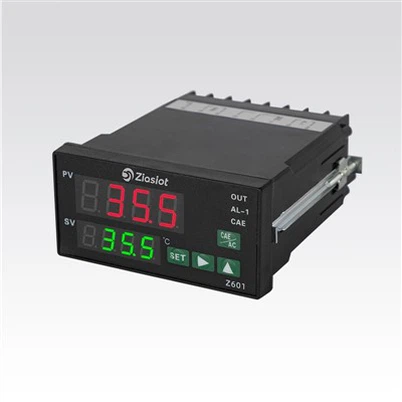
Now, let's dive into how a melt pressure indicator interacts with other equipment in a production line. One of the most common interactions is with a Temperature Indicator. Temperature and pressure are closely related in a production process. For instance, in a plastic injection molding process, the temperature of the molten plastic affects its viscosity, which in turn affects the pressure required to inject it into the mold. A melt pressure indicator can work in tandem with a temperature indicator to ensure that the pressure and temperature are within the optimal range for the production process. If the temperature is too high, the pressure might need to be adjusted to compensate for the lower viscosity of the molten material. Conversely, if the temperature is too low, the pressure might need to be increased to ensure proper flow.
Another important interaction is with a Pressure Temperature Indicator. This type of indicator combines the functions of a pressure indicator and a temperature indicator. It can provide real-time data on both pressure and temperature, allowing operators to monitor and control the production process more effectively. For example, if the pressure and temperature are both outside the desired range, the operator can make adjustments to the equipment to bring them back into the optimal range. This helps to ensure the quality and consistency of the final product.
A melt pressure indicator also interacts with a Digital PID Pressure Controller. A PID (Proportional-Integral-Derivative) controller is a type of control system that uses feedback to adjust the pressure in a production process. The melt pressure indicator provides the feedback by measuring the actual pressure of the molten material. The PID controller then uses this information to adjust the pressure to the desired setpoint. This helps to maintain a stable pressure in the production process, which is essential for producing high-quality products.
In addition to these interactions, a melt pressure indicator can also communicate with other equipment in the production line, such as pumps, valves, and sensors. For example, if the pressure in the production line exceeds a certain threshold, the melt pressure indicator can send a signal to a valve to reduce the flow of the molten material. This helps to prevent overpressure and protect the equipment from damage.
Now, you might be wondering how all these interactions work in practice. Well, let's take a look at a real-world example. Imagine a plastic injection molding production line. The melt pressure indicator is installed in the injection molding machine to measure the pressure of the molten plastic. The temperature indicator is also installed to monitor the temperature of the plastic. The pressure temperature indicator provides real-time data on both pressure and temperature, which is sent to the digital PID pressure controller. The PID controller uses this data to adjust the pressure of the plastic in the injection molding machine. If the pressure is too high, the controller can reduce the flow of the plastic by adjusting the valve. If the pressure is too low, the controller can increase the flow of the plastic by adjusting the pump.
As you can see, a melt pressure indicator plays a vital role in a production line by interacting with other equipment to ensure the quality and consistency of the final product. If you're in the market for a melt pressure indicator or any other related equipment, I encourage you to reach out to us. We're a leading supplier of melt pressure indicators and other industrial equipment, and we're committed to providing high-quality products and excellent customer service. Whether you're a small business or a large corporation, we can help you find the right equipment for your production needs. So, don't hesitate to contact us for more information and to start a procurement discussion.
References
- General knowledge of industrial production processes and equipment interactions.
- Technical specifications and documentation of melt pressure indicators, temperature indicators, pressure temperature indicators, and digital PID pressure controllers.