
What are the applications of flowmeters in the water treatment industry?
Leave a message

Hey there! As a flowmeters supplier, I've seen firsthand how crucial these devices are in the water treatment industry. Flowmeters play a vital role in ensuring the efficient and effective operation of water treatment plants. In this blog, I'm gonna talk about the various applications of flowmeters in the water treatment industry.
Measuring Incoming Water Flow
One of the primary applications of flowmeters in water treatment is measuring the flow rate of incoming water. This is super important because it helps plant operators determine how much water is entering the treatment facility. By knowing the flow rate, they can adjust the treatment processes accordingly. For example, if the flow rate is high, they might need to increase the dosage of chemicals to ensure proper treatment.
Turbine flow meters are often used for this purpose. They work by measuring the speed of a turbine that rotates as water flows through it. The faster the turbine spins, the higher the flow rate. You can learn more about turbine flow meters here.


Monitoring Chemical Dosage
In water treatment, chemicals are used to remove impurities and disinfect the water. Flowmeters are used to monitor the flow rate of these chemicals to ensure that the correct amount is being added to the water. This is crucial for maintaining the quality of the treated water.
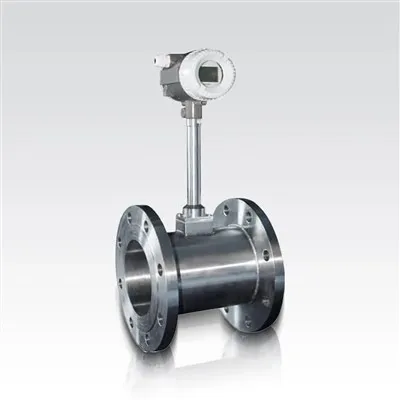
Vortex flowmeters are a popular choice for monitoring chemical dosage. They use the principle of vortex shedding to measure the flow rate. When fluid flows past a bluff body, it creates vortices, and the frequency of these vortices is proportional to the flow rate. Check out this link to learn more about vortex flowmeters.
Controlling Water Distribution
Once the water has been treated, it needs to be distributed to consumers. Flowmeters are used to monitor and control the flow of water in the distribution system. This helps ensure that the right amount of water is being delivered to different areas.
LDG electromagnetic flowmeters are commonly used for water distribution applications. They work by measuring the voltage generated when water flows through a magnetic field. The voltage is proportional to the flow rate. You can find more information about LDG electromagnetic flowmeters here.
Detecting Leaks
Flowmeters can also be used to detect leaks in the water treatment system. By continuously monitoring the flow rate, any sudden changes in flow can indicate a leak. This allows plant operators to quickly identify and repair the leak, reducing water loss and preventing damage to the system.
Wastewater Treatment
In addition to treating incoming water, flowmeters are also used in wastewater treatment. They help measure the flow rate of wastewater entering the treatment plant and monitor the flow of treated water leaving the plant. This is important for ensuring that the treatment process is working effectively and that the treated water meets the required standards.
Improving Efficiency
By accurately measuring the flow rate of water and chemicals, flowmeters help improve the efficiency of the water treatment process. They allow plant operators to optimize the use of resources, reduce energy consumption, and minimize waste. This not only saves money but also helps protect the environment.
Conclusion
As you can see, flowmeters are essential in the water treatment industry. They play a crucial role in measuring incoming water flow, monitoring chemical dosage, controlling water distribution, detecting leaks, and improving efficiency. If you're in the water treatment business, investing in high-quality flowmeters is a no-brainer.
If you're interested in purchasing flowmeters for your water treatment facility, I'd love to have a chat with you. We offer a wide range of flowmeters to meet your specific needs. Just reach out to us, and we'll be happy to discuss your requirements and provide you with the best solutions.
References
- "Flow Measurement Handbook: Industrial Designs and Applications" by Richard W. Miller
- "Water Treatment Principles and Design" by David W. Cornwell, George Tchobanoglous, and Franklin H. Logsdon