Can a temperature indicator be used in refrigerators?
Leave a message

As a supplier of temperature indicators, I often get asked whether a temperature indicator can be used in refrigerators. This is a valid question, considering the unique environment and requirements of refrigerators. In this blog post, I'll explore the feasibility of using temperature indicators in refrigerators, discuss their benefits, and provide some insights into choosing the right temperature indicator for this application.
Can a Temperature Indicator Be Used in Refrigerators?
The short answer is yes, a temperature indicator can be used in refrigerators. In fact, it is highly recommended to have a temperature indicator in your refrigerator to ensure that the temperature is maintained at the optimal level. Refrigerators are designed to keep food and beverages at a safe temperature to prevent spoilage and the growth of harmful bacteria. However, the temperature inside a refrigerator can fluctuate due to various factors such as door openings, the amount of food stored, and the efficiency of the cooling system. A temperature indicator can help you monitor these fluctuations and take appropriate action to maintain the desired temperature.
Benefits of Using a Temperature Indicator in Refrigerators
- Food Safety: One of the primary benefits of using a temperature indicator in a refrigerator is to ensure food safety. By monitoring the temperature, you can ensure that your food is stored at a safe temperature, reducing the risk of foodborne illnesses.
- Energy Efficiency: A temperature indicator can also help you save energy. By maintaining the optimal temperature, your refrigerator doesn't have to work as hard to cool the contents, which can lead to lower energy consumption and cost savings.
- Product Quality: For businesses that store perishable goods in refrigerators, such as restaurants and grocery stores, a temperature indicator is essential for maintaining product quality. By ensuring that the temperature is consistent, you can prevent spoilage and maintain the freshness of your products.
- Compliance: In some industries, such as the food and pharmaceutical industries, there are strict regulations regarding the storage temperature of products. A temperature indicator can help you meet these regulations and avoid potential fines or legal issues.
Types of Temperature Indicators for Refrigerators
There are several types of temperature indicators that can be used in refrigerators, each with its own advantages and disadvantages. Here are some of the most common types:
- Thermometers: Traditional thermometers are a simple and cost-effective way to monitor the temperature in a refrigerator. They come in various types, including mercury, alcohol, and digital. Digital thermometers are the most popular choice as they are easy to read and provide accurate temperature readings.
- Thermostats: Thermostats are more advanced temperature indicators that can be used to control the temperature in a refrigerator. They allow you to set a specific temperature and automatically adjust the cooling system to maintain that temperature. Thermostats are commonly used in commercial refrigerators.
- Data Loggers: Data loggers are electronic devices that can record temperature data over a period of time. They are useful for monitoring temperature trends and identifying any potential issues with the refrigerator. Data loggers can be connected to a computer or mobile device to view and analyze the data.
Choosing the Right Temperature Indicator for Your Refrigerator
When choosing a temperature indicator for your refrigerator, there are several factors to consider:
- Accuracy: The accuracy of the temperature indicator is crucial, especially when it comes to food safety. Look for a temperature indicator that has a high level of accuracy and is calibrated regularly.
- Range: Make sure the temperature indicator has a range that is suitable for the temperature range of your refrigerator. Most refrigerators operate between 32°F and 40°F (0°C and 4°C), so choose a temperature indicator that can measure within this range.
- Ease of Use: The temperature indicator should be easy to use and read. Digital temperature indicators are generally easier to read than traditional thermometers.
- Durability: Since the temperature indicator will be used in a refrigerator, it should be durable and able to withstand the cold and moist environment. Look for a temperature indicator that is made of high-quality materials and is resistant to corrosion.
Other Flow Meter Products
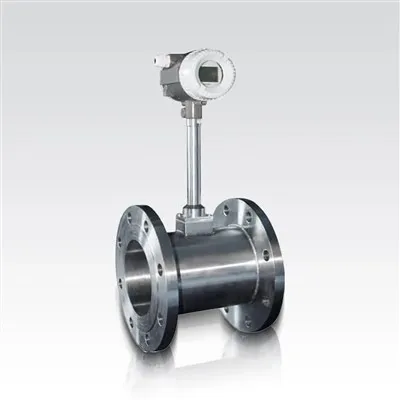
In addition to temperature indicators, our company also offers a range of flow meters, including Turbine Flow Meter, LDG Electromagnetic Flowmeter, and Vortex Flowmeter. These flow meters are designed to accurately measure the flow rate of liquids and gases in various applications.


Conclusion
In conclusion, a temperature indicator can be used in refrigerators and offers several benefits, including food safety, energy efficiency, product quality, and compliance. When choosing a temperature indicator, consider factors such as accuracy, range, ease of use, and durability. If you have any questions or need further information about our temperature indicators or flow meters, please don't hesitate to contact us. We are always happy to assist you with your procurement needs.
References
- "Food Safety and Temperature Control." Food and Drug Administration.
- "Energy Efficiency in Refrigerators." Department of Energy.
- "Temperature Monitoring in Commercial Refrigeration." National Sanitation Foundation.