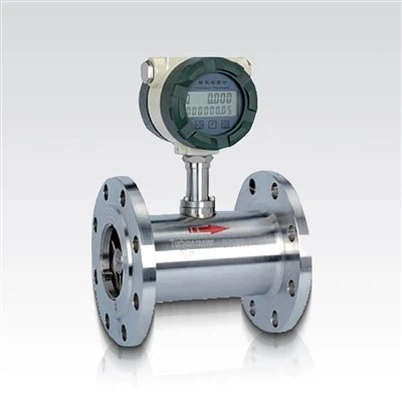

Can a Turbine Flow Meter be used in a horizontal pipeline?
Leave a message

As a supplier of Turbine Flow Meters, I often encounter questions from customers regarding the application of these meters in different pipeline configurations. One of the most common inquiries is whether a Turbine Flow Meter can be used in a horizontal pipeline. In this blog post, I will delve into this topic, exploring the feasibility, advantages, and considerations when using a Turbine Flow Meter in a horizontal pipeline.
Feasibility of Using a Turbine Flow Meter in a Horizontal Pipeline
Turbine Flow Meters are widely recognized for their accuracy and reliability in measuring the flow rate of liquids and gases. These meters operate on the principle of a rotating turbine, which is driven by the fluid flow. As the fluid passes through the meter, it causes the turbine to spin, and the rotational speed is directly proportional to the flow rate.
In theory, a Turbine Flow Meter can be used in a horizontal pipeline without any significant issues. The design of the meter allows it to function effectively regardless of the pipeline orientation, as long as the fluid flow is sufficient to drive the turbine. However, there are several factors that need to be considered to ensure optimal performance.
Advantages of Using a Turbine Flow Meter in a Horizontal Pipeline
1. Easy Installation
Horizontal pipelines are often easier to access and install compared to vertical pipelines. This makes it more convenient to install a Turbine Flow Meter in a horizontal pipeline, reducing the installation time and cost.
2. Consistent Flow Profile
In a horizontal pipeline, the fluid flow tends to have a more consistent profile compared to a vertical pipeline. This can result in more accurate flow measurements, as the turbine can rotate more smoothly and uniformly.
3. Reduced Pressure Drop
The pressure drop across a Turbine Flow Meter in a horizontal pipeline is generally lower compared to a vertical pipeline. This is because the fluid flow in a horizontal pipeline is less affected by gravity, resulting in a more efficient flow.
Considerations When Using a Turbine Flow Meter in a Horizontal Pipeline
1. Pipeline Orientation
While a Turbine Flow Meter can be used in a horizontal pipeline, it is important to ensure that the meter is installed correctly. The meter should be installed in a straight section of the pipeline, away from any bends, elbows, or valves. This will help to ensure a uniform flow profile and accurate measurements.
2. Fluid Properties
The properties of the fluid being measured can also affect the performance of the Turbine Flow Meter. For example, if the fluid is viscous or contains solid particles, it may cause the turbine to clog or wear out more quickly. In such cases, it may be necessary to use a different type of flow meter or to install a filter upstream of the meter.
3. Flow Rate Range
The flow rate range of the Turbine Flow Meter should be carefully selected to ensure that it is suitable for the application. If the flow rate is too low, the turbine may not rotate properly, resulting in inaccurate measurements. On the other hand, if the flow rate is too high, it may cause the turbine to overspin, leading to premature wear and tear.


Comparison with Other Flow Meters
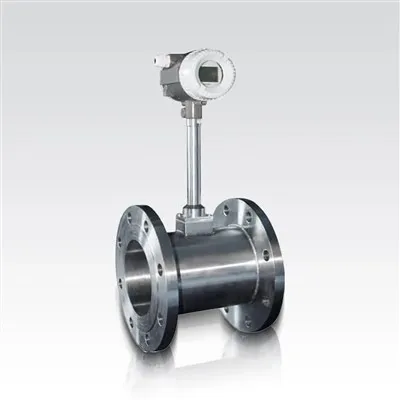
In addition to Turbine Flow Meters, there are several other types of flow meters available in the market, such as Vortex Flowmeter and LDG Electromagnetic Flowmeter. Each type of flow meter has its own advantages and disadvantages, and the choice of meter will depend on the specific application requirements.
Vortex Flowmeter
Vortex Flowmeters are based on the principle of the von Kármán vortex street. These meters are suitable for measuring the flow rate of liquids, gases, and steam. They are relatively inexpensive and easy to install, but they may not be as accurate as Turbine Flow Meters, especially at low flow rates.
LDG Electromagnetic Flowmeter
LDG Electromagnetic Flowmeters are based on Faraday's law of electromagnetic induction. These meters are suitable for measuring the flow rate of conductive liquids, such as water and wastewater. They are highly accurate and reliable, but they are more expensive than Turbine Flow Meters and require a power supply.
Conclusion
In conclusion, a Turbine Flow Meter can be used in a horizontal pipeline, provided that the installation is done correctly and the appropriate considerations are taken into account. The advantages of using a Turbine Flow Meter in a horizontal pipeline include easy installation, consistent flow profile, and reduced pressure drop. However, it is important to ensure that the meter is suitable for the specific application requirements and that the fluid properties and flow rate range are within the meter's specifications.
If you are interested in purchasing a Turbine Flow Meter or have any questions about its application in a horizontal pipeline, please do not hesitate to contact us. Our team of experts will be happy to assist you in selecting the right meter for your needs and providing you with the necessary technical support.
References
- "Flow Measurement Handbook: Industrial Designs, Operating Principles, Performance, and Applications" by Ralph W. Miller
- "Flow Measurement: Practical Guides for Measurement and Control" by Robert W. Miller
- "Instrumentation and Control Systems" by John C. Doebelin