How to optimize the installation location of MEMS pressure transmitters?
Leave a message

Hey there! As a supplier of MEMS pressure transmitters, I've seen firsthand how crucial it is to optimize the installation location of these devices. In this blog post, I'll share some tips and insights on how to do just that.
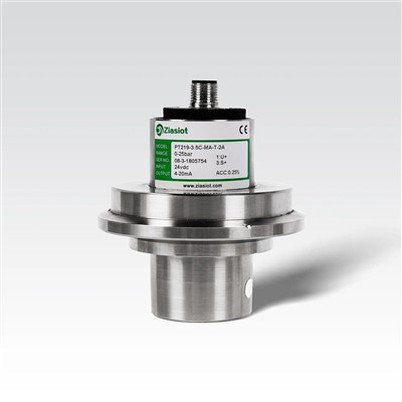
First off, let's talk about what MEMS pressure transmitters are and why they're so important. MEMS, or Micro-Electro-Mechanical Systems, are tiny devices that can measure pressure, temperature, and other physical quantities. They're used in a wide range of applications, from automotive and aerospace to medical and industrial.
MEMS pressure transmitters are particularly useful because they're small, accurate, and reliable. They can be used to measure pressure in a variety of environments, including high-pressure and high-temperature applications. However, to get the most accurate and reliable measurements, it's important to install them in the right location.
So, how do you optimize the installation location of MEMS pressure transmitters? Here are some tips to keep in mind:
1. Consider the Application
The first step in optimizing the installation location of MEMS pressure transmitters is to consider the application. Different applications have different requirements, so it's important to choose a location that's appropriate for the specific application.
For example, if you're using a MEMS pressure transmitter to measure the pressure in a hydraulic system, you'll want to install it as close to the source of the pressure as possible. This will help to ensure that you're getting an accurate measurement of the pressure in the system.
On the other hand, if you're using a MEMS pressure transmitter to measure the pressure in a gas pipeline, you'll want to install it at a location where the gas flow is relatively stable. This will help to ensure that you're getting an accurate measurement of the pressure in the pipeline.
2. Avoid Vibrations and Shock
MEMS pressure transmitters are sensitive devices, and they can be affected by vibrations and shock. To ensure that you're getting accurate and reliable measurements, it's important to install the transmitter in a location where it's not exposed to excessive vibrations or shock.

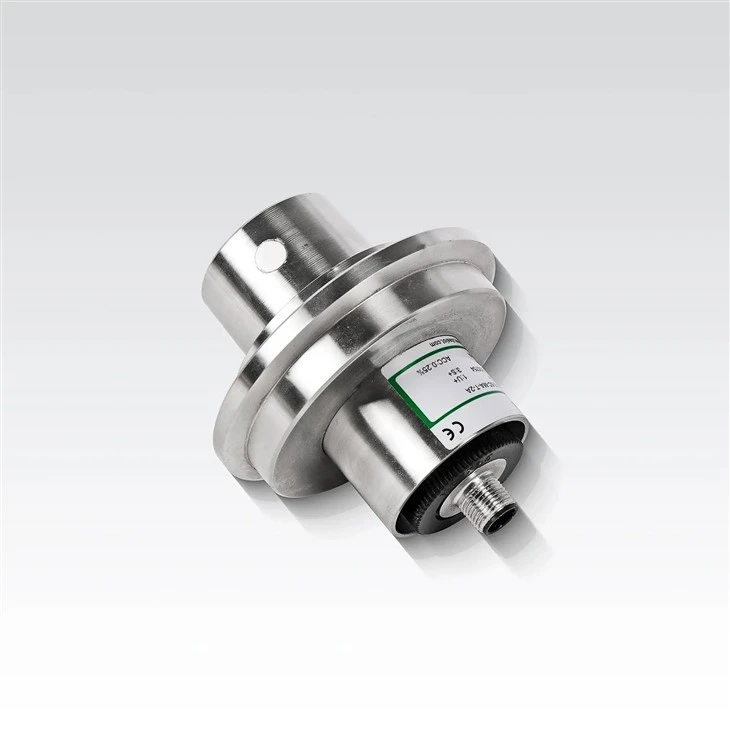
For example, if you're installing a MEMS pressure transmitter in a machine, you'll want to install it on a stable surface that's not subject to vibrations. You may also want to use vibration isolation mounts to reduce the amount of vibration that the transmitter is exposed to.
3. Consider the Temperature
MEMS pressure transmitters are also sensitive to temperature. To ensure that you're getting accurate and reliable measurements, it's important to install the transmitter in a location where the temperature is relatively stable.
For example, if you're installing a MEMS pressure transmitter in an industrial environment, you'll want to install it in a location where the temperature is controlled. You may also want to use a temperature compensation circuit to ensure that the transmitter is providing accurate measurements over a wide range of temperatures.
4. Ensure Proper Ventilation
MEMS pressure transmitters require proper ventilation to ensure that they're functioning properly. To ensure that you're getting accurate and reliable measurements, it's important to install the transmitter in a location where there's adequate ventilation.
For example, if you're installing a MEMS pressure transmitter in a sealed enclosure, you'll want to ensure that there's a ventilation port to allow air to flow in and out of the enclosure. You may also want to use a fan or other ventilation device to ensure that the air is circulating properly.
5. Consider the Mounting Orientation
The mounting orientation of a MEMS pressure transmitter can also affect its performance. To ensure that you're getting accurate and reliable measurements, it's important to install the transmitter in the correct orientation.
For example, if you're installing a MEMS pressure transmitter in a vertical pipe, you'll want to install it with the sensing element facing downwards. This will help to ensure that the transmitter is measuring the pressure at the bottom of the pipe, where the pressure is typically the highest.
6. Use the Right Mounting Hardware
Finally, it's important to use the right mounting hardware when installing a MEMS pressure transmitter. Using the wrong mounting hardware can cause the transmitter to be installed incorrectly, which can affect its performance.
For example, if you're installing a MEMS pressure transmitter in a metal enclosure, you'll want to use a mounting bracket that's designed for use with metal enclosures. You may also want to use a gasket or other sealing material to ensure that the transmitter is properly sealed.
In conclusion, optimizing the installation location of MEMS pressure transmitters is crucial for getting accurate and reliable measurements. By considering the application, avoiding vibrations and shock, considering the temperature, ensuring proper ventilation, considering the mounting orientation, and using the right mounting hardware, you can ensure that your MEMS pressure transmitters are functioning properly and providing accurate measurements.
If you're interested in learning more about MEMS pressure transmitters or if you're looking for a supplier of high-quality MEMS pressure transmitters, please don't hesitate to contact us. We'd be happy to help you find the right solution for your needs.
One of our popular products is the MEMS Pressure Sensor for Shield Tunneling Machine, which is specifically designed for use in shield tunneling applications. This sensor provides accurate and reliable pressure measurements in harsh environments, making it an ideal choice for this type of application.
If you're interested in purchasing our MEMS pressure transmitters or have any questions about our products, please feel free to reach out to us. We're here to help you find the best solution for your needs.
References
- "MEMS Pressure Sensors: Principles and Applications" by J. W. Gardner and P. A. Payne
- "Microelectromechanical Systems (MEMS): Fundamentals and Applications" by M. Elwenspoek and R. Wiegerink
- "Pressure Sensors: Design, Development, and Applications" by B. Bhushan