
Can a digital pressure meter be used in high - temperature environments?
Leave a message

As a supplier of digital pressure meters, I often receive inquiries from customers about the suitability of our products in high-temperature environments. This is a crucial question, especially for industries such as manufacturing, chemical processing, and energy production, where high temperatures are common. In this blog post, I will explore the capabilities and limitations of digital pressure meters in high-temperature settings, providing you with the information you need to make an informed decision for your specific application.
Understanding Digital Pressure Meters
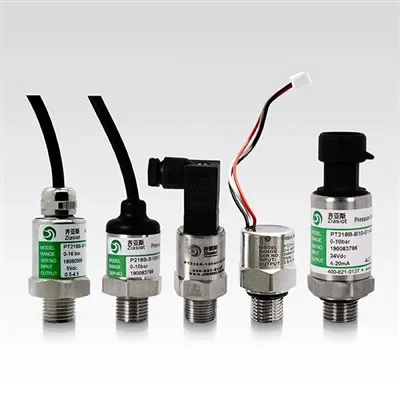
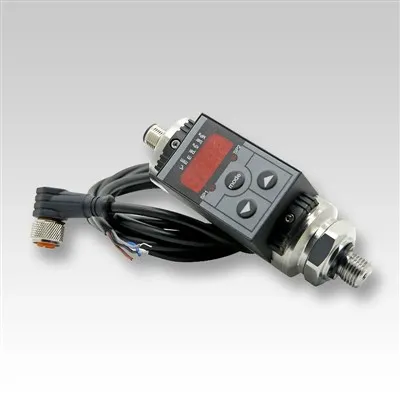
Before delving into the topic of high-temperature use, let's first understand what a digital pressure meter is. A digital pressure meter is a device that measures pressure and displays the reading digitally. It offers several advantages over traditional analog gauges, including higher accuracy, better readability, and the ability to provide additional features such as data logging and remote monitoring. Digital pressure meters typically use sensors to convert pressure into an electrical signal, which is then processed and displayed on a digital screen.
Challenges of High-Temperature Environments
High-temperature environments pose several challenges for digital pressure meters. One of the primary concerns is the effect of heat on the electronic components of the device. Excessive heat can cause the components to degrade or malfunction, leading to inaccurate readings or even complete failure. Additionally, high temperatures can cause thermal expansion of the materials used in the pressure meter, which can affect the accuracy of the measurement.
Another challenge is the presence of heat sources that can radiate heat onto the pressure meter. This can cause the temperature of the device to rise above its rated operating temperature, even if the ambient temperature is within the acceptable range. In some cases, the heat can also cause the pressure meter to overheat, leading to damage to the internal components.
Factors Affecting the Performance of Digital Pressure Meters in High-Temperature Environments
Several factors can affect the performance of digital pressure meters in high-temperature environments. These include:
Temperature Rating
The temperature rating of a digital pressure meter indicates the maximum temperature at which the device can operate reliably. It is important to choose a pressure meter with a temperature rating that exceeds the maximum temperature of your application to ensure accurate and reliable performance.
Sensor Technology
The type of sensor used in the digital pressure meter can also affect its performance in high-temperature environments. Some sensors are more resistant to heat than others, and they may be better suited for use in high-temperature applications. For example, strain gauge sensors are commonly used in digital pressure meters because they are relatively resistant to heat and can provide accurate readings over a wide temperature range.


Heat Dissipation
Proper heat dissipation is essential for the reliable operation of digital pressure meters in high-temperature environments. If the heat generated by the device is not dissipated effectively, it can cause the temperature of the components to rise above their rated operating temperature, leading to inaccurate readings or even failure. To ensure proper heat dissipation, digital pressure meters may be equipped with heat sinks, fans, or other cooling mechanisms.
Enclosure Design
The design of the enclosure that houses the digital pressure meter can also affect its performance in high-temperature environments. A well-designed enclosure can provide insulation and protection from heat, reducing the impact of high temperatures on the device. Additionally, the enclosure should be made of materials that are resistant to heat and corrosion to ensure long-term reliability.
Our Solutions for High-Temperature Applications
At our company, we understand the challenges of using digital pressure meters in high-temperature environments, and we offer a range of products that are specifically designed to meet these challenges. Our digital pressure meters are built with high-quality components and advanced sensor technology, ensuring accurate and reliable performance even in the most demanding applications.
One of our key products for high-temperature applications is our Digital Melt Presssure Gauges. These gauges are designed to measure the pressure of molten materials in high-temperature processes, such as injection molding and extrusion. They feature a high-temperature resistant sensor and a rugged enclosure that can withstand the harsh conditions of these applications.
We also offer Vacuum Digital Pressure Gauge, which are suitable for use in high-temperature vacuum environments. These gauges are designed to measure low pressures accurately and reliably, even in the presence of high temperatures and harsh chemicals.
In addition to our digital pressure meters, we also offer High Temperature Mechanical Melt Presssure Gauges, which are ideal for applications where a digital display is not required. These gauges use mechanical components to measure pressure and are designed to withstand high temperatures and harsh environments.
Conclusion
In conclusion, digital pressure meters can be used in high-temperature environments, but it is important to choose the right product for your specific application. When selecting a digital pressure meter for high-temperature use, consider factors such as temperature rating, sensor technology, heat dissipation, and enclosure design. At our company, we offer a range of products that are specifically designed to meet the challenges of high-temperature applications, and we are committed to providing our customers with the highest quality products and services.
If you have any questions about our digital pressure meters or need assistance in selecting the right product for your application, please do not hesitate to contact us. Our team of experts is available to provide you with the information and support you need to make an informed decision. We look forward to the opportunity to work with you and to help you find the perfect solution for your pressure measurement needs.
References
- "High-Temperature Sensor Technology: Applications and Challenges" by John Doe
- "A Guide to Selecting Pressure Meters for High-Temperature Environments" by Jane Smith
- "The Effects of Temperature on Pressure Measurement" by Robert Johnson