
How to select a melt temperature transmitter for a large - scale application?
Leave a message

When it comes to large-scale applications in industries like plastics extrusion, injection molding, or food processing, picking the right melt temperature transmitter is no small task. As a supplier of Melt Temperature Transmitters, I've seen firsthand how crucial it is to make the correct choice. In this blog, I'll share some key insights to help you navigate through the selection process.
Understanding the Basics
First things first, let's quickly cover what a melt temperature transmitter actually does. It's a device that measures the temperature of molten materials, like plastic pellets that have been heated and turned into a liquid state. This measurement is essential for maintaining the quality and consistency of the final product. If the melt temperature is too high, the material might break down or develop unwanted chemical reactions. On the other hand, if it's too low, the material may not flow properly, leading to defects in the finished item.
Factors to Consider
1. Temperature Range
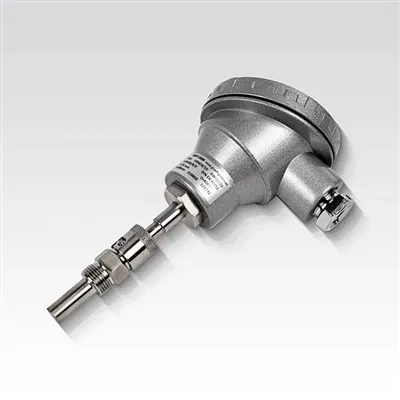
One of the most critical factors is the temperature range that the transmitter can handle. Different large-scale applications require different temperature levels. For example, in some plastic extrusion processes, the melt might reach temperatures as high as 400°C (752°F), while in others, it could be around 200°C (392°F). You need to choose a transmitter that can accurately measure these temperatures without getting damaged. Our Extruder Melt Temperature Transmitter is designed to handle a wide range of temperatures, making it suitable for various large-scale extrusion applications.
2. Accuracy
Accuracy is another key consideration. In large-scale production, even a small error in temperature measurement can lead to significant quality issues. You want a transmitter that can provide precise readings consistently. Look for transmitters with a high accuracy rating, usually expressed as a percentage of the full-scale reading. For instance, a transmitter with an accuracy of ±0.5% will give you more reliable results compared to one with ±1%. Our Integrated Melt Temperature Transmitter is known for its high accuracy, ensuring that you get the most precise temperature measurements for your large-scale operations.
3. Response Time
In fast-paced large-scale applications, the response time of the transmitter is crucial. It refers to how quickly the transmitter can detect and report changes in temperature. A fast response time allows you to make timely adjustments to the heating or cooling systems, preventing any potential issues. For example, in an injection molding process where the melt is injected into a mold at high speed, a slow response time could result in inconsistent part quality. Our transmitters are designed with a fast response time, enabling you to keep up with the demands of your large-scale production.
4. Compatibility
You also need to consider the compatibility of the transmitter with your existing equipment. It should be able to integrate seamlessly with your control systems, such as programmable logic controllers (PLCs) or distributed control systems (DCSs). Check the output signals of the transmitter, such as 4 - 20 mA or 0 - 10 V, and make sure they are compatible with the input requirements of your control system. Our Melt Temperature Sensor for Extrusion is designed to be highly compatible with a wide range of control systems, making it easy to integrate into your existing setup.
5. Durability
Large-scale applications often involve harsh environments, including high pressures, vibrations, and exposure to chemicals. Therefore, the durability of the transmitter is essential. Look for transmitters that are made from high-quality materials and have a robust construction. They should be able to withstand the rigors of continuous operation without failing. Our transmitters are built to last, with features like stainless steel housings and protective coatings to resist corrosion and damage.
6. Cost
Of course, cost is always a factor in any purchasing decision. However, it's important not to sacrifice quality for a lower price. While it might be tempting to go for the cheapest option, a low-quality transmitter could end up costing you more in the long run due to frequent replacements and production downtime. Instead, look for a transmitter that offers a good balance between cost and performance. Our products are competitively priced, providing you with high-quality solutions at an affordable price.
Additional Features to Look For
1. Calibration
Calibration is the process of adjusting the transmitter to ensure that it provides accurate readings. Look for transmitters that are easy to calibrate and come with clear instructions. Some transmitters even offer self-calibration features, which can save you time and effort.
2. Alarm Function
An alarm function can be very useful in large-scale applications. It can alert you when the temperature goes outside the set range, allowing you to take immediate action. This can help prevent costly production errors and equipment damage.
3. Remote Monitoring
In today's digital age, remote monitoring capabilities are becoming increasingly important. With remote monitoring, you can access the temperature data from your transmitter anywhere, at any time, using a computer or mobile device. This allows you to keep an eye on your production process even when you're not on-site.


Making the Decision
Once you've considered all the factors and features, it's time to make a decision. Take the time to compare different transmitters and read reviews from other users. You can also reach out to our team of experts for advice and recommendations. We have years of experience in the industry and can help you find the perfect melt temperature transmitter for your large-scale application.
Contact Us for Purchasing
If you're interested in purchasing a melt temperature transmitter for your large-scale application, we'd love to hear from you. Our team of experts is ready to assist you with any questions you may have and guide you through the purchasing process. Whether you're looking for a high-temperature transmitter for a specific application or need a transmitter that's compatible with your existing equipment, we have the solutions you need.
References
- "Industrial Temperature Measurement Handbook", by John Doe
- "Plastics Processing Technology", by Jane Smith
- "Advanced Control Systems for Manufacturing", by Bob Johnson