How to install an electromagnetic flowmeter in a low - flow application?
Leave a message

Installing an electromagnetic flowmeter in a low-flow application requires careful planning and execution. As a supplier of electromagnetic flowmeters, I've witnessed firsthand the importance of a proper installation to ensure accurate and reliable flow measurement. In this blog post, I'll share some key steps and considerations for installing an electromagnetic flowmeter in a low-flow scenario.


Understanding Low-Flow Applications
Low-flow applications typically involve fluid flow rates that are significantly lower than the standard or normal operating range of most flowmeters. These applications can be found in various industries, such as pharmaceuticals, food and beverage, and laboratory settings. In these scenarios, accurate flow measurement is crucial for process control, quality assurance, and cost management.
Electromagnetic flowmeters, like our LDG Electromagnetic Flowmeter, are well-suited for low-flow applications due to their high accuracy, wide turndown ratio, and ability to measure conductive fluids. However, proper installation is essential to achieve optimal performance.
Pre-Installation Considerations
Before installing an electromagnetic flowmeter, it's important to conduct a thorough assessment of the application and the installation site. Here are some key considerations:
Fluid Properties
- Conductivity: Electromagnetic flowmeters require the fluid to be conductive. The minimum conductivity required depends on the specific flowmeter model. Make sure the fluid's conductivity meets the flowmeter's specifications.
- Viscosity: High-viscosity fluids can affect the flow profile and measurement accuracy. If the fluid has a high viscosity, consider using a flowmeter with a larger diameter or a special design to accommodate the viscosity.
- Temperature and Pressure: Ensure that the fluid temperature and pressure are within the flowmeter's operating range. Extreme temperatures or pressures can cause damage to the flowmeter or affect its performance.
Pipe System
- Pipe Size and Material: The flowmeter should be installed in a pipe with a diameter that matches the flowmeter's specifications. The pipe material should also be compatible with the fluid and the flowmeter. For example, some fluids may require a non-metallic pipe to prevent corrosion.
- Pipe Orientation: The flowmeter should be installed in a straight section of the pipe to ensure a uniform flow profile. The recommended straight pipe length upstream and downstream of the flowmeter depends on the flowmeter model and the pipe diameter. Generally, a minimum of 5-10 pipe diameters upstream and 2-3 pipe diameters downstream is recommended.
- Pipe Condition: The pipe should be clean and free of debris, scale, or other contaminants that could affect the flow measurement. If the pipe is dirty, it may be necessary to clean it before installing the flowmeter.
Installation Location
- Accessibility: The flowmeter should be installed in a location that is easily accessible for maintenance and calibration. Avoid installing the flowmeter in areas with limited space or difficult-to-reach locations.
- Environmental Conditions: The installation location should be protected from extreme temperatures, humidity, vibration, and electromagnetic interference. If the flowmeter is installed outdoors, it may be necessary to provide a protective enclosure.
Installation Steps
Once you've completed the pre-installation considerations, you can proceed with the installation of the electromagnetic flowmeter. Here are the general steps:
Step 1: Prepare the Pipe
- Cut the Pipe: Cut the pipe to the appropriate length to accommodate the flowmeter. Make sure the pipe ends are clean and square.
- Deburr the Pipe: Remove any burrs or sharp edges from the pipe ends to prevent damage to the flowmeter gaskets.
- Clean the Pipe: Clean the inside of the pipe to remove any debris, scale, or other contaminants.
Step 2: Install the Flowmeter
- Position the Flowmeter: Place the flowmeter in the pipe section, aligning it with the pipe flanges. Make sure the flow direction arrow on the flowmeter matches the actual flow direction in the pipe.
- Install the Gaskets: Place the gaskets between the flowmeter flanges and the pipe flanges. Make sure the gaskets are properly seated and aligned.
- Tighten the Bolts: Use a torque wrench to tighten the bolts evenly around the flanges. Follow the torque specifications provided by the flowmeter manufacturer to ensure a proper seal.
Step 3: Connect the Wiring
- Electrical Connections: Connect the flowmeter's electrical wiring according to the wiring diagram provided by the manufacturer. Make sure the connections are secure and properly insulated.
- Grounding: Proper grounding is essential for the accurate operation of the flowmeter. Connect the flowmeter's grounding wire to a suitable ground point.
Step 4: Test the Installation
- Leak Test: After the flowmeter is installed, perform a leak test to check for any leaks at the flanges or connections. Use a pressure test or a soap solution to detect leaks.
- Flow Test: Once the leak test is successful, perform a flow test to verify the flowmeter's operation. Start the flow and monitor the flowmeter's output to ensure it is reading accurately.
Troubleshooting and Maintenance
Even with a proper installation, issues may arise during the operation of the electromagnetic flowmeter. Here are some common problems and troubleshooting tips:
No Flow Reading
- Check the Power Supply: Make sure the flowmeter is properly powered and the power supply is within the specified range.
- Check the Wiring: Inspect the wiring for any loose connections, damaged wires, or incorrect wiring.
- Check the Fluid Conductivity: If the fluid conductivity is below the minimum required, the flowmeter may not be able to detect the flow. Check the fluid conductivity and make sure it meets the flowmeter's specifications.
Inaccurate Flow Reading
- Check the Flow Profile: Make sure the flowmeter is installed in a straight section of the pipe with sufficient straight pipe length upstream and downstream. A non-uniform flow profile can cause inaccurate flow readings.
- Check the Calibration: If the flowmeter has been calibrated, make sure the calibration is still valid. If necessary, recalibrate the flowmeter according to the manufacturer's instructions.
- Check for Interference: Electromagnetic interference can affect the flowmeter's performance. Make sure the flowmeter is installed away from sources of electromagnetic interference, such as motors, transformers, or power lines.
Regular maintenance is also important to ensure the long-term performance of the electromagnetic flowmeter. Here are some maintenance tips:
- Clean the Flowmeter: Periodically clean the flowmeter's electrodes to remove any deposits or contaminants that could affect the flow measurement.
- Inspect the Gaskets: Check the gaskets for any signs of wear or damage. Replace the gaskets if necessary.
- Calibrate the Flowmeter:定期校准流量计,以确保其准确性。按照制造商的说明进行校准。
Conclusion
Installing an electromagnetic flowmeter in a low-flow application requires careful planning, proper installation, and regular maintenance. By following the steps and considerations outlined in this blog post, you can ensure the accurate and reliable operation of the flowmeter.
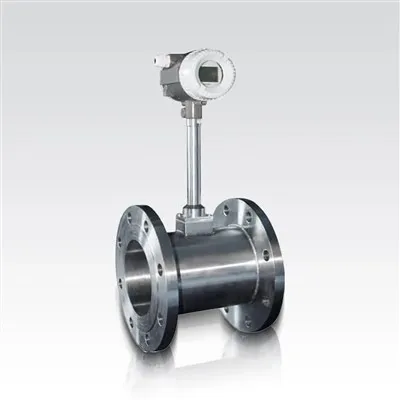
If you're considering purchasing an electromagnetic flowmeter for your low-flow application, we're here to help. Our LDG Electromagnetic Flowmeter is designed to provide high accuracy and reliability in low-flow scenarios. We also offer a range of other flowmeters, such as Vortex Flowmeter and Turbine Flow Meter, to meet your specific needs.
Contact us today to discuss your requirements and learn more about our products and services. We look forward to working with you to find the best flow measurement solution for your application.
References
- Manufacturer's installation and operation manuals for electromagnetic flowmeters.
- Industry standards and guidelines for flow measurement and installation.