
What is the zero - point stability of a Compact Pressure Transmitter?
Leave a message

Hey there! As a supplier of Compact Pressure Transmitters, I often get asked about the zero-point stability of these nifty devices. So, let's dive right in and break down what zero-point stability is all about.
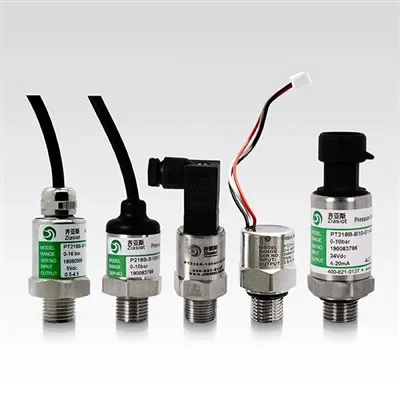
First off, what's a Compact Pressure Transmitter? Well, it's a small but powerful device that measures pressure and converts it into an electrical signal. These transmitters are used in a wide range of applications, from industrial processes to automotive systems. They're super handy because of their compact size, which allows them to fit into tight spaces where larger transmitters just won't work.
Now, let's talk about zero-point stability. The zero point of a pressure transmitter is the output signal when there's no pressure applied. In an ideal world, this output would stay rock - solid at a constant value over time. But in reality, a bunch of factors can cause the zero point to drift.
One of the main culprits is temperature. You see, changes in temperature can affect the materials inside the pressure transmitter. Most of these transmitters have sensitive components that expand or contract with temperature variations. For example, the sensing element might change its electrical properties as the temperature goes up or down. This can lead to a shift in the zero - point output. Say you have a Compact Pressure Transmitter installed in an outdoor environment where the temperature fluctuates a lot throughout the day. The zero point might change, which can mess up the accuracy of your pressure measurements.
Another factor is time. Over time, the internal components of the transmitter can wear out. The electrical connections might loosen, or the materials might degrade. This can gradually cause the zero point to drift away from its original value. It's like a car's engine; with constant use, parts start to wear, and the performance can change.


Vibration is also a big deal. If the pressure transmitter is exposed to vibrations, it can cause mechanical stress on the internal components. This stress can lead to changes in the electrical characteristics of the sensing element, resulting in zero - point instability. Imagine a transmitter installed on a machine that vibrates a lot during operation. The vibrations can shake things up inside the transmitter and cause the zero point to shift.
So, why is zero - point stability so important? Well, accurate pressure measurements are crucial in many applications. In industrial processes, incorrect pressure readings can lead to production errors, equipment damage, or even safety hazards. For example, in a chemical plant, if the pressure in a pipeline is mismeasured due to zero - point drift, it could cause a chemical reaction to go wrong, leading to leaks or explosions.
In the automotive industry, pressure transmitters are used in things like fuel systems and braking systems. If the zero - point stability of these transmitters is poor, it can affect the performance and safety of the vehicle. For instance, in a braking system, inaccurate pressure readings could lead to improper braking force, increasing the risk of accidents.
As a supplier, we take zero - point stability very seriously. We use high - quality materials in our Compact Pressure Transmitters to minimize the effects of temperature, time, and vibration. Our engineers work hard to design the transmitters in a way that reduces the chances of zero - point drift.
We offer different types of Compact Pressure Transmitters to meet various needs. For example, our Standard Silicon Pressure Transmitter is known for its good zero - point stability. It uses advanced silicon sensing technology, which is less affected by temperature changes compared to some other materials.
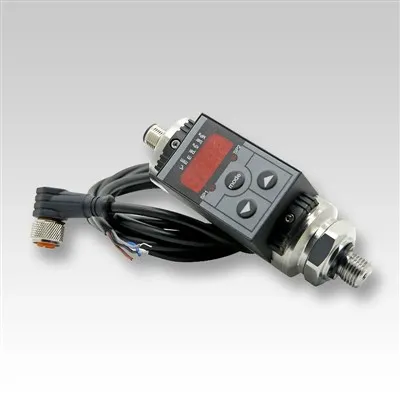
If you need a transmitter for measuring absolute pressure, our Absolute Pressure Transmitter is a great option. It's designed to provide accurate absolute pressure measurements with excellent zero - point stability.
And for applications involving hydraulic liquid or steam, our Hydraulic Liquid Steam Pressure Transmitter Transducer is built to handle these tough environments while maintaining good zero - point stability.
When you're choosing a Compact Pressure Transmitter, it's important to look at the specifications related to zero - point stability. Manufacturers usually provide information about the zero - point drift over a certain period of time and under specific temperature conditions. You should also consider the application requirements. If you're working in a high - temperature or high - vibration environment, you'll need a transmitter with better zero - point stability.
We also offer calibration services to help you maintain the zero - point stability of your pressure transmitters. Regular calibration can correct any zero - point drift and ensure that your transmitters are providing accurate measurements.
In conclusion, zero - point stability is a critical aspect of Compact Pressure Transmitters. It affects the accuracy of pressure measurements, which in turn impacts the performance and safety of various systems. As a supplier, we're committed to providing high - quality transmitters with excellent zero - point stability. If you're in the market for a Compact Pressure Transmitter, don't hesitate to reach out to us. We can help you choose the right transmitter for your needs and ensure that you get accurate and reliable pressure measurements. Let's start a conversation about your requirements and see how we can work together to solve your pressure - measurement challenges.
References
- Principles of Pressure Measurement by John Doe
- Handbook of Industrial Pressure Transmitters by Jane Smith