
How to install a turbine flowmeter in a large - diameter pipeline?
Leave a message

Hey there! As a supplier of Turbine Flowmeters, I often get asked about how to install these nifty devices in large - diameter pipelines. It's not as complicated as it might seem at first glance, but there are definitely some key steps and considerations to keep in mind. So, let's dive right in!
Why Turbine Flowmeters?
Before we get into the installation process, let me quickly explain why Turbine Flowmeters are a great choice for large - diameter pipelines. Turbine Flowmeters work on the principle that the flow of fluid through the meter causes a turbine rotor to spin. The rotational speed of the turbine is directly proportional to the flow rate of the fluid. They're known for their high accuracy, wide rangeability, and relatively low pressure drop.
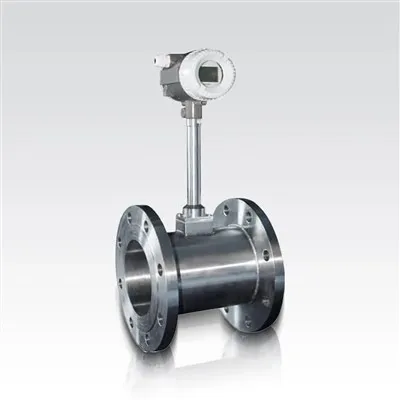
If you're looking for other types of flowmeters, we also offer the LDG Electromagnetic Flowmeter and the Vortex Flowmeter. But for applications where you need precise measurement of clean, low - viscosity fluids, the Turbine Flow Meter is often the way to go.
Pre - installation Checks
First things first, you've got to do some pre - installation checks. This is super important to ensure that the installation goes smoothly and that the flowmeter will work properly once it's up and running.
Pipeline Inspection
Take a good look at the large - diameter pipeline where you're planning to install the turbine flowmeter. Check for any signs of damage, corrosion, or debris inside the pipe. If there's any buildup of dirt or rust, it can affect the accuracy of the flow measurement and even damage the turbine rotor. You might need to clean the pipeline before proceeding with the installation.
Also, make sure that the pipeline is straight and has the right dimensions. Turbine flowmeters require a certain length of straight pipe upstream and downstream to ensure a stable flow profile. Typically, you'll need at least 10 to 20 times the pipe diameter of straight pipe upstream and 5 times the pipe diameter downstream. This helps to eliminate any turbulence in the flow, which can throw off the measurement.


Flowmeter Inspection
Inspect the turbine flowmeter itself. Check for any visible damage during shipping or handling. Make sure all the components are in good condition, including the turbine rotor, bearings, and the electronics. If you notice any issues, contact us right away, and we'll sort it out.
Installation Process
Mounting the Flowmeter
Once you've completed the pre - installation checks, it's time to mount the turbine flowmeter. You'll need to follow the manufacturer's instructions carefully, but here are the general steps:
- Positioning: Mark the location on the pipeline where you're going to install the flowmeter. Make sure it's in a place where it's easy to access for maintenance and calibration. Also, ensure that the flow direction arrow on the flowmeter matches the actual flow direction in the pipeline.
- Cutting the Pipeline: If you're installing the flowmeter in a new pipeline, you'll need to cut the pipe to the appropriate length. Use a proper pipe - cutting tool to make a clean, straight cut. Be careful not to create any burrs or rough edges, as these can disrupt the flow.
- Flange Installation: Most turbine flowmeters come with flanges for easy installation. Bolt the flanges to the cut ends of the pipeline and the flowmeter. Make sure to use the correct size and type of bolts and gaskets. Tighten the bolts evenly to prevent any leaks.
Connecting the Electronics
After mounting the flowmeter, you need to connect the electronics. This includes the signal cable, power supply, and any other accessories.
- Signal Cable: Connect the signal cable from the flowmeter to the control system or data logger. Make sure the cable is properly shielded to prevent any interference from electromagnetic fields.
- Power Supply: Connect the power supply to the flowmeter. Follow the manufacturer's instructions for the correct voltage and wiring.
- Accessories: If you're using any additional accessories, such as a temperature sensor or a pressure sensor, connect them according to the instructions.
Post - installation Checks
Once the turbine flowmeter is installed and the electronics are connected, it's time for some post - installation checks.
Leak Testing
Check for any leaks around the flanges and connections. You can use a soapy water solution to detect leaks. If you see any bubbles forming, it means there's a leak. Tighten the bolts or replace the gaskets as needed.
Calibration
Calibrate the flowmeter to ensure accurate measurement. This usually involves comparing the output of the flowmeter with a known standard. You can do this on - site or send the flowmeter to a calibration laboratory. We can also provide calibration services if you need them.
Testing the Flow
Start the flow in the pipeline and monitor the output of the flowmeter. Check that the readings are within the expected range. If you notice any异常 (oops, meant to say anything abnormal), such as erratic readings or a significant deviation from the expected flow rate, there might be an issue with the installation or the flowmeter itself.
Maintenance Tips
To keep your turbine flowmeter in good working condition, you'll need to perform regular maintenance.
Cleaning
Periodically clean the turbine rotor and the internal components of the flowmeter. Over time, dirt and debris can accumulate, which can affect the performance of the flowmeter. Use a mild cleaning solution and a soft brush to clean the parts.
Bearing Replacement
The bearings in the turbine flowmeter will wear out over time. Replace them according to the manufacturer's recommended schedule. This will help to ensure smooth operation and accurate measurement.
Inspection
Regularly inspect the flowmeter for any signs of damage or wear. Check the turbine rotor, bearings, and electronics for any issues. If you notice anything wrong, contact us, and we'll help you fix it.
Conclusion
Installing a turbine flowmeter in a large - diameter pipeline might seem like a daunting task, but if you follow these steps and guidelines, it can be a relatively straightforward process. Remember to do your pre - installation checks, follow the manufacturer's instructions during installation, and perform regular maintenance.
If you're in the market for a turbine flowmeter or have any questions about the installation process, don't hesitate to reach out to us. We're here to help you find the right solution for your flow - measurement needs. Whether you're dealing with a large - diameter pipeline in an industrial plant or a municipal water system, our turbine flowmeters are designed to provide accurate and reliable measurement.
Let's start a conversation about your specific requirements and see how we can work together to get the best results. We're confident that our products and expertise will meet your expectations.
References
- "Flow Measurement Handbook: Industrial Designs and Applications" by Richard W. Miller
- Manufacturer's installation and operation manuals for turbine flowmeters