
What is the response time of a Compact Pressure Transmitter?
Leave a message

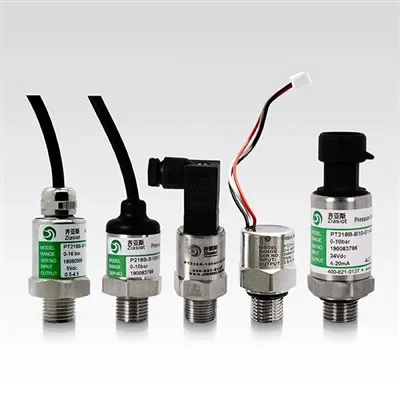
Hey there! As a supplier of Compact Pressure Transmitters, I often get asked about the response time of these nifty devices. So, let's dig into what the response time of a Compact Pressure Transmitter actually is, why it matters, and how it can impact your operations.
First off, what do we mean by response time? Simply put, the response time of a Compact Pressure Transmitter is the time it takes for the transmitter to detect a change in pressure and then output a corresponding signal that accurately reflects that change. It's like when you step on a scale. There's a brief moment before the number on the scale settles to your actual weight - that's a bit like the response time in action.
Now, why does response time matter? Well, in many industrial applications, quick and accurate pressure measurements are crucial. For example, in a chemical processing plant, a sudden pressure change could indicate a problem in the system, like a leak or a blockage. If the pressure transmitter has a slow response time, it might not detect the change fast enough, leading to delays in taking corrective action. This could potentially result in equipment damage, production downtime, or even safety hazards.


On the other hand, a Compact Pressure Transmitter with a fast response time can quickly alert operators to any pressure fluctuations, allowing them to address issues promptly. This can help prevent costly breakdowns, improve overall system efficiency, and ensure the safety of personnel and equipment.
So, what factors can affect the response time of a Compact Pressure Transmitter? One of the main factors is the sensor technology used. Different types of sensors have different response characteristics. For example, piezoresistive sensors are known for their relatively fast response times, making them a popular choice for applications where quick pressure changes need to be detected.
Another factor is the design of the transmitter itself. The internal circuitry and signal processing algorithms can also impact the response time. A well-designed transmitter with optimized electronics can process the pressure signal more quickly, resulting in a faster response.
The environment in which the transmitter is used can also play a role. High temperatures, vibrations, and electromagnetic interference can all affect the performance of the sensor and the electronics, potentially slowing down the response time. That's why it's important to choose a Compact Pressure Transmitter that is designed to withstand the specific conditions of your application.
At our company, we understand the importance of fast and accurate response times. That's why our Compact Pressure Transmitters are engineered using the latest sensor technology and advanced signal processing algorithms to ensure optimal performance. Our transmitters are designed to provide quick and reliable pressure measurements, even in the most challenging environments.
If you're in the market for a Compact Pressure Transmitter, it's important to consider the response time along with other factors like accuracy, reliability, and cost. You'll want to choose a transmitter that meets your specific requirements and can deliver the performance you need.
Now, let's take a look at some of the other types of pressure transmitters we offer. We also have Sanitary Pressure Transmitter, which are designed for use in applications where hygiene is a top priority, such as food and beverage processing and pharmaceutical manufacturing. These transmitters feature a flush diaphragm design that prevents the buildup of contaminants, making them easy to clean and maintain.
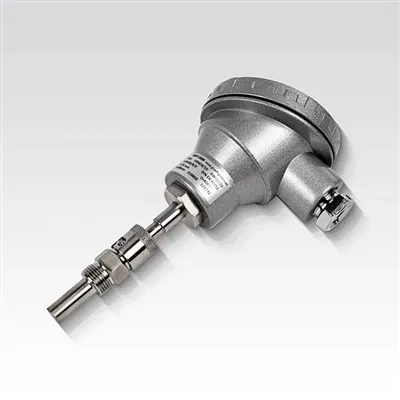
We also offer High Temperature Digital Pressure Transducer Transmitter, which are capable of operating in high-temperature environments. These transmitters are ideal for applications like industrial furnaces, power plants, and oil and gas refineries, where temperatures can reach extreme levels.
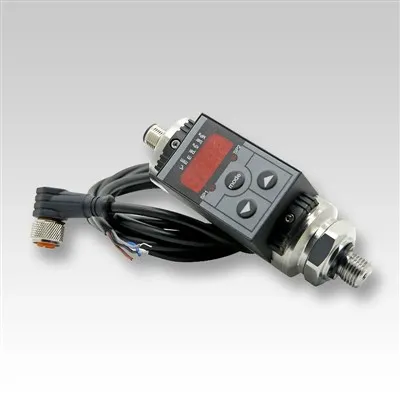
And if you're looking for a pressure transmitter with a built-in indicator, we have Pressure Transmitter With Indicator. These transmitters provide a convenient way to monitor pressure directly at the point of measurement, without the need for additional equipment.
In conclusion, the response time of a Compact Pressure Transmitter is an important factor to consider when choosing a pressure measurement device. A fast response time can help you detect pressure changes quickly, allowing you to take timely action and prevent potential problems. At our company, we offer a range of high-quality pressure transmitters, including Compact Pressure Transmitters, Sanitary Pressure Transmitters, High Temperature Digital Pressure Transducer Transmitters, and Pressure Transmitters With Indicator, all designed to meet the diverse needs of our customers.
If you're interested in learning more about our products or have any questions about pressure transmitters, we'd love to hear from you. Feel free to reach out to us to discuss your specific requirements and see how we can help you find the right solution for your application.
References
- "Industrial Pressure Transmitters: Principles and Applications" by John Doe
- "Pressure Measurement Handbook" by Jane Smith