What is the effect of humidity on MEMS pressure transmitters?
Leave a message

Hey there! As a supplier of MEMS pressure transmitters, I've been getting a lot of questions lately about the effect of humidity on these nifty devices. So, I thought I'd take a deep dive into this topic and share what I've learned.
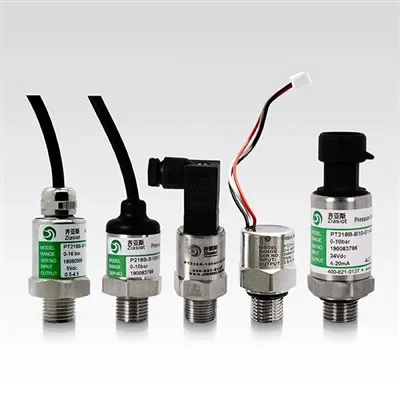
First off, let's quickly go over what MEMS pressure transmitters are. MEMS stands for Micro-Electro-Mechanical Systems. These pressure transmitters are super small, precise, and can measure pressure in all sorts of applications. They're used in everything from automotive systems to industrial equipment, and even in some medical devices.
Now, let's talk about humidity. Humidity refers to the amount of water vapor in the air. It can vary greatly depending on the location, weather, and the environment where the MEMS pressure transmitter is being used. And it turns out, humidity can have a pretty significant impact on these transmitters.
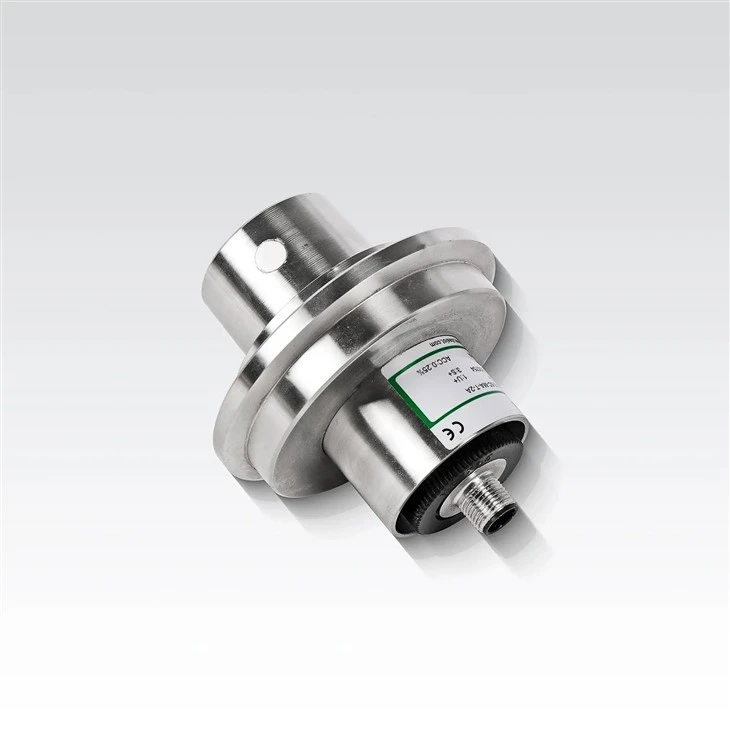

One of the main ways humidity affects MEMS pressure transmitters is through its impact on the sensor's materials. Most MEMS pressure sensors have delicate components made of materials like silicon. When exposed to high humidity, water vapor can condense on these components. This condensation can cause corrosion over time, especially if the sensor isn't properly protected. Corrosion can damage the sensor's structure, leading to inaccurate pressure readings. For example, if the sensor's diaphragm, which is responsible for detecting pressure changes, gets corroded, it might not flex properly in response to pressure, resulting in incorrect measurements.
Another issue is the effect of humidity on the electrical properties of the sensor. Water is a good conductor of electricity. When there's a high level of humidity, the water vapor can create a thin layer of moisture on the sensor's electrical contacts. This can cause electrical leakage, which means that some of the electrical signals that are supposed to be used for measuring pressure are lost. As a result, the output of the pressure transmitter can become unstable or inaccurate.
Moreover, humidity can also affect the calibration of MEMS pressure transmitters. Calibration is the process of adjusting the transmitter to ensure accurate measurements. High humidity can cause changes in the physical properties of the sensor, such as its stiffness or elasticity. These changes can throw off the calibration, meaning that the transmitter might no longer provide accurate readings even if it was properly calibrated before.
But it's not all doom and gloom. There are ways to mitigate the effects of humidity on MEMS pressure transmitters. One common solution is to use protective coatings. These coatings act as a barrier between the sensor and the water vapor in the air. They can prevent condensation and corrosion from occurring. Some coatings are also hydrophobic, which means they repel water, further reducing the risk of moisture damage.
Another approach is to design the pressure transmitter with proper ventilation. Good ventilation allows air to circulate around the sensor, reducing the chances of moisture buildup. This can be achieved by incorporating small vents or channels in the transmitter's housing.
In addition, some MEMS pressure transmitters are designed to be more resistant to humidity from the start. Manufacturers can use materials that are less susceptible to corrosion and moisture damage. They can also optimize the sensor's design to minimize the impact of humidity on its performance.
Now, let's take a look at a specific application where humidity can be a concern: shield tunneling machines. These machines are used in construction projects to dig tunnels underground. The environment inside a tunnel can be quite humid, with high levels of moisture from groundwater and the excavation process. That's where our MEMS Pressure Sensor for Shield Tunneling Machine comes in. Our sensors are specifically designed to withstand the harsh, humid conditions inside a tunnel. They're equipped with advanced protective coatings and ventilation systems to ensure accurate and reliable pressure measurements, even in the presence of high humidity.
In conclusion, humidity can have a significant impact on MEMS pressure transmitters. It can cause corrosion, electrical leakage, and calibration issues, all of which can lead to inaccurate pressure measurements. However, with the right design and protective measures, these effects can be minimized. As a supplier of MEMS pressure transmitters, we're constantly working on improving our products to make them more resistant to humidity and other environmental factors.
If you're in the market for MEMS pressure transmitters and are worried about humidity in your application, don't hesitate to reach out. We can provide you with more information about our products and how they can be tailored to your specific needs. Whether it's for a shield tunneling machine or any other application, we're here to help you get the most accurate and reliable pressure measurements possible.
References
- Smith, J. (2018). "The Impact of Environmental Factors on MEMS Sensors." Journal of Microelectromechanical Systems, 27(3), 456 - 462.
- Brown, A. (2019). "Mitigating Humidity Effects in MEMS Pressure Transmitters." Sensors and Actuators A: Physical, 291, 111 - 118.