
Can MEMS pressure transmitters be used in textile industry?
Leave a message

Hey there! I'm a supplier of MEMS pressure transmitters, and today I want to chat about whether these nifty devices can be used in the textile industry.
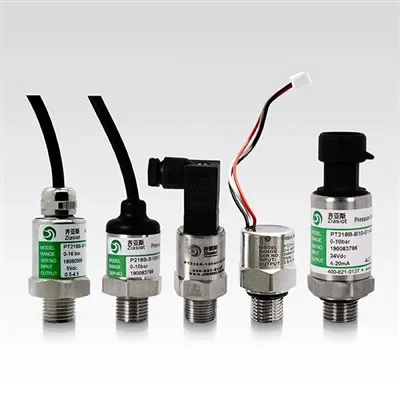
First off, let's get a bit of background on MEMS pressure transmitters. MEMS stands for Micro - Electro - Mechanical Systems. These pressure transmitters are super cool because they're small, accurate, and can be made at a relatively low cost. They work by converting pressure into an electrical signal, which can then be used for various monitoring and control purposes.
Now, let's look at the textile industry. It's a huge and diverse field that involves everything from spinning fibers to weaving and dyeing fabrics. There are a lot of processes going on in a textile factory, and many of them could potentially benefit from the use of MEMS pressure transmitters.
1. Spinning Process
In the spinning process, fibers are drawn out and twisted to form yarn. One of the key factors here is the tension in the fibers. If the tension is too high, the fibers might break; if it's too low, the yarn won't have the right strength. MEMS pressure transmitters can be used to measure the pressure exerted on the fibers during the spinning process. By accurately monitoring this pressure, manufacturers can adjust the tension in real - time, ensuring a consistent and high - quality yarn production.
For example, let's say you're spinning a delicate silk fiber. The pressure on the fiber needs to be just right to avoid damage. A MEMS pressure transmitter can provide precise readings, allowing the spinning machine to make small adjustments automatically. This not only improves the quality of the silk yarn but also reduces waste.
2. Dyeing and Finishing
The dyeing and finishing processes in the textile industry also involve a lot of pressure - related operations. In a dyeing vat, for instance, the pressure of the dye solution needs to be maintained at a certain level to ensure even dye penetration into the fabric. MEMS pressure transmitters can be installed in the dyeing equipment to monitor the pressure of the dye solution. If the pressure drops or rises unexpectedly, the system can quickly detect it and take corrective action.
In addition, during the finishing process, such as calendaring (where the fabric is passed through heated rollers to give it a smooth finish), the pressure between the rollers is crucial. A MEMS pressure transmitter can help in maintaining the optimal pressure, which in turn affects the appearance and feel of the final fabric.
3. Air Handling Systems
Textile factories have extensive air handling systems to control the temperature, humidity, and air quality. These systems often use fans and ducts to move air around the facility. The pressure in the air ducts needs to be carefully regulated to ensure efficient operation. MEMS pressure transmitters can be used to monitor the pressure in the air ducts. If there's a blockage or a malfunction in the system, the pressure readings will change, and the maintenance team can be alerted immediately.
This is important because proper air handling is essential for the health and safety of the workers in the factory, as well as for the quality of the textile products. For example, if the air quality is poor, it can cause problems like static electricity in the fibers, which can lead to uneven dyeing or other quality issues.

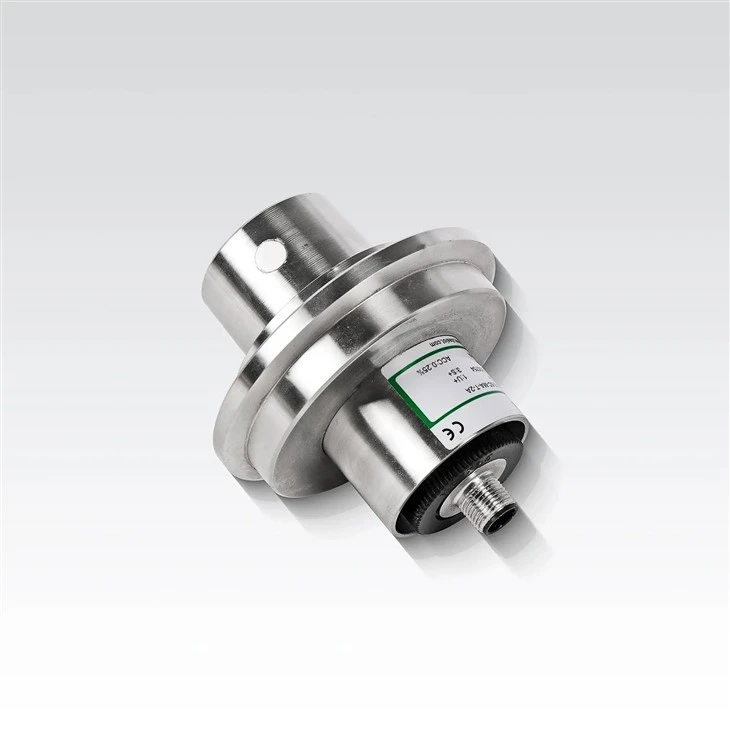
Advantages of Using MEMS Pressure Transmitters in the Textile Industry
- Accuracy: MEMS pressure transmitters are known for their high accuracy. In a textile process where even small variations in pressure can have a big impact on the product quality, this accuracy is a huge advantage.
- Size: Their small size makes them easy to install in tight spaces, such as inside spinning machines or dyeing vats. You don't have to worry about taking up too much room in your factory equipment.
- Cost - Effectiveness: Since they can be mass - produced, MEMS pressure transmitters are relatively inexpensive compared to some other types of pressure sensors. This means that textile manufacturers can install multiple sensors throughout their facilities without breaking the bank.
Challenges and Considerations
Of course, there are also some challenges and considerations when using MEMS pressure transmitters in the textile industry.
- Environmental Conditions: Textile factories can be harsh environments, with high humidity, dust, and chemicals. MEMS pressure transmitters need to be able to withstand these conditions. Some transmitters are designed with special coatings or enclosures to protect them from moisture and dust.
- Compatibility: The MEMS pressure transmitters need to be compatible with the existing equipment in the textile factory. This might require some modifications or the use of appropriate interfaces.
Now, if you're interested in exploring how MEMS pressure transmitters can be used in your textile business, I'd love to have a chat. I can provide you with more information about our products and how they can be customized to meet your specific needs. You can also check out our MEMS Pressure Sensor for Shield Tunneling Machine to get an idea of the quality and capabilities of our MEMS technology.
If you're looking to improve the efficiency and quality of your textile production processes, don't hesitate to reach out. Let's have a conversation about how MEMS pressure transmitters can make a difference in your factory. Whether it's for spinning, dyeing, or air handling, we've got the solutions you need.
References
- Smith, J. (2020). Introduction to MEMS Technology. Publisher X.
- Brown, A. (2019). Textile Manufacturing Processes. Publisher Y.