
What is the difference between a pressure gauge and a pressure switch?
Leave a message

Hey there! As a supplier of pressure gauges, I often get asked about the difference between a pressure gauge and a pressure switch. It's a common question, and I'm here to break it down for you in a way that's easy to understand.
Let's start with the basics. A pressure gauge is a device that measures the pressure of a fluid or gas in a system. It gives you a visual indication of the pressure level, usually in units like pounds per square inch (psi), bar, or kilopascals (kPa). Pressure gauges come in different types, such as analog and digital.
Analog pressure gauges have a needle that moves across a dial to show the pressure reading. They're simple, reliable, and widely used in many industries. On the other hand, digital pressure gauges display the pressure reading on a screen, which can be easier to read, especially in low - light conditions. They also often have additional features like data logging and the ability to switch between different units of measurement.
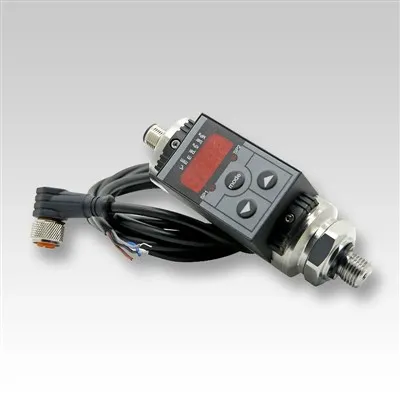
For example, we offer Digital Melt Presssure Gauges which are great for applications where you need accurate and precise pressure measurements in a digital format. These gauges are designed to handle the high - pressure and high - temperature conditions often found in melt processes.


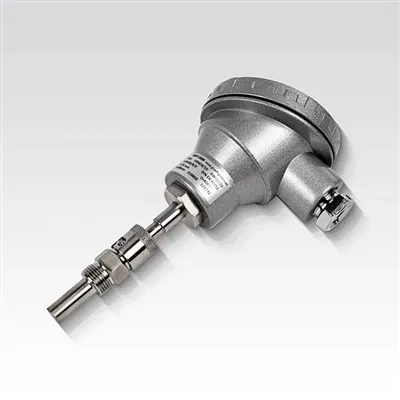
Another type we have is the High Temperature Mechanical Melt Presssure Gauges. These are analog gauges built to withstand extremely high temperatures. They use mechanical components to measure and display the pressure, making them a durable option for harsh industrial environments.
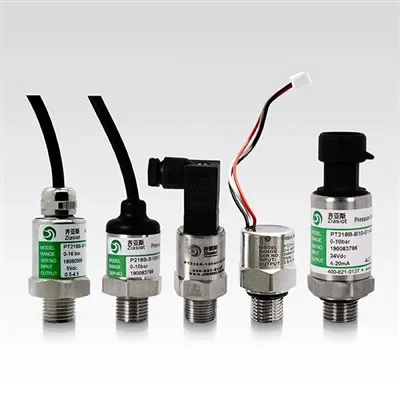
Now, let's talk about pressure switches. A pressure switch is a device that monitors the pressure in a system and activates or deactivates an electrical circuit when the pressure reaches a pre - set level. In simple terms, it's like a traffic light for your pressure system. When the pressure goes above or below a certain point, the switch flips, and it can trigger an action, like turning on a pump or shutting down a machine.
The main difference between a pressure gauge and a pressure switch is their function. A pressure gauge is all about providing information. It tells you what the pressure is at any given moment. You can use it to monitor the normal operation of a system, detect changes in pressure, and make adjustments as needed.
A pressure switch, on the other hand, is about control. It takes action based on the pressure level. For instance, in a water tank system, a pressure switch can be set to turn on the water pump when the pressure in the tank drops below a certain level. Once the tank is filled and the pressure reaches the upper set point, the switch turns off the pump.
Let's look at some real - world scenarios to understand this better. In an air compressor system, a pressure gauge will show you the current air pressure in the tank. You can use this information to see if the compressor is working properly and if the pressure is within the safe operating range. A pressure switch in the same system, however, will turn the compressor on when the pressure drops too low and turn it off when the pressure gets too high.
In a refrigeration system, a pressure gauge helps technicians monitor the refrigerant pressure. This is important because incorrect pressure can lead to inefficient cooling or even damage to the system. A pressure switch in the refrigeration system can be used to protect the compressor. If the pressure gets too high or too low, the switch will cut off the power to the compressor to prevent damage.
We also have Vacuum Digital Pressure Gauge in our product line. These are specialized gauges for measuring vacuum pressure. They are useful in applications like vacuum packaging, vacuum furnaces, and semiconductor manufacturing.
When it comes to choosing between a pressure gauge and a pressure switch, it really depends on your needs. If you just need to know what the pressure is in a system, a pressure gauge is the way to go. It gives you continuous, real - time information about the pressure level.
However, if you need to automate a process based on pressure, a pressure switch is essential. It allows you to control the operation of equipment and ensure that your system runs safely and efficiently.
In some cases, you might even need both. For example, in a complex industrial process, you could use a pressure gauge to monitor the pressure and a pressure switch to control the equipment. This way, you can keep an eye on the pressure and have an automated safety mechanism in place.
If you're in the market for pressure gauges or pressure switches, we've got you covered. Our products are known for their quality, accuracy, and durability. We've been in the business for a long time, and we understand the different needs of various industries. Whether you're in manufacturing, food processing, or any other field that requires pressure measurement and control, we can provide you with the right solutions.
If you're interested in learning more about our products or have any questions about pressure gauges and pressure switches, feel free to reach out. We're here to help you make the best choice for your specific application. Let's start a conversation and see how we can meet your pressure measurement and control needs.
References:
- Various industry standards and guidelines for pressure measurement and control.
- Manufacturer's documentation for pressure gauges and pressure switches.