What is the abrasion resistance of an electromagnetic flowmeter?
Leave a message

What is the abrasion resistance of an electromagnetic flowmeter?
Hey there! I'm a supplier of electromagnetic flowmeters, and today I want to chat about the abrasion resistance of these nifty devices. Electromagnetic flowmeters are widely used in various industries to measure the flow rate of conductive fluids. But when it comes to environments where there's a risk of abrasion, it's crucial to understand how well these flowmeters can hold up.
First off, let's talk about what abrasion resistance actually means in the context of an electromagnetic flowmeter. Abrasion is the process of wearing away a material's surface due to friction or contact with solid particles in the fluid being measured. In industrial settings, fluids can carry all sorts of abrasive substances like sand, gravel, or other hard particles. If an electromagnetic flowmeter isn't designed to handle this kind of wear and tear, it can lead to a whole host of problems.
One of the main components of an electromagnetic flowmeter that's at risk of abrasion is the liner. The liner is the inner part of the flow tube that comes into direct contact with the fluid. It serves several important functions, including protecting the electrodes from corrosion and ensuring accurate flow measurement. Different liner materials have different levels of abrasion resistance.
For example, rubber liners are commonly used in electromagnetic flowmeters. They're relatively soft and flexible, which can make them more resistant to impact from solid particles. However, they may not be the best choice for highly abrasive fluids because they can wear down over time. On the other hand, PTFE (polytetrafluoroethylene) liners are known for their chemical resistance, but they're not as abrasion - resistant as some other materials.
A better option for applications with abrasive fluids is a ceramic liner. Ceramics are extremely hard and have excellent abrasion resistance. They can withstand the constant rubbing and scraping from solid particles in the fluid without significant wear. This means that a flowmeter with a ceramic liner can maintain its accuracy and performance for a longer time in harsh, abrasive environments.
Another factor that affects the abrasion resistance of an electromagnetic flowmeter is the flow velocity of the fluid. Higher flow velocities mean that solid particles in the fluid will hit the liner and other internal components with more force. This can accelerate the abrasion process. So, when selecting an electromagnetic flowmeter for an abrasive application, it's important to consider the expected flow velocity and choose a meter that can handle it.


In addition to the liner, the electrodes of an electromagnetic flowmeter can also be affected by abrasion. The electrodes are responsible for detecting the electrical signal generated by the flowing conductive fluid. If the electrodes are worn down due to abrasion, it can lead to inaccurate flow measurements. Some flowmeters are designed with special electrode coatings or materials that are more resistant to abrasion.
Now, you might be wondering how our company's electromagnetic flowmeters stack up in terms of abrasion resistance. Well, we offer a range of options to suit different applications. Our LDG Electromagnetic Flowmeter is designed with high - quality liners and electrodes that provide good abrasion resistance. Whether you're dealing with mildly abrasive fluids or more challenging industrial slurries, we have a solution for you.
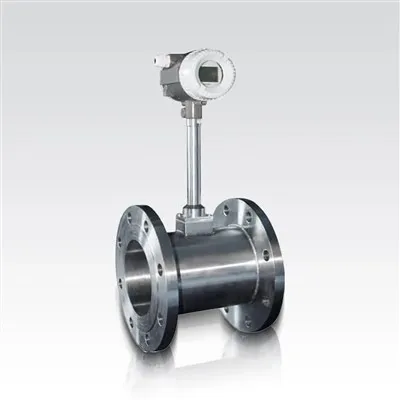
But electromagnetic flowmeters aren't the only type of flowmeters out there. There are also Vortex Flowmeters and Turbine Flow Meters. Vortex flowmeters work by measuring the frequency of vortices created by a bluff body in the fluid flow. Turbine flow meters, as the name suggests, use a turbine that rotates as the fluid passes through it. While these types of flowmeters have their own advantages, they may not be as well - suited for highly abrasive applications as electromagnetic flowmeters.
When it comes to choosing the right flowmeter for your abrasive application, it's important to consider several factors. Besides abrasion resistance, you need to think about the type of fluid, its conductivity, the required flow range, and the accuracy you need. Our team of experts is always here to help you make the right choice.
We understand that every industrial process is unique, and you need a flowmeter that can perform reliably in your specific environment. That's why we offer customized solutions. We can work with you to select the right liner material, electrode type, and other features to ensure that your electromagnetic flowmeter has the best possible abrasion resistance.
If you're in the market for a flowmeter and are concerned about abrasion, don't hesitate to reach out to us. We can provide you with detailed information about our products, answer your questions, and even offer a demonstration if needed. We believe in building long - term relationships with our customers, and we're committed to providing you with the best flow measurement solutions.
In conclusion, abrasion resistance is a crucial factor to consider when using an electromagnetic flowmeter in abrasive environments. By choosing the right liner material, electrode design, and considering the flow velocity, you can ensure that your flowmeter will last longer and provide accurate measurements. And if you're looking for a reliable supplier of electromagnetic flowmeters, we're here to help. So, let's start a conversation and see how we can meet your flow measurement needs.
References:
- "Flow Measurement Handbook" by Richard W. Miller
- Industry standards and guidelines for flowmeter selection and application.