
Can a temperature switch be used for both heating and cooling applications?
Leave a message

Hey there! As a supplier of temperature switches, I often get asked a really common question: "Can a temperature switch be used for both heating and cooling applications?" Well, let's dive right into this topic and find out.
First off, let's understand what a temperature switch is. In simple terms, a temperature switch is a device that automatically turns on or off an electrical circuit when it reaches a pre - set temperature. It's like a little guard that keeps an eye on the temperature and takes action when needed.
Now, the short answer to whether a temperature switch can be used for both heating and cooling is yes, in many cases. But, as with most things in the technical world, there are some details to consider.
How Temperature Switches Work for Heating and Cooling
Let's start with heating applications. When you're using a temperature switch for heating, it's set up to turn on the heating system when the temperature drops below a certain level. For example, in a home heating system, the temperature switch might be set to turn on the furnace when the indoor temperature falls below 68°F (20°C). Once the temperature rises to the desired level, say 72°F (22°C), the switch turns off the furnace.
On the cooling side, the principle is similar but reversed. In an air - conditioning system, the temperature switch will turn on the AC unit when the temperature rises above a set point. If your room gets too hot, say above 75°F (24°C), the switch activates the AC. When the temperature cools down to, let's say 72°F (22°C), it shuts off the AC.
Types of Temperature Switches Suitable for Both
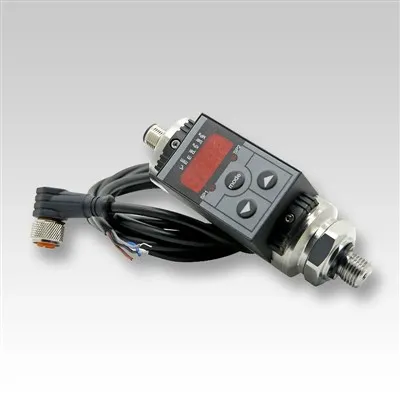
There are different types of temperature switches that can handle both heating and cooling. One popular option is the Digital Temperature Switch. Digital temperature switches are really versatile. They allow you to set precise temperature thresholds for both heating and cooling. You can program them to turn on and off at specific temperatures, which gives you a lot of control over your heating and cooling systems.
Another great choice is the Electronic Intellegent Digital Temperature Switch. These switches are not only digital but also come with intelligent features. They can learn your temperature preferences over time and adjust the on - off cycles accordingly. This makes them ideal for both heating and cooling applications, as they can optimize energy usage while keeping your environment at a comfortable temperature.
The Smart Digital Automatic Temperature Switch is also worth mentioning. As the name suggests, it's smart and automatic. It can connect to your home automation system, allowing you to control the heating and cooling remotely. You can adjust the temperature settings from your phone or other smart devices, which is super convenient.
Factors to Consider
While many temperature switches can be used for both heating and cooling, there are a few factors you need to keep in mind.
Temperature Range: Different heating and cooling systems operate within different temperature ranges. For example, a refrigerator cooling system might need a temperature switch that can handle very low temperatures, while a home heating system works at more moderate temperatures. Make sure the temperature switch you choose has a suitable temperature range for your specific application.
Response Time: The response time of a temperature switch is crucial. In a cooling system, you want the switch to quickly detect a rise in temperature and turn on the AC. Similarly, in a heating system, it should respond promptly when the temperature drops. Some switches are designed to have faster response times than others, so this is something to consider.
Reliability: You don't want your temperature switch to malfunction. A faulty switch can lead to overheating or over - cooling, which can be a safety hazard and also increase your energy costs. Look for switches from reliable manufacturers and check for things like durability and long - term performance.
Advantages of Using One Switch for Both
Using a single temperature switch for both heating and cooling has several advantages.
Cost - Effective: Buying one switch instead of two separate ones for heating and cooling can save you money. You also save on installation costs, as you only need to install one device.
Simplified Control: Having one switch means you have a single point of control for your heating and cooling systems. It's easier to manage and adjust the temperature settings, and you don't have to worry about coordinating two different switches.
Energy Efficiency: Many modern temperature switches are designed to optimize energy usage. By using one switch for both heating and cooling, you can ensure that your systems are running as efficiently as possible, which can lead to lower energy bills.
Real - World Examples
Let's take a look at some real - world examples of how temperature switches are used for both heating and cooling.
In a commercial building, a temperature switch can be used to control the HVAC (Heating, Ventilation, and Air Conditioning) system. During the winter, it turns on the heating system when the temperature drops, and in the summer, it activates the cooling system when it gets too hot. This helps maintain a comfortable environment for employees and customers while also saving energy.
In a greenhouse, a temperature switch can be used to regulate the temperature. In cold weather, it turns on heaters to keep the plants warm. In hot weather, it activates fans or cooling systems to prevent the plants from overheating.
Conclusion
So, to sum it up, yes, a temperature switch can definitely be used for both heating and cooling applications. There are various types of switches available, like the Digital Temperature Switch, Electronic Intellegent Digital Temperature Switch, and Smart Digital Automatic Temperature Switch, that offer the flexibility and features needed for both functions.
If you're in the market for a temperature switch for your heating and cooling needs, we're here to help. We offer a wide range of high - quality temperature switches that are suitable for various applications. Whether you're a homeowner looking to upgrade your home's climate control or a business owner in need of a reliable HVAC solution, we've got you covered. Reach out to us to start a conversation about your specific requirements and let's find the perfect temperature switch for you.

References
- "Temperature Control Systems: Principles and Applications" by John Smith
- "Digital Temperature Sensors and Switches: A Comprehensive Guide" by Jane Doe
- Industry reports on temperature switch technology and market trends