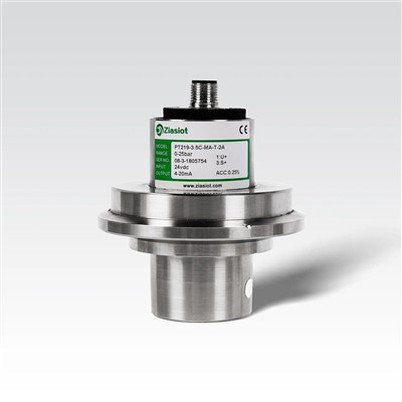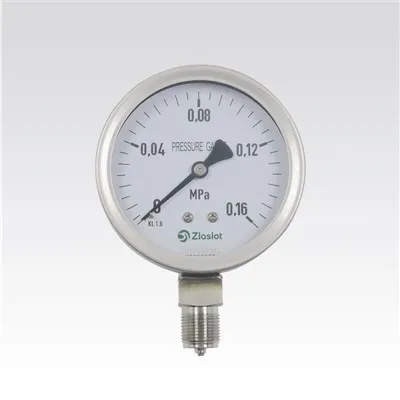

Are ceramic pressure transmitters easy to install?
Leave a message

Hey there! As a supplier of Ceramic Pressure Transmitters, I often get asked if these nifty devices are easy to install. Well, let's dive right into it and find out.
First off, what are ceramic pressure transmitters? They're pretty cool gadgets used in a bunch of industries to measure pressure accurately. Whether it's in refrigeration systems, industrial processes, or other applications, these transmitters play a crucial role.


One of the things that make ceramic pressure transmitters stand out is their design. They're built with high - quality ceramic materials, which are not only durable but also offer excellent performance. The ceramic sensing element is at the heart of these transmitters, and it's designed to convert pressure into an electrical signal that can be easily measured and monitored.
Now, let's talk about the installation process. In general, I'd say ceramic pressure transmitters are relatively easy to install. Most of them come with a straightforward design that makes the installation a breeze.
For starters, the physical installation is usually simple. The transmitters are often designed to be mounted in a specific orientation, but this is clearly indicated in the user manual. You'll typically find mounting holes or flanges that allow you to securely attach the transmitter to the desired location. Whether it's on a pipe, a tank, or some other equipment, the mounting process is usually just a matter of aligning the transmitter and using the appropriate fasteners.
Another aspect that makes installation easy is the electrical connection. These transmitters usually have standard electrical connectors. You just need to match the wires correctly according to the wiring diagram provided. The wiring diagrams are usually very clear, even for those who aren't electrical experts. You connect the power supply wires, the signal output wires, and maybe a ground wire if required. And that's it! You've got the electrical part sorted.
Let's take a look at some specific types of ceramic pressure transmitters and how their installation might vary slightly.
The Refrigeration Pressure Transmitter is designed for use in refrigeration systems. In a refrigeration setup, the installation location is crucial. It needs to be placed in a spot where it can accurately measure the refrigerant pressure. Usually, this means mounting it on the refrigerant lines. The good news is that most refrigeration systems have standard pipe sizes, and the transmitters are designed to fit these pipes easily. You might need to use some pipe fittings to ensure a proper seal, but these are readily available in the market.
The Standard Ceramic Pressure Transmitter is a more general - purpose device. It can be used in a wide range of industrial applications. The installation of this type of transmitter is very similar to the general process I described earlier. It can be mounted on various types of equipment, and the electrical connection is standard. Whether you're using it in a chemical plant, a food processing facility, or a manufacturing unit, the installation steps remain pretty much the same.
Then there's the Anti - Crossive Pressure Transmitter. This type is designed to resist corrosion and other harsh environmental conditions. When installing an anti - crossive pressure transmitter, you still follow the basic installation steps. However, you might need to pay a bit more attention to the sealing. Since it's often used in challenging environments, a proper seal is essential to prevent any leakage or damage to the transmitter.
Of course, like any installation process, there can be some challenges. Sometimes, the location where you want to install the transmitter might be hard to reach. Maybe it's in a tight space or at a high elevation. In such cases, you might need to use some special tools or equipment to get the job done. But this isn't really a problem with the transmitter itself; it's more of an issue with the installation environment.
Another potential challenge could be if you're not familiar with the specific requirements of your application. For example, in some industries, there might be strict safety regulations regarding the installation of pressure transmitters. You need to make sure you comply with these regulations to avoid any legal or safety issues. But don't worry, most of the user manuals come with information about safety requirements, and if you're unsure, you can always consult an expert.
Overall, though, I'd say that ceramic pressure transmitters are definitely easy to install. With a bit of common sense, some basic tools, and the help of the user manual, you can have your transmitter up and running in no time.
If you're in the market for ceramic pressure transmitters, whether it's the refrigeration type, the standard one, or the anti - crossive version, we've got you covered. We offer high - quality products that are not only easy to install but also reliable and accurate. If you have any questions about the installation process or about our products in general, feel free to reach out. We're here to help you make the right choice and ensure a smooth installation. So, don't hesitate to contact us for more information and to start the procurement process.
References
- Various user manuals of ceramic pressure transmitters
- Industry standards and guidelines for pressure transmitter installation