What are the units of measurement on a Homogenizer Pressure Gauge?
Leave a message

As a trusted supplier of Homogenizer Pressure Gauges, I often get asked about the units of measurement used on these essential devices. Understanding these units is crucial for anyone working with homogenizers, whether you're in the food and beverage industry, pharmaceuticals, or any other field that relies on precise pressure control. In this blog post, I'll delve into the common units of measurement found on Homogenizer Pressure Gauges, their significance, and how they impact your operations.
Common Units of Measurement
Pascal (Pa)
The Pascal is the SI (International System of Units) unit of pressure. It is defined as one newton per square meter (N/m²). While the Pascal is a fundamental unit of pressure, it is often too small for practical use in homogenizer applications. In most industrial settings, you'll encounter larger multiples of the Pascal, such as the kilopascal (kPa) or the megapascal (MPa). One kilopascal is equal to 1,000 Pascals, and one megapascal is equal to 1,000,000 Pascals.
The Pascal and its multiples are widely used in scientific and engineering applications due to their consistency with the SI system. They provide a standardized way to measure and compare pressure across different industries and regions. For example, in research laboratories, where precise measurements are crucial, the Pascal or its multiples are often the preferred units of measurement.
Bar
The bar is a non-SI unit of pressure that is commonly used in many industries, including the food and beverage, pharmaceutical, and chemical industries. One bar is equal to 100,000 Pascals or 0.1 megapascals. The bar is a convenient unit of measurement because it is close to atmospheric pressure, which is approximately 1.01325 bar at sea level.
In homogenizer applications, the bar is often used to measure the pressure required to achieve the desired level of homogenization. For example, in the dairy industry, homogenization is typically carried out at pressures ranging from 100 to 300 bar to break down fat globules and prevent cream separation. The bar is also commonly used in the pharmaceutical industry to measure the pressure required to achieve the desired particle size distribution in drug formulations.
Pounds per Square Inch (psi)
The pounds per square inch is a unit of pressure commonly used in the United States and some other countries that follow the imperial system of measurement. One psi is equal to approximately 6,894.76 Pascals or 0.0689476 bar. The psi is a widely recognized unit of pressure in the industrial and automotive sectors, and it is often used in the specification of pressure equipment, including homogenizers.
In homogenizer applications, the psi is often used to communicate pressure requirements to operators who are more familiar with the imperial system of measurement. For example, in the United States, many homogenizer manufacturers specify the operating pressure of their equipment in psi. This makes it easier for operators to understand and set the pressure on the homogenizer pressure gauge.
Significance of Units of Measurement
The choice of units of measurement on a Homogenizer Pressure Gauge depends on several factors, including the industry, the application, and the regional standards. Understanding the significance of these units is crucial for ensuring accurate pressure measurement and control in homogenizer operations.
Industry Standards
Different industries have their own standards and preferences when it comes to units of measurement. For example, the pharmaceutical industry often follows the SI system and uses units such as the Pascal or the bar. This is because the SI system provides a standardized and consistent way to measure and compare pressure across different laboratories and manufacturing facilities.
On the other hand, the food and beverage industry may use a combination of units, including the bar and the psi, depending on the region and the specific application. In some countries, the bar is the preferred unit of measurement, while in others, the psi is more commonly used. Understanding the industry standards and preferences is essential for ensuring compliance and accuracy in homogenizer operations.
Application Requirements
The specific application requirements also play a significant role in the choice of units of measurement. For example, in applications where high pressures are required, such as in the production of nanomaterials or the processing of high-viscosity fluids, the megapascal or the psi may be more appropriate units of measurement. These units can provide a more precise and accurate measurement of the high pressures involved.
In contrast, in applications where lower pressures are required, such as in the homogenization of milk or the production of cosmetic creams, the bar or the kilopascal may be sufficient units of measurement. These units are more commonly used in these applications because they provide a more practical and convenient way to measure and control the pressure.
Regional Standards
Regional standards and regulations can also influence the choice of units of measurement on a Homogenizer Pressure Gauge. In some countries, the use of specific units of measurement may be mandated by law or industry regulations. For example, in the European Union, the SI system is widely used, and the Pascal or the bar are the preferred units of measurement.
In other countries, such as the United States, the imperial system of measurement is still commonly used, and the psi is a widely recognized unit of pressure. When exporting or selling homogenizers to different regions, it is important to ensure that the pressure gauge is calibrated and labeled in the appropriate units of measurement to comply with the regional standards and regulations.
Impact on Operations
The units of measurement used on a Homogenizer Pressure Gauge can have a significant impact on the operation and performance of the homogenizer. Understanding these impacts is crucial for ensuring accurate pressure measurement and control, as well as for optimizing the homogenization process.


Accuracy and Precision
The choice of units of measurement can affect the accuracy and precision of the pressure measurement. Different units have different levels of sensitivity and resolution, which can impact the ability to measure and control the pressure accurately. For example, the Pascal is a more precise unit of measurement than the bar or the psi because it is a smaller unit. However, in some applications, the additional precision provided by the Pascal may not be necessary, and the bar or the psi may be sufficient.
It is important to choose the appropriate unit of measurement based on the specific application requirements and the level of accuracy and precision needed. Using a unit of measurement that is too large or too small can result in inaccurate pressure measurements and can affect the quality and consistency of the homogenized product.
Operator Training and Safety
The units of measurement used on a Homogenizer Pressure Gauge can also impact operator training and safety. Operators need to be familiar with the units of measurement used on the pressure gauge to ensure that they can accurately read and interpret the pressure readings. If the operators are not familiar with the units of measurement, they may make mistakes in setting the pressure or in monitoring the homogenization process, which can lead to safety hazards and product quality issues.
It is important to provide adequate training to operators on the units of measurement used on the Homogenizer Pressure Gauge and on how to accurately read and interpret the pressure readings. This can help to ensure that the operators can safely and effectively operate the homogenizer and can produce high-quality homogenized products.
Compatibility with Equipment and Systems
The units of measurement used on a Homogenizer Pressure Gauge need to be compatible with the other equipment and systems in the homogenization process. For example, if the homogenizer is connected to a control system that uses a specific unit of measurement, the pressure gauge needs to be calibrated and labeled in the same unit of measurement to ensure compatibility.
In addition, the units of measurement used on the pressure gauge need to be compatible with the pressure sensors and transducers used in the homogenizer. Different pressure sensors and transducers may have different output signals and units of measurement, and it is important to ensure that they are compatible with the pressure gauge to ensure accurate pressure measurement and control.
Our Product Range
At our company, we offer a wide range of Homogenizer Pressure Gauges that are available in different units of measurement to meet the diverse needs of our customers. Our pressure gauges are designed and manufactured to the highest standards of quality and accuracy, and they are suitable for a variety of homogenizer applications.
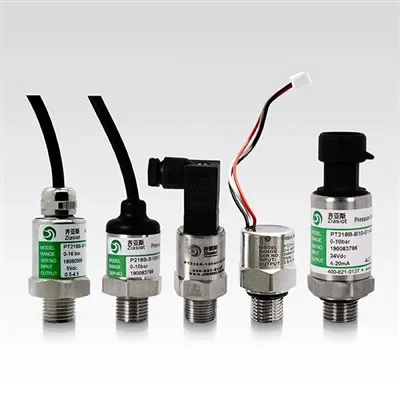
We offer High Temperature Mechanical Melt Presssure Gauges that are specifically designed for use in high-temperature applications. These pressure gauges are made from high-quality materials that can withstand the extreme temperatures and pressures encountered in homogenization processes. They are available in different units of measurement, including the bar, the psi, and the Pascal, to meet the specific requirements of our customers.
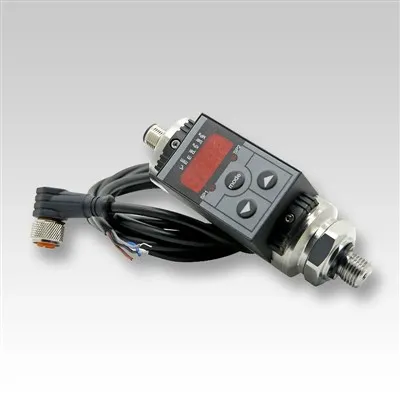
In addition, we offer Digital Melt Presssure Gauges that provide accurate and reliable pressure measurement in homogenizer applications. These digital pressure gauges are easy to read and operate, and they offer a high level of precision and accuracy. They are available in different units of measurement, including the bar, the psi, and the Pascal, and they can be customized to meet the specific requirements of our customers.
We also offer Vacuum Digital Pressure Gauge that are designed for use in vacuum applications. These pressure gauges are capable of measuring both positive and negative pressures, and they are available in different units of measurement, including the bar, the psi, and the Pascal. They are suitable for a variety of homogenizer applications, including the production of vacuum-packed products and the processing of sensitive materials.
Conclusion
In conclusion, understanding the units of measurement used on a Homogenizer Pressure Gauge is crucial for anyone working with homogenizers. The choice of units of measurement depends on several factors, including the industry, the application, and the regional standards. It is important to choose the appropriate unit of measurement based on the specific application requirements and the level of accuracy and precision needed.
At our company, we are committed to providing high-quality Homogenizer Pressure Gauges that are available in different units of measurement to meet the diverse needs of our customers. If you have any questions or need further information about our products, please do not hesitate to contact us. We would be happy to discuss your specific requirements and to help you choose the right Homogenizer Pressure Gauge for your application.
References
- ASME Pressure Vessel and Piping Codes
- ISO Standards for Pressure Measurement
- ASTM Standards for Pressure Gauges