
What are the installation requirements for a Vortex Intelligent Flowmeter in a hazardous area?
Leave a message

Hey there! As a supplier of Vortex Intelligent Flowmeters, I often get asked about the installation requirements for these nifty devices, especially in hazardous areas. So, I thought I'd share some insights on this topic to help you out.
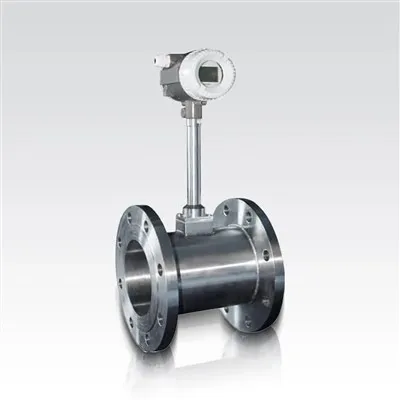
First off, let's understand what a Vortex Intelligent Flowmeter is. A Vortex Flowmeter is a type of flowmeter that measures the flow rate of liquids, gases, or steam. It works based on the principle of the von Kármán vortex street, where vortices are shed alternately downstream of a bluff body placed in the flow path. These vortices generate pressure fluctuations that are detected by a sensor, and the frequency of these fluctuations is proportional to the flow rate.
Now, when it comes to installing a Vortex Intelligent Flowmeter in a hazardous area, there are several important requirements to keep in mind.
1. Hazardous Area Classification
The first step is to determine the hazardous area classification. Hazardous areas are classified based on the likelihood and duration of the presence of a flammable atmosphere. The most common classification systems are the North American NEC (National Electrical Code) and the international IEC (International Electrotechnical Commission) standards.
- Class I, Division 1 (NEC) or Zone 0 (IEC): These are areas where a flammable gas or vapor is present continuously or for long periods. Installing a flowmeter in this area requires the highest level of safety precautions.
- Class I, Division 2 (NEC) or Zone 1 (IEC): Areas where a flammable gas or vapor is likely to occur under normal operating conditions.
- Class I, Division 3 (NEC) or Zone 2 (IEC): Areas where a flammable gas or vapor is not likely to occur under normal operating conditions, but may occur for a short time if there is a malfunction.
Make sure you know which classification your area falls into, as this will determine the type of equipment and installation methods you need to use.
2. Intrinsic Safety
Intrinsic safety is a key requirement for installing any electrical equipment in a hazardous area. It involves designing the equipment in such a way that it cannot produce enough energy to ignite a flammable atmosphere.
- Certified Equipment: Your Vortex Intelligent Flowmeter should be certified as intrinsically safe for the specific hazardous area classification. Look for certifications such as UL (Underwriters Laboratories) or ATEX (Atmosphères Explosibles) that indicate compliance with safety standards.
- Barriers and Isolators: Intrinsic safety barriers or isolators are often used to limit the energy that can be transmitted to the flowmeter. These devices should be installed in a non - hazardous area and connected to the flowmeter using appropriate wiring.
3. Mounting and Location
The mounting and location of the flowmeter are also crucial in a hazardous area.
- Avoiding Ignition Sources: Place the flowmeter away from potential ignition sources such as hot surfaces, electrical sparks, or open flames. Make sure there is enough clearance around the flowmeter for maintenance and inspection.
- Proper Orientation: Install the flowmeter in the correct orientation as specified by the manufacturer. Incorrect orientation can affect the accuracy of the flow measurement and may also pose a safety risk.
- Vibration and Shock: Minimize vibration and shock to the flowmeter. Excessive vibration can damage the internal components of the flowmeter and may lead to inaccurate readings. Use vibration - dampening mounts if necessary.
4. Wiring and Conduit
Proper wiring and conduit installation are essential to prevent the spread of a potential explosion.


- Explosion - Proof Conduit: Use explosion - proof conduit to enclose the wiring between the flowmeter and other electrical components. The conduit should be rated for the specific hazardous area classification.
- Sealing Fittings: All conduit joints and fittings should be properly sealed to prevent the entry of flammable gases or vapors. Use approved sealing compounds and fittings.
- Wiring Size and Type: Select the appropriate wiring size and type based on the electrical requirements of the flowmeter and the distance between the flowmeter and the control system.
5. Grounding
Grounding is an important safety measure to prevent the buildup of static electricity, which can be a potential ignition source.
- Proper Grounding Connection: Ensure that the flowmeter is properly grounded to a reliable grounding system. The grounding conductor should be of sufficient size to carry any fault current safely.
- Isolation from Other Grounds: Avoid connecting the flowmeter grounding to other electrical systems that may introduce electrical interference or pose a safety risk.
6. Maintenance and Inspection
Regular maintenance and inspection are necessary to ensure the continued safe and accurate operation of the Vortex Intelligent Flowmeter in a hazardous area.
- Scheduled Inspections: Set up a regular inspection schedule to check the condition of the flowmeter, wiring, and other components. Look for signs of damage, wear, or corrosion.
- Calibration: Periodically calibrate the flowmeter to ensure accurate flow measurement. Follow the manufacturer's recommendations for calibration intervals and procedures.
Comparing with Other Flowmeters
It's also worth comparing the Vortex Intelligent Flowmeter with other types of flowmeters, such as the LDG Electromagnetic Flowmeter and the Turbine Flow Meter.
- LDG Electromagnetic Flowmeter: This type of flowmeter is suitable for measuring the flow of conductive liquids. It has no moving parts, which reduces the risk of mechanical failure. However, it may not be suitable for non - conductive fluids.
- Turbine Flow Meter: Turbine flow meters are known for their high accuracy and wide flow range. But they have moving parts that can be affected by wear and tear, especially in harsh environments.
The Vortex Intelligent Flowmeter offers a good balance of accuracy, reliability, and safety, making it a popular choice for many hazardous area applications.
Conclusion
Installing a Vortex Intelligent Flowmeter in a hazardous area requires careful planning and adherence to safety standards. By following the installation requirements I've outlined above, you can ensure the safe and accurate operation of your flowmeter.
If you're in the market for a Vortex Intelligent Flowmeter or have any questions about installation in a hazardous area, don't hesitate to reach out. We're here to help you make the right choice for your application.
References
- International Electrotechnical Commission (IEC). Electrical apparatus for explosive gas atmospheres standards.
- National Fire Protection Association (NFPA). National Electrical Code (NEC).
- Manufacturer's installation and operation manuals for Vortex Intelligent Flowmeters.