
What are the effects of vibration on a melt pressure indicator?
Leave a message

Vibration is a common phenomenon in industrial environments, and it can have a significant impact on various types of equipment. As a supplier of melt pressure indicators, I've seen firsthand how vibration can affect these devices. In this blog, I'll discuss the effects of vibration on a melt pressure indicator and how you can mitigate these issues.
How Melt Pressure Indicators Work
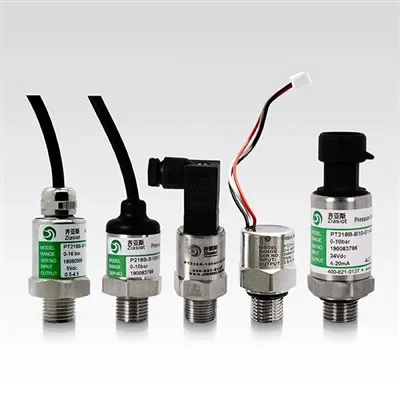
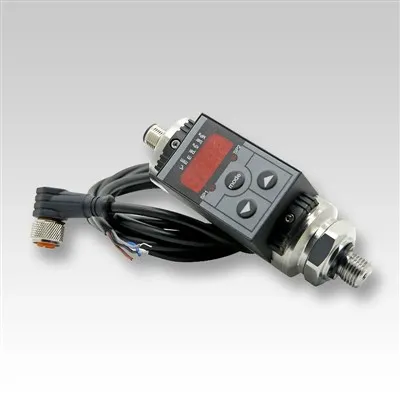
Before diving into the effects of vibration, let's briefly go over how melt pressure indicators work. A melt pressure indicator is a device used to measure the pressure of molten materials, such as plastics or metals, in a manufacturing process. These indicators are crucial for ensuring the quality and consistency of the final product. They typically consist of a pressure sensor, which detects the pressure of the melt, and a display unit, which shows the measured pressure.
Effects of Vibration on Melt Pressure Indicators
1. Sensor Damage
One of the most significant effects of vibration on a melt pressure indicator is sensor damage. The pressure sensor is the heart of the indicator, and it's very sensitive to mechanical stress. Vibration can cause the internal components of the sensor to move or shift, leading to misalignment or even physical damage. Over time, this can result in inaccurate pressure readings or complete sensor failure.
For example, if the vibration is strong enough, it can cause the diaphragm in the pressure sensor to crack or deform. The diaphragm is a key component that converts the pressure of the melt into an electrical signal. Once it's damaged, the sensor won't be able to accurately measure the pressure, and you'll get unreliable data.
2. Signal Interference
Vibration can also cause signal interference in the melt pressure indicator. The electrical signals generated by the pressure sensor need to be transmitted to the display unit accurately. However, vibration can introduce noise into these signals, making it difficult for the display unit to interpret the data correctly.
This signal interference can manifest as fluctuations or erratic readings on the display. You might see the pressure reading jumping up and down even when the actual pressure of the melt remains stable. This can make it challenging to monitor the process effectively and make informed decisions based on the pressure data.
3. Loose Connections
Another problem caused by vibration is loose connections. The melt pressure indicator has various electrical and mechanical connections, such as wires, cables, and mounting screws. Vibration can cause these connections to loosen over time, leading to poor electrical conductivity or even disconnection.
A loose electrical connection can result in intermittent or no power supply to the indicator, causing it to malfunction. Similarly, loose mounting screws can cause the indicator to move or shift, which can further exacerbate the issues related to sensor damage and signal interference.
4. Reduced Lifespan
All the above effects of vibration can ultimately lead to a reduced lifespan of the melt pressure indicator. When the sensor is damaged, the signals are interfered with, and the connections are loose, the device has to work harder to function properly. This increased stress on the components can cause them to wear out faster, shortening the overall lifespan of the indicator.


Mitigating the Effects of Vibration
1. Proper Mounting
One of the most effective ways to mitigate the effects of vibration is to ensure proper mounting of the melt pressure indicator. Use vibration - isolating mounts or pads to reduce the transfer of vibration from the surrounding environment to the indicator. These mounts are designed to absorb and dampen the vibrations, protecting the internal components of the indicator.
Make sure to follow the manufacturer's guidelines for mounting the indicator. Use the correct type and size of mounting screws, and tighten them to the recommended torque. This will help keep the indicator securely in place and minimize the risk of loose connections.
2. Shielding
To reduce signal interference caused by vibration, you can use shielding for the electrical cables and wires. Shielded cables are designed to block external electromagnetic interference, including the noise introduced by vibration. This can help ensure that the electrical signals from the pressure sensor are transmitted accurately to the display unit.
3. Regular Maintenance
Regular maintenance is essential for keeping your melt pressure indicator in good working condition, especially in a vibrating environment. Inspect the indicator regularly for any signs of damage, such as loose connections, cracked components, or abnormal readings. Replace any worn - out or damaged parts promptly.
You can also perform calibration checks on a regular basis to ensure the accuracy of the pressure readings. This will help you catch any issues early and take corrective action before they become major problems.
Our Solutions as a Supplier
As a supplier of Melt Pressure Indicator, we understand the challenges posed by vibration in industrial settings. That's why we offer high - quality indicators that are designed to withstand vibration to a certain extent.
Our melt pressure indicators are built with robust sensors and durable components that can resist the effects of vibration. We also provide vibration - isolating mounting options to help you install the indicators in a way that minimizes the impact of vibration.
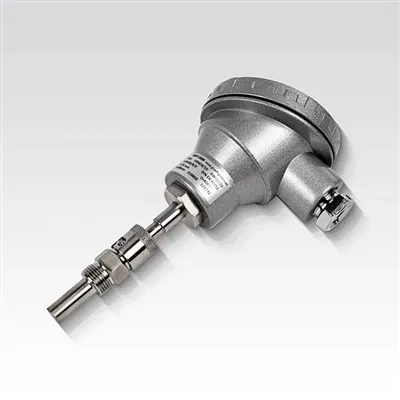
In addition to our Melt Pressure Indicator, we also offer related products such as Temperature Indicator and Melt Pressure Controller. These products are all designed to work together seamlessly to provide you with a comprehensive solution for monitoring and controlling your industrial processes.
Contact Us for Purchasing
If you're facing issues with vibration affecting your melt pressure indicators or if you're looking to upgrade your existing equipment, we're here to help. Our team of experts can provide you with professional advice on the best products for your specific needs. We can also offer installation and maintenance services to ensure that your indicators are working optimally.
Don't let vibration disrupt your manufacturing process. Contact us today to discuss your requirements and start the purchasing process. We're committed to providing you with the highest quality products and excellent customer service.
References
- "Industrial Instrumentation and Control Handbook" by Bela G. Liptak
- "Measurement, Instrumentation, and Sensors Handbook" by John G. Webster