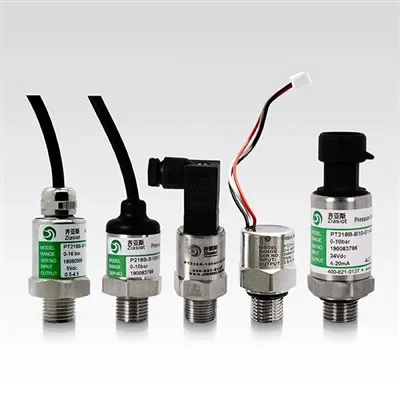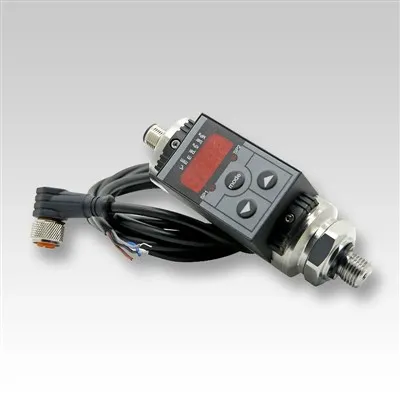

How to troubleshoot a ceramic pressure transmitter with no output signal?
Leave a message

As a supplier of Ceramic Pressure Transmitters, I've encountered numerous cases where customers face the issue of a ceramic pressure transmitter having no output signal. This problem can be quite frustrating, especially when it disrupts critical operations. In this blog, I'll guide you through a systematic approach to troubleshooting this problem.
1. Initial Checks
Before diving into complex troubleshooting steps, it's essential to perform some basic checks. First, ensure that the power supply to the pressure transmitter is stable. A fluctuating or interrupted power source can cause the transmitter to malfunction and result in no output signal. Check the power cables for any signs of damage, such as frayed wires or loose connections. If possible, use a multimeter to measure the voltage at the power input terminals of the transmitter. The voltage should match the specifications provided in the transmitter's datasheet.


Next, examine the wiring connections between the pressure transmitter and the receiving device, such as a data logger or a control system. Loose or incorrect wiring can prevent the signal from being transmitted properly. Make sure that all the wires are securely connected and that there are no short circuits. Refer to the wiring diagram in the transmitter's manual to verify the correct wiring configuration.
2. Sensor Inspection
The ceramic sensor is the heart of the pressure transmitter, and any damage or malfunction to it can lead to a loss of output signal. Start by visually inspecting the sensor for any physical damage, such as cracks or chips. If you notice any visible damage, the sensor may need to be replaced. However, in some cases, the damage may not be visible, and you may need to perform further tests.
One way to test the sensor is to apply a known pressure to it and check if the output signal changes accordingly. You can use a pressure calibrator to apply a precise pressure to the transmitter. Compare the output signal from the transmitter with the expected value based on the calibration curve provided by the manufacturer. If the output signal does not change or is significantly different from the expected value, the sensor may be faulty.
Another method to test the sensor is to use a capacitance meter. The ceramic sensor in a pressure transmitter typically works based on the principle of capacitance change due to pressure. By measuring the capacitance of the sensor, you can determine if it is functioning correctly. However, this method requires some technical expertise and specialized equipment.
3. Signal Conditioning Circuit
The signal conditioning circuit in the pressure transmitter is responsible for amplifying and processing the raw signal from the sensor. Any problems with this circuit can result in no output signal. Check the components in the signal conditioning circuit, such as resistors, capacitors, and operational amplifiers, for any signs of damage or malfunction. Look for burnt components, loose connections, or abnormal readings on a multimeter.
If you suspect a problem with the signal conditioning circuit, you may need to replace the entire circuit board. However, this should be done only if you have the necessary technical skills and knowledge. Otherwise, it's recommended to contact the manufacturer or a professional technician for assistance.
4. Environmental Factors
Environmental factors can also affect the performance of the pressure transmitter and cause a loss of output signal. High temperatures, humidity, and vibration can all have a negative impact on the sensor and the electronics in the transmitter. Check the operating environment of the transmitter and ensure that it is within the specified temperature and humidity range. If the environment is too harsh, consider using a protective enclosure or a transmitter with a higher environmental rating.
Vibration can also cause problems with the pressure transmitter. Make sure that the transmitter is securely mounted and that there are no excessive vibrations in the surrounding area. If necessary, use vibration isolation mounts to reduce the impact of vibrations on the transmitter.
5. Communication Interface
If the pressure transmitter is connected to a communication network, such as Modbus or HART, check the communication interface for any issues. Make sure that the communication settings, such as the baud rate, parity, and address, are correctly configured. Use a communication analyzer or a software tool to monitor the communication between the transmitter and the receiving device. If there are any communication errors, check the cables, connectors, and the communication protocol for any problems.
Conclusion
Troubleshooting a ceramic pressure transmitter with no output signal can be a challenging task, but by following a systematic approach, you can identify and resolve the problem. Start with the basic checks, such as power supply and wiring connections, and then move on to more complex tests, such as sensor inspection and signal conditioning circuit analysis. Consider the environmental factors and the communication interface as well. If you are unable to resolve the problem on your own, don't hesitate to contact the manufacturer or a professional technician for assistance.
At our company, we offer a wide range of high-quality ceramic pressure transmitters, including Refrigeration Pressure Transmitter, Standard Ceramic Pressure Transmitter, and Anti-Crossive Pressure Transmitter. If you are interested in purchasing our products or have any questions about troubleshooting or product selection, please feel free to contact us for further discussion and procurement negotiation.
References
- Manufacturer's datasheets and manuals for ceramic pressure transmitters.
- Technical literature on pressure sensor technology and troubleshooting.