
How to select a melt pressure gauge based on the viscosity of the melt?
Leave a message

When it comes to the manufacturing processes involving melts, such as in the plastic, rubber, and food industries, accurately measuring the pressure of the melt is crucial. A melt pressure gauge serves as a key instrument for this purpose. However, selecting the right melt pressure gauge can be a challenging task, especially when considering the viscosity of the melt. As a reputable melt pressure gauges supplier, I'm here to share some insights on how to make an informed choice based on the melt's viscosity.
Understanding Melt Viscosity
Before delving into the selection process, it's essential to understand what melt viscosity is. Viscosity refers to a fluid's resistance to flow. In the context of melts, it indicates how easily the molten material can move under the influence of an applied force. High - viscosity melts, like some thick plastics or rubber compounds, flow slowly and require more force to move. On the other hand, low - viscosity melts, such as certain types of molten waxes or thin - walled plastic melts, flow more readily.
The viscosity of a melt can vary significantly depending on factors such as temperature, the composition of the material, and the presence of additives. For example, increasing the temperature generally reduces the viscosity of a melt, making it flow more easily.
Impact of Viscosity on Melt Pressure Measurement
The viscosity of the melt has a direct impact on the performance and accuracy of a melt pressure gauge.
In high - viscosity melts, there is a greater resistance to flow. This means that the pressure build - up can be more significant, and the gauge needs to be able to withstand higher forces. Additionally, high - viscosity melts may cause clogging or blockages in the pressure - sensing element if the gauge is not properly designed. If the gauge has small orifices or channels, the thick melt can get stuck, leading to inaccurate readings or even damage to the gauge.


Low - viscosity melts, on the other hand, may not generate as much pressure, but they can also pose challenges. Since they flow more easily, there is a risk of the melt leaking out of the pressure - sensing area if the seal is not tight enough. Also, the rapid flow of low - viscosity melts can cause fluctuations in pressure, and the gauge should be able to respond quickly and accurately to these changes.
Selecting the Right Melt Pressure Gauge Based on Viscosity
High - Viscosity Melts
For high - viscosity melts, the following features are important when selecting a melt pressure gauge:
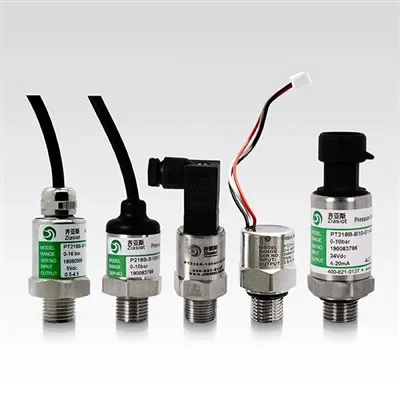
Robust Construction: Look for a gauge with a sturdy housing and a pressure - sensing element that can withstand high pressures. A thick - walled diaphragm or a robust piston - type design can be suitable for high - viscosity applications. For example, High Temperature Mechanical Melt Presssure Gauges are often a good choice as they are built to handle high - pressure environments. These gauges are designed with strong materials that can resist the forces exerted by high - viscosity melts.
Large Orifices and Channels: To prevent clogging, choose a gauge with large enough orifices and channels for the melt to flow through. This allows the high - viscosity melt to reach the pressure - sensing element without getting stuck. Some gauges are specifically designed with wide - bore connections to accommodate thick melts.
Self - Cleaning Mechanisms: Some advanced melt pressure gauges come with self - cleaning features. These mechanisms can help to remove any accumulated melt from the pressure - sensing area, ensuring accurate and reliable measurements over time.
Low - Viscosity Melts
When dealing with low - viscosity melts, consider the following aspects:
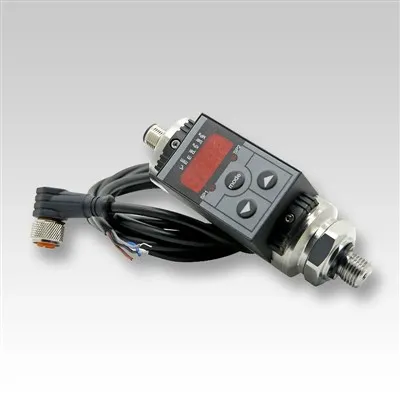
Fast Response Time: Since low - viscosity melts can cause rapid pressure fluctuations, the gauge should have a fast response time. Digital gauges, such as Digital Melt Presssure Gauges, are often a better choice in this case. They can quickly detect and display changes in pressure, providing real - time information for process control.
Tight Seals: To prevent leakage of the low - viscosity melt, ensure that the gauge has tight seals. A well - designed sealing mechanism can keep the melt contained within the pressure - sensing area, maintaining the accuracy of the measurement.
Sensitivity: The gauge should be sensitive enough to detect the relatively low pressures generated by low - viscosity melts. Some mechanical gauges may not be as sensitive as digital ones, so digital gauges might be more appropriate for low - viscosity applications.
Other Considerations
In addition to viscosity, there are other factors to consider when selecting a melt pressure gauge:
Temperature Range: The operating temperature of the melt is another crucial factor. Some materials require high - temperature processing, and the gauge should be able to function accurately in these conditions. For high - temperature applications, High Temperature Mechanical Melt Presssure Gauges are specifically designed to withstand extreme heat.
Accuracy Requirements: Different applications have different accuracy requirements. If your process demands high precision, you may need to invest in a more expensive and accurate gauge. For less critical applications, a Mechanical Presssure Gauge might be sufficient.
Compatibility with the Melt Material: The gauge should be compatible with the chemical composition of the melt. Some melts may be corrosive, and the gauge should be made of materials that can resist corrosion.
Conclusion
Selecting the right melt pressure gauge based on the viscosity of the melt is a complex but essential task. By understanding the impact of viscosity on pressure measurement and considering the specific requirements of your application, you can choose a gauge that provides accurate and reliable readings.
As a melt pressure gauges supplier, we offer a wide range of gauges suitable for different viscosity levels and applications. Whether you are dealing with high - viscosity plastics or low - viscosity waxes, we have the expertise and products to meet your needs. If you are unsure which gauge is the best fit for your process, feel free to contact us for more information and guidance. We are ready to assist you in making the right choice and ensuring the smooth operation of your manufacturing process.
References
- "Plastics Processing Technology" by John A. Brydson.
- "Handbook of Pressure Gauges" by Peter H. Sydenham.