How to calibrate a Vortex Flowmeter?
Leave a message

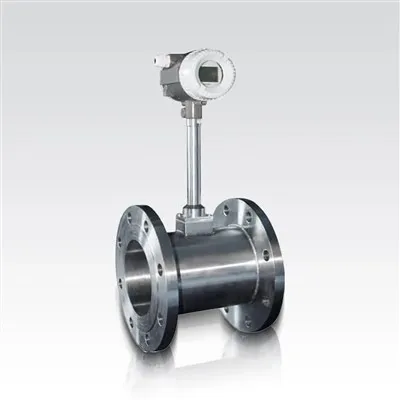
Hey there! As a supplier of Vortex Flowmeters, I often get asked about how to calibrate these nifty devices. Calibration is super important because it ensures that your flowmeter is giving you accurate readings, which is crucial for all sorts of applications, from industrial processes to water management. So, let's dive right into it and learn how to calibrate a Vortex Flowmeter.
Why Calibration Matters
Before we get into the nitty - gritty of calibration, let's talk about why it's so important. A Vortex Flowmeter works by measuring the frequency of vortices shed from a bluff body placed in the flow stream. Over time, factors like wear and tear, changes in fluid properties, or even environmental conditions can affect the accuracy of these measurements. Calibration helps to correct any deviations and ensures that your flowmeter is performing at its best. If you're relying on inaccurate flow measurements, it can lead to all sorts of problems, like inefficient processes, wasted resources, or even safety issues. So, keeping your Vortex Flowmeter properly calibrated is a must.
Pre - Calibration Checks
Before you start the calibration process, there are a few things you need to do. First off, you should visually inspect the flowmeter. Check for any signs of damage, like cracks in the housing or loose connections. Make sure all the cables are properly plugged in and that there are no signs of corrosion.
Next, you need to understand the specifications of your flowmeter. Different Vortex Flowmeters have different operating ranges and requirements. You can find this information in the user manual that came with your flowmeter. Knowing these specifications will help you set up the calibration correctly.
Also, it's important to make sure that the fluid flowing through the meter is in a stable state. The flow should be fully developed, which means it should have a consistent velocity profile across the pipe. Any disturbances in the flow, like bends or valves too close to the meter, can affect the calibration results.
The Calibration Process
There are a couple of different methods you can use to calibrate a Vortex Flowmeter. One common method is the volumetric or gravimetric method.
Volumetric or Gravimetric Method
This method involves collecting the fluid that passes through the flowmeter over a certain period of time and then measuring its volume or mass.


- Set up the collection system: You'll need a container that can accurately measure the volume or mass of the fluid. If you're using the volumetric method, make sure the container is calibrated. If you're using the gravimetric method, you'll need a scale that can measure the mass of the fluid with high precision.
- Start the flow: Open the valve to start the fluid flowing through the flowmeter and into the collection container. At the same time, start a timer.
- Collect the fluid: Let the fluid flow for a pre - determined amount of time. The time should be long enough to get an accurate measurement but not so long that it becomes impractical.
- Stop the flow and measure: Once the time is up, close the valve to stop the flow. Then, measure the volume or mass of the fluid in the container.
- Compare the results: Take the measurement you just got and compare it with the reading on the flowmeter. If there's a difference, you'll need to adjust the flowmeter's settings accordingly. Most modern Vortex Flowmeters have software that allows you to make these adjustments easily.
Using a Master Meter
Another method is to use a master meter. A master meter is a highly accurate flowmeter that is used as a reference.
- Install the master meter: Install the master meter in series with the Vortex Flowmeter that you want to calibrate. Make sure that the installation is in accordance with the manufacturer's instructions for both meters.
- Start the flow: Start the fluid flowing through both meters at the same time. The flow rate should be within the operating range of both meters.
- Record the readings: Take readings from both the master meter and the Vortex Flowmeter. Compare these readings.
- Adjust the Vortex Flowmeter: If there's a difference between the readings, adjust the Vortex Flowmeter to match the reading of the master meter.
Post - Calibration Checks
After you've completed the calibration, it's important to do some post - calibration checks. Take a few more readings to make sure that the flowmeter is now giving accurate results. You can also run the calibration process again after a short period to confirm the stability of the calibration.
It's also a good idea to document the calibration process. Keep a record of the calibration date, the method used, the results, and any adjustments that were made. This documentation will be useful for future reference and for compliance purposes.
Other Flowmeters in the Market
While Vortex Flowmeters are great for many applications, there are other types of flowmeters available too. For example, the Turbine Flow Meter is another popular option. It works by measuring the rotation of a turbine blade in the flow stream. Turbine Flow Meters are known for their high accuracy and wide rangeability.
Another type is the LDG Electromagnetic Flowmeter. This type of flowmeter uses electromagnetic induction to measure the flow of conductive fluids. It's a great choice for applications where you need to measure the flow of liquids like water or wastewater.
But if you're looking for a flowmeter that can handle a variety of fluids, including gases, and is relatively low - maintenance, then the Vortex Flowmeter is a top pick.
Wrapping Up and Contact for Purchase
Well, that's pretty much all there is to know about calibrating a Vortex Flowmeter. It might seem a bit complicated at first, but with a little practice, you'll be able to do it like a pro.
If you're in the market for a Vortex Flowmeter or any other type of flowmeter, we're here to help. We've got a wide range of high - quality flowmeters that are suitable for all sorts of applications. Whether you're a small business or a large industrial plant, we can provide you with the right flowmeter solution. If you have any questions about our products, the calibration process, or anything else related to flowmeters, don't hesitate to reach out. We're always happy to assist you in finding the best flowmeter for your needs and getting it calibrated correctly.
References
- Flowmeter Handbook: Principles and Applications, Third Edition by Richard W. Miller
- Technical documentation from various flowmeter manufacturers