What is the temperature compensation of a Compact Pressure Transmitter?
Leave a message

What is the Temperature Compensation of a Compact Pressure Transmitter?
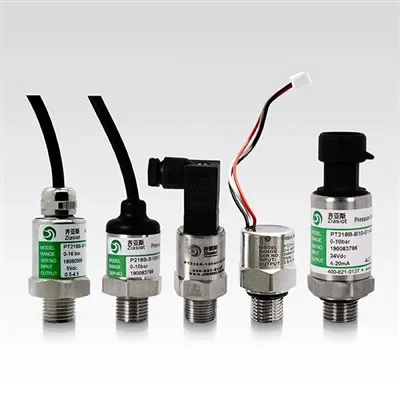
As a supplier of Compact Pressure Transmitters, I often encounter questions from customers about various technical aspects of our products. One of the most frequently asked questions is about temperature compensation. In this blog, I'll delve into what temperature compensation is, why it's crucial for compact pressure transmitters, and how it impacts the performance of our devices.
Understanding Temperature Compensation
Temperature compensation is a technique used to counteract the effects of temperature changes on the performance of a pressure transmitter. Pressure transmitters are designed to convert pressure into an electrical signal accurately. However, temperature variations can cause changes in the physical properties of the materials used in the transmitter, such as the sensing element and the electronic components. These changes can lead to errors in the pressure measurement, resulting in inaccurate readings.
For example, the resistance of the strain gauges commonly used in pressure sensors changes with temperature. If the temperature increases, the resistance of the strain gauges may increase, leading to a change in the output signal of the pressure transmitter. Without temperature compensation, this change in the output signal would be misinterpreted as a change in pressure, causing inaccurate measurements.
Why Temperature Compensation is Crucial for Compact Pressure Transmitters
Compact pressure transmitters are often used in a wide range of applications, from industrial automation to automotive and aerospace. In many of these applications, the operating environment can be subject to significant temperature variations. For instance, in an industrial setting, the temperature inside a factory can vary depending on the time of day, the season, and the operation of machinery. In automotive applications, the temperature under the hood can reach high levels, especially during long drives or in hot weather.
Without proper temperature compensation, the accuracy of the pressure measurements made by compact pressure transmitters can be severely affected. This can lead to a variety of problems, such as incorrect control of industrial processes, reduced efficiency of automotive engines, and safety risks in aerospace applications. Therefore, temperature compensation is essential to ensure the reliable and accurate operation of compact pressure transmitters in these challenging environments.
How Temperature Compensation Works in Compact Pressure Transmitters
There are several methods used to implement temperature compensation in compact pressure transmitters. One common method is to use a temperature sensor in conjunction with the pressure sensor. The temperature sensor measures the ambient temperature, and the information is used to adjust the output signal of the pressure transmitter to compensate for the temperature-induced changes.
Another method is to use materials with low temperature coefficients in the construction of the pressure sensor. For example, some pressure sensors are made of materials that have a very small change in resistance with temperature, reducing the need for extensive temperature compensation.
In addition, advanced signal processing techniques can be used to further improve the accuracy of temperature compensation. These techniques involve analyzing the output signal of the pressure transmitter and the temperature sensor to determine the optimal compensation factor. The compensation factor is then applied to the output signal of the pressure transmitter to correct for the temperature-induced errors.
Impact of Temperature Compensation on the Performance of Compact Pressure Transmitters
The effectiveness of temperature compensation has a significant impact on the performance of compact pressure transmitters. A well-compensated pressure transmitter can maintain high accuracy over a wide temperature range, ensuring reliable and consistent pressure measurements. This is particularly important in applications where precise pressure control is required, such as in the pharmaceutical and food industries.
On the other hand, a pressure transmitter with poor temperature compensation may experience significant errors in its measurements, especially in environments with large temperature variations. This can lead to reduced product quality, increased production costs, and potential safety hazards.
Our Compact Pressure Transmitters and Temperature Compensation
At our company, we understand the importance of temperature compensation in ensuring the performance of our compact pressure transmitters. That's why we use state-of-the-art temperature compensation techniques in the design and manufacturing of our products.
Our pressure transmitters are equipped with high-quality temperature sensors that provide accurate temperature measurements. The information from the temperature sensors is used by our advanced signal processing algorithms to adjust the output signal of the pressure transmitter in real-time, compensating for the temperature-induced changes.
In addition, we use materials with low temperature coefficients in the construction of our pressure sensors, further reducing the need for extensive temperature compensation. This combination of advanced technology and high-quality materials ensures that our compact pressure transmitters can maintain high accuracy over a wide temperature range, providing reliable and consistent pressure measurements in even the most challenging environments.
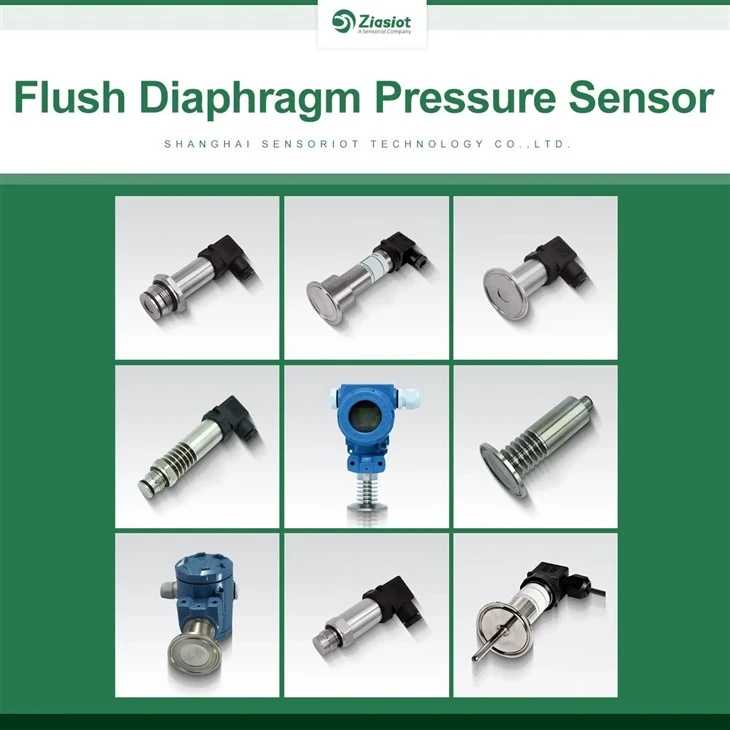

We also offer a range of compact pressure transmitters with different levels of temperature compensation to meet the specific needs of our customers. Whether you need a pressure transmitter for a relatively stable environment or one that can operate in extreme temperature conditions, we have a solution for you.
Related Products
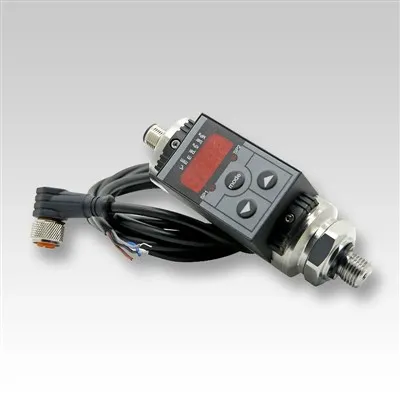
In addition to our standard compact pressure transmitters, we also offer a range of specialized pressure transmitters that are designed for specific applications. These include the Intrinsically Safe Pressure Transmitter, which is suitable for use in hazardous environments where there is a risk of explosion. The Flush Diaphragm Sillcon Pressure Transmitter is ideal for applications where the pressure medium is viscous or contains particles, as it has a flush diaphragm that prevents clogging. And the Explosion Proof Pressure Transmitter is designed to withstand explosive atmospheres, providing reliable pressure measurements in high-risk environments.
Contact Us for Purchase and Negotiation
If you are interested in our compact pressure transmitters or any of our other products, we invite you to contact us for further information and to discuss your specific requirements. Our team of experts is always ready to assist you in selecting the right pressure transmitter for your application and to provide you with the best possible solution. Whether you are a small business or a large corporation, we are committed to providing you with high-quality products and excellent customer service.
References
- Doebelin, E. O. (2003). Measurement Systems: Application and Design. McGraw-Hill.
- Kutz, M. (2006). Instrumentation and Controls Handbook. McGraw-Hill.
- Liptak, B. G. (2005). Instrument Engineers' Handbook, Volume 1: Process Measurement and Analysis. CRC Press.