
How to install a melt pressure gauge in a hazardous environment?
Leave a message

Installing a melt pressure gauge in a hazardous environment requires careful planning, strict adherence to safety protocols, and the use of appropriate equipment. As a trusted supplier of melt pressure gauges, we understand the unique challenges and requirements associated with such installations. In this blog post, we will provide a comprehensive guide on how to install a melt pressure gauge in a hazardous environment, ensuring the safety of personnel and the accuracy of pressure measurements.
Understanding Hazardous Environments
Before diving into the installation process, it's crucial to understand the nature of hazardous environments. These environments are typically characterized by the presence of flammable gases, vapors, dust, or other potentially explosive substances. The installation of electrical or mechanical equipment in such areas must comply with strict safety standards to prevent the risk of ignition and explosion.
Selecting the Right Melt Pressure Gauge
The first step in installing a melt pressure gauge in a hazardous environment is to select the appropriate gauge for the application. At our company, we offer a wide range of melt pressure gauges designed to meet the specific needs of different industries and environments.
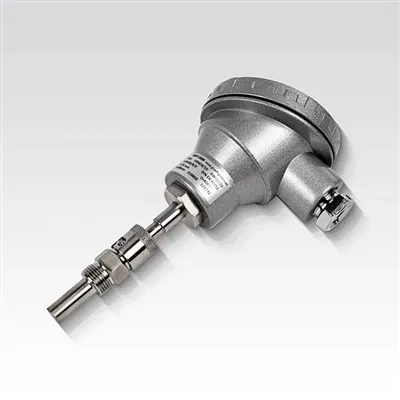
- High Temperature Mechanical Melt Pressure Gauges: These gauges are suitable for applications where high temperatures are involved. They are designed to withstand extreme heat and provide accurate pressure measurements in challenging conditions. High Temperature Mechanical Melt Pressure Gauges
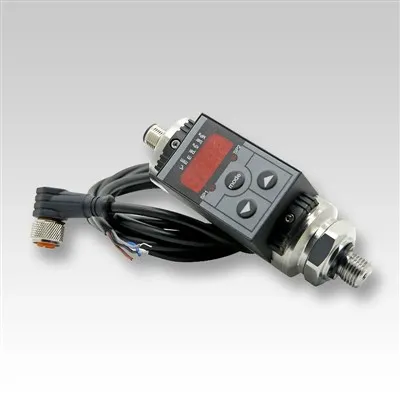
- Digital Melt Pressure Gauges: Digital gauges offer advanced features such as high precision, easy readability, and the ability to connect to data logging systems. They are ideal for applications where real-time monitoring and data analysis are required. Digital Melt Pressure Gauges
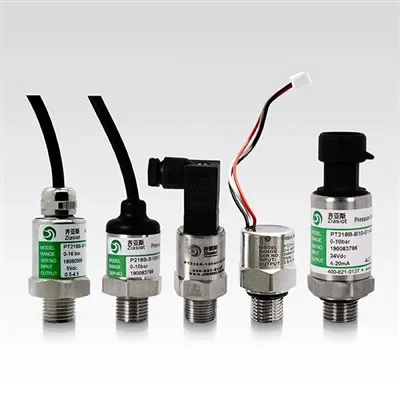
- Mechanical Pressure Gauges: Mechanical gauges are reliable and cost-effective solutions for measuring pressure. They are simple to install and maintain, making them a popular choice for many industrial applications. Mechanical Pressure Gauge
When selecting a melt pressure gauge, consider factors such as the operating temperature, pressure range, accuracy requirements, and the type of hazardous environment. It's also important to ensure that the gauge is certified for use in hazardous areas.
Pre-Installation Preparation
Once you have selected the appropriate melt pressure gauge, the next step is to prepare for the installation. This involves conducting a thorough risk assessment, obtaining the necessary permits, and gathering the required tools and materials.


- Risk Assessment: Identify potential hazards in the installation area, such as flammable gases, vapors, or dust. Determine the appropriate safety measures to mitigate these risks, such as using explosion-proof equipment, grounding the gauge, and providing adequate ventilation.
- Permits: Obtain the necessary permits from the relevant authorities before starting the installation. This may include permits for working in hazardous areas, electrical work, or equipment installation.
- Tools and Materials: Gather all the tools and materials required for the installation, such as wrenches, screwdrivers, pipe fittings, and sealants. Make sure that the tools are in good condition and suitable for use in hazardous environments.
Installation Process
The installation process for a melt pressure gauge in a hazardous environment typically involves the following steps:
- Mounting the Gauge: Choose a suitable location for mounting the gauge. The location should be easily accessible for maintenance and inspection, and it should be protected from physical damage and extreme temperatures. Use the appropriate mounting hardware to secure the gauge to the mounting surface.
- Connecting the Pressure Line: Connect the pressure line to the gauge using the appropriate pipe fittings and sealants. Make sure that the connections are tight and leak-free. Use a pressure test to verify the integrity of the connections.
- Electrical Connections (if applicable): If the gauge is equipped with electrical components, such as a digital display or a transmitter, make the necessary electrical connections. Follow the manufacturer's instructions and ensure that the electrical connections are properly grounded and insulated.
- Calibration: Once the gauge is installed and connected, calibrate it to ensure accurate pressure measurements. Use a calibrated pressure source to adjust the gauge to the desired pressure range. Follow the manufacturer's instructions for calibration procedures.
- Testing and Commissioning: After calibration, test the gauge to ensure that it is functioning properly. Apply a known pressure to the gauge and verify that the reading is accurate. If any issues are detected, troubleshoot and resolve them before commissioning the gauge.
Safety Considerations
Safety is of utmost importance when installing a melt pressure gauge in a hazardous environment. Here are some key safety considerations to keep in mind:
- Use Explosion-Proof Equipment: Ensure that all equipment used in the installation, including the gauge, pressure line, and electrical components, is certified for use in hazardous areas. This helps to prevent the risk of ignition and explosion.
- Grounding: Proper grounding is essential to prevent the buildup of static electricity, which can cause ignition in a hazardous environment. Make sure that the gauge and all electrical components are properly grounded.
- Ventilation: Provide adequate ventilation in the installation area to prevent the accumulation of flammable gases or vapors. This helps to reduce the risk of explosion.
- Personal Protective Equipment (PPE): Wear appropriate PPE, such as safety glasses, gloves, and protective clothing, when working in a hazardous environment. This helps to protect you from potential hazards.
- Training and Certification: Ensure that all personnel involved in the installation are properly trained and certified to work in hazardous areas. This helps to ensure that the installation is carried out safely and in compliance with relevant safety standards.
Maintenance and Inspection
Regular maintenance and inspection are essential to ensure the continued performance and safety of the melt pressure gauge. Here are some maintenance and inspection tips:
- Visual Inspection: Conduct regular visual inspections of the gauge and its components to check for signs of damage, wear, or corrosion. Replace any damaged or worn parts immediately.
- Calibration Checks: Periodically calibrate the gauge to ensure accurate pressure measurements. Follow the manufacturer's recommendations for calibration intervals.
- Cleaning: Keep the gauge and its components clean to prevent the accumulation of dirt, dust, or debris. Use a soft cloth or a mild cleaning solution to clean the gauge.
- Seal Checks: Check the seals and gaskets regularly to ensure that they are in good condition and providing a proper seal. Replace any damaged or worn seals or gaskets.
Conclusion
Installing a melt pressure gauge in a hazardous environment requires careful planning, strict adherence to safety protocols, and the use of appropriate equipment. By following the guidelines outlined in this blog post, you can ensure a safe and successful installation. At our company, we are committed to providing high-quality melt pressure gauges and excellent customer service. If you have any questions or need assistance with your melt pressure gauge installation, please don't hesitate to contact us. We look forward to working with you to meet your pressure measurement needs.
References
- National Fire Protection Association (NFPA) Standards
- International Electrotechnical Commission (IEC) Standards
- Manufacturer's Installation and Operation Manuals