How does the pressure affect an electromagnetic flowmeter?
Leave a message

Yo, folks! I'm an electromagnetic flowmeter supplier, and today I wanna chat about how pressure affects an electromagnetic flowmeter.
First off, let's get a basic understanding of what an electromagnetic flowmeter is. It's a device that measures the flow rate of a conductive fluid. It works based on Faraday's law of electromagnetic induction. When a conductive fluid flows through a magnetic field generated by the flowmeter, a voltage is induced, and this voltage is proportional to the flow velocity of the fluid.
Now, let's dig into how pressure comes into play. Pressure can have several impacts on an electromagnetic flowmeter, and I'll break them down one by one.
1. Structural Integrity
One of the most obvious ways pressure affects an electromagnetic flowmeter is on its structural integrity. High pressure can put a lot of stress on the flowmeter's housing and internal components. If the flowmeter isn't designed to handle the pressure, it can lead to leaks or even structural failure.
For example, if you have a pipeline with extremely high pressure, and you install a flowmeter that's not rated for that pressure, the seals around the electrodes or the body of the flowmeter might start to give way. This can cause the fluid to leak out, which not only messes up the measurement but can also be a safety hazard in some industrial settings.
That's why it's crucial to choose a flowmeter that's rated for the pressure of your application. At our company, we offer a range of flowmeters, like the LDG Electromagnetic Flowmeter, which is designed to handle different pressure levels. We make sure our products are built tough to withstand the pressures they'll face in the real world.
2. Impact on Fluid Properties
Pressure can also change the properties of the fluid being measured, and this in turn can affect the accuracy of the flowmeter. When the pressure increases, the density of the fluid might change. For most conductive fluids, an increase in pressure leads to a slight increase in density.


Since the electromagnetic flowmeter measures the flow velocity based on the induced voltage, any change in fluid density can throw off the measurement. If the density changes, the relationship between the flow velocity and the induced voltage might not be as straightforward as it is under normal pressure conditions.
Let's say you're measuring the flow of water in a pipeline. Under normal atmospheric pressure, the flowmeter gives you an accurate reading. But if the pressure in the pipeline suddenly spikes, the water's density will increase slightly. This can cause the flowmeter to give a reading that's either higher or lower than the actual flow rate, depending on how the change in density affects the electrical conductivity and the interaction with the magnetic field.
To account for these changes, some advanced electromagnetic flowmeters are equipped with compensation algorithms. These algorithms can adjust the measurement based on the pressure and temperature of the fluid to ensure more accurate readings.
3. Electrode Performance
The electrodes in an electromagnetic flowmeter are a critical component. They're responsible for detecting the induced voltage. Pressure can have an impact on the performance of these electrodes.
High pressure can cause the electrodes to shift or deform slightly. If the electrodes move out of their proper position, it can affect the accuracy of the voltage measurement. This is because the position of the electrodes relative to the magnetic field and the flowing fluid is carefully calibrated to ensure accurate readings.
For instance, if an electrode gets pushed out of place due to high pressure, the induced voltage it detects might not be representative of the actual flow velocity. This can lead to significant errors in the flow measurement.
To prevent this, we use high - quality materials and robust electrode designs in our flowmeters. Our engineers make sure that the electrodes are securely mounted and can withstand the pressure without significant deformation.
4. Comparison with Other Flowmeters
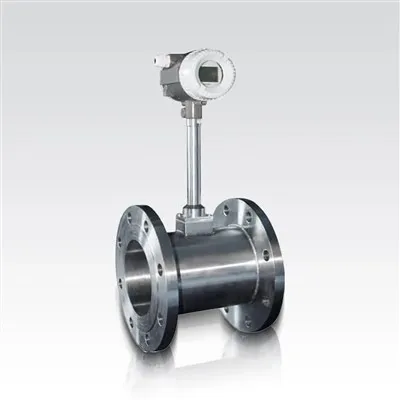
It's interesting to compare how pressure affects electromagnetic flowmeters with other types of flowmeters. Take the Vortex Flowmeter for example. Vortex flowmeters work by measuring the frequency of vortices shed from a bluff body in the flow path.
Pressure affects vortex flowmeters differently. High pressure can change the shape of the vortices and the way they're shed. This can lead to changes in the frequency measurement and affect the accuracy of the flow rate calculation.
On the other hand, Turbine Flow Meters rely on the rotation of a turbine in the fluid flow. Pressure can impact the turbine's rotation speed. High pressure can cause the fluid to flow more forcefully, which might make the turbine spin faster than it should for a given flow rate.
In comparison, electromagnetic flowmeters are generally more immune to some of the mechanical effects of pressure that affect these other types of flowmeters. However, as we've seen, they still have their own set of challenges when it comes to pressure.
5. Installation and Maintenance Considerations
When installing an electromagnetic flowmeter, pressure is an important factor to consider. You need to make sure that the flowmeter is installed in a section of the pipeline where the pressure is relatively stable. If there are sudden pressure fluctuations, it can cause inaccurate readings and put additional stress on the flowmeter.
For example, if you install the flowmeter right after a valve that's frequently opened and closed, the rapid changes in pressure can be hard on the flowmeter. It's better to install it in a straight section of the pipeline where the flow is more laminar and the pressure is more consistent.
Maintenance is also crucial when dealing with pressure and electromagnetic flowmeters. Regularly checking the seals and the structural integrity of the flowmeter can help prevent problems caused by pressure. If you notice any signs of leakage or damage, it's important to address them right away to avoid further issues.
Conclusion
So, as you can see, pressure has a significant impact on electromagnetic flowmeters. From affecting the structural integrity to changing fluid properties and electrode performance, it's a factor that can't be ignored.
If you're in the market for an electromagnetic flowmeter, it's important to choose a reliable supplier. At our company, we've got a wide range of high - quality flowmeters, including the LDG Electromagnetic Flowmeter, that are designed to handle different pressure conditions.
We understand the challenges that pressure can pose, and we're committed to providing you with products that offer accurate and reliable flow measurements. Whether you're in the chemical industry, water treatment, or any other field that requires fluid flow measurement, we've got the solution for you.
If you're interested in learning more about our electromagnetic flowmeters or have any questions about how pressure might affect your specific application, don't hesitate to reach out. We're here to help you make the right choice for your flow measurement needs. Let's start a conversation and see how we can work together to get you the best flowmeter for your project.
References
- Flow Measurement Handbook: Industrial Designs and Applications by Richard W. Miller
- Principles of Flow Measurement by Robert W. Fox and Alan T. McDonald