
What is the linearity of MEMS pressure transmitters?
Leave a message

As a supplier of MEMS pressure transmitters, I often get asked about the linearity of these devices. Linearity is a crucial characteristic that significantly impacts the performance and accuracy of MEMS pressure transmitters. In this blog post, I'll delve into what linearity means in the context of MEMS pressure transmitters, why it matters, and how it affects various applications.
Understanding Linearity in MEMS Pressure Transmitters
Linearity, in the realm of MEMS pressure transmitters, refers to the relationship between the input pressure and the output signal. Ideally, this relationship should be perfectly linear, meaning that for every incremental change in pressure, there is a corresponding proportional change in the output signal. For example, if the output signal increases by 1 unit for every 1 psi increase in pressure, this represents a linear relationship.
However, in real - world scenarios, achieving perfect linearity is challenging. MEMS pressure transmitters may deviate from this ideal linear relationship due to several factors. These include the physical properties of the sensing element, manufacturing variations, and environmental conditions such as temperature and humidity.
The linearity of a MEMS pressure transmitter is typically expressed as a percentage of the full - scale range (FSR). A lower percentage indicates better linearity. For instance, a MEMS pressure transmitter with a linearity specification of ±0.1% FSR has a much more accurate linear relationship between pressure and output than one with a ±1% FSR.
Why Linearity Matters
Accuracy in Measurement
Accurate pressure measurement is essential in many applications. In industrial processes, precise pressure control can determine the quality and consistency of products. For example, in the chemical industry, maintaining the correct pressure during a reaction is crucial for the proper synthesis of chemicals. A MEMS pressure transmitter with high linearity ensures that the measured pressure values are as close to the actual values as possible, reducing errors in the control system.
System Calibration
Linearity simplifies the calibration process. When a pressure transmitter has good linearity, calibration can be performed more easily and with greater accuracy. Calibration is the process of adjusting the output of the transmitter to match known pressure values. A linear relationship between pressure and output means that a simple linear calibration curve can be used, which is less complex and time - consuming compared to calibrating a non - linear device.
Compatibility with Control Systems
Most control systems are designed to operate based on linear input signals. A MEMS pressure transmitter with high linearity can be easily integrated into these systems without the need for complex signal conditioning or correction algorithms. This makes the overall system more reliable and efficient.
Factors Affecting Linearity
Sensing Element Design
The design of the MEMS sensing element plays a significant role in determining linearity. Different types of sensing elements, such as piezoresistive and capacitive, have different inherent linearity characteristics. Piezoresistive sensing elements rely on the change in resistance due to mechanical stress, while capacitive sensing elements measure the change in capacitance. The physical properties of these materials and the way they respond to pressure can introduce non - linearities.
Manufacturing Processes
Manufacturing variations can also affect linearity. Even with advanced manufacturing techniques, there can be slight differences in the dimensions and material properties of the MEMS sensing elements from one device to another. These variations can lead to deviations from the ideal linear relationship. For example, a small variation in the thickness of a piezoresistive layer can cause a change in the resistance - pressure relationship.

Environmental Conditions
Temperature is one of the most significant environmental factors that can affect linearity. As the temperature changes, the physical properties of the sensing element, such as its resistance or capacitance, can also change. This can lead to non - linear behavior in the pressure - output relationship. Humidity can also have an impact, especially on capacitive sensing elements, as moisture can affect the dielectric constant of the materials used.
Applications and the Importance of Linearity
Medical Applications
In medical devices, such as ventilators and blood pressure monitors, accurate pressure measurement is a matter of life and death. A MEMS pressure transmitter with high linearity ensures that the pressure values displayed on these devices are reliable and can be used for proper diagnosis and treatment. For example, in a ventilator, precise pressure control is necessary to deliver the correct amount of air to the patient's lungs.
Aerospace and Automotive Industries
In the aerospace industry, pressure sensors are used in various applications, including altitude measurement and engine control. High linearity is essential to ensure accurate and reliable operation. Similarly, in the automotive industry, pressure sensors are used in engine management systems, tire pressure monitoring systems, and airbag deployment systems. A MEMS pressure transmitter with good linearity helps in maintaining the safety and performance of these vehicles.
Industrial Automation
In industrial automation, MEMS pressure transmitters are used for process control, level measurement, and flow measurement. The linearity of these transmitters directly affects the accuracy of these measurements, which in turn impacts the efficiency and productivity of the entire industrial process. For example, in a water treatment plant, accurate pressure measurement is necessary to control the flow of water through different treatment stages.
Our MEMS Pressure Transmitters and Linearity
At our company, we understand the importance of linearity in MEMS pressure transmitters. We have invested heavily in research and development to improve the linearity of our products. Our engineering team uses advanced design techniques and high - precision manufacturing processes to minimize non - linearities in our sensing elements.
We also implement comprehensive calibration procedures to ensure that each MEMS pressure transmitter meets our strict linearity specifications. Our products are tested under a wide range of environmental conditions to guarantee reliable performance in real - world applications.
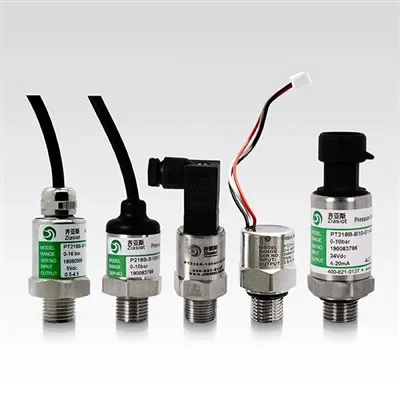
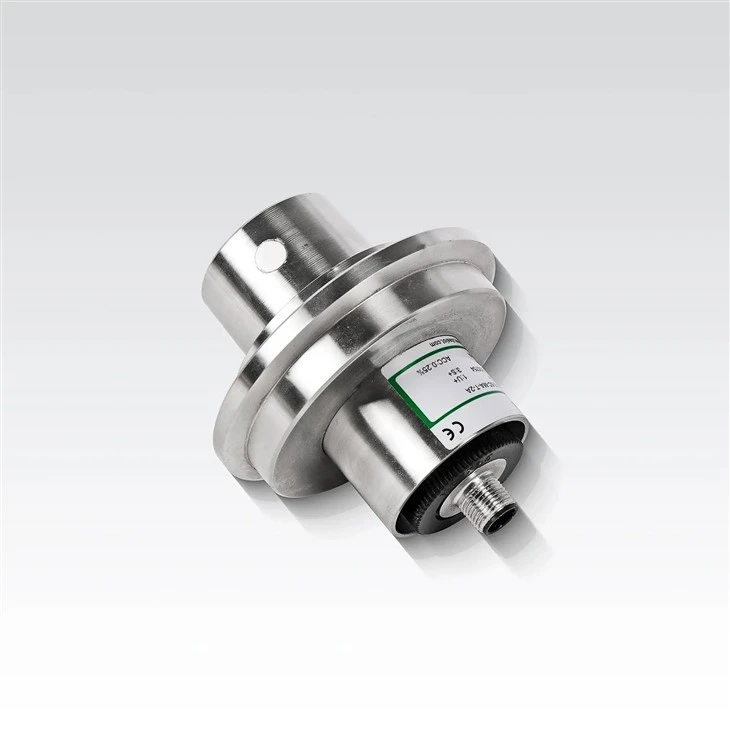
One of our notable products is the MEMS Pressure Sensor for Shield Tunneling Machine. This sensor is specifically designed for the harsh and demanding environment of shield tunneling. High linearity is crucial in this application as accurate pressure measurement is necessary for the proper operation of the tunneling machine, ensuring the safety of the workers and the integrity of the tunnel structure.
Contact Us for Procurement and Consultation
If you are in need of high - quality MEMS pressure transmitters with excellent linearity, we would be more than happy to assist you. Whether you are working on a small - scale project or a large - scale industrial application, our team of experts can help you choose the right product for your needs. We offer competitive pricing, reliable delivery, and outstanding after - sales support.
Don't hesitate to reach out to us for procurement discussions. We are committed to providing you with the best MEMS pressure transmitter solutions to meet your specific requirements.
References
- Smith, J. (2018). MEMS Pressure Sensor Technology: Principles and Applications. New York: Wiley.
- Jones, A. (2019). "Advances in MEMS Pressure Transmitter Design for Improved Linearity." Journal of Sensors and Actuators, Vol. 25, pp. 32 - 45.
- Brown, C. (2020). Industrial Pressure Measurement: Techniques and Best Practices. London: Elsevier.