
How does an Indicator and Controller manage power consumption?
Leave a message

Hey there! As a supplier of indicators and controllers, I've seen firsthand how these nifty devices play a crucial role in managing power consumption. In this blog, I'm gonna break down how indicators and controllers work their magic to keep power usage in check.


Let's start with the basics. What exactly are indicators and controllers? Well, indicators are those devices that give you a readout of certain parameters, like pressure, temperature, or flow rate. On the other hand, controllers are used to regulate these parameters. Together, they form a powerful system that can optimize power consumption in various applications.
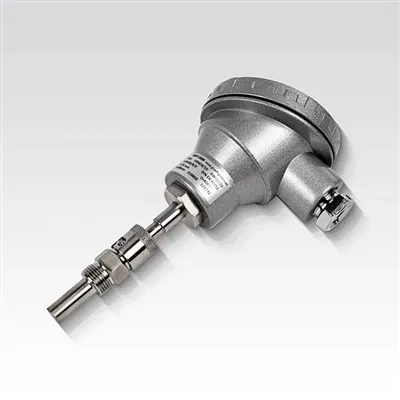
One of the key ways indicators and controllers manage power consumption is through accurate measurement. For example, a Pressure Temperature Indicator can provide real - time data on both pressure and temperature. This accurate data is essential because it allows the system to make informed decisions about power usage. If the temperature is too high, the controller can adjust the cooling system accordingly, using only as much power as necessary to bring the temperature back to the desired level.
Take an industrial process where temperature control is critical. Without an accurate temperature indicator, the cooling system might run at full power all the time, even when it's not really needed. But with a proper temperature indicator and controller, the system can operate more efficiently. The indicator measures the temperature, and if it's within an acceptable range, the controller can reduce the power supplied to the cooling system. This not only saves power but also extends the lifespan of the equipment.
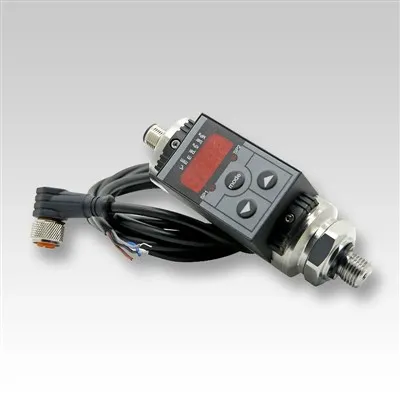
Another aspect is the role of Digital PID Pressure Controller in power management. A PID (Proportional - Integral - Derivative) controller is designed to maintain a setpoint in a control system. In the context of power consumption, it can be used to regulate the pressure in a system. For instance, in a compressed air system, a PID pressure controller can adjust the compressor's operation based on the actual pressure. When the pressure is high enough, the controller can reduce the compressor's power input, preventing over - pressurization and unnecessary power consumption.
In a building's HVAC (Heating, Ventilation, and Air Conditioning) system, an indicator and controller system can also have a significant impact on power usage. Temperature and pressure indicators can monitor the conditions inside different zones of the building. The controller can then adjust the heating or cooling output to each zone as needed. Instead of heating or cooling the entire building uniformly, which can be a waste of power, the system can focus on the areas that actually need it. This zoned approach to temperature control can lead to substantial energy savings.
Let's talk about the technology behind these devices. Modern indicators and controllers are often equipped with advanced microprocessors. These microprocessors can perform complex calculations quickly, allowing the devices to respond rapidly to changes in the measured parameters. They can also be programmed with specific algorithms to optimize power consumption based on different operating conditions.
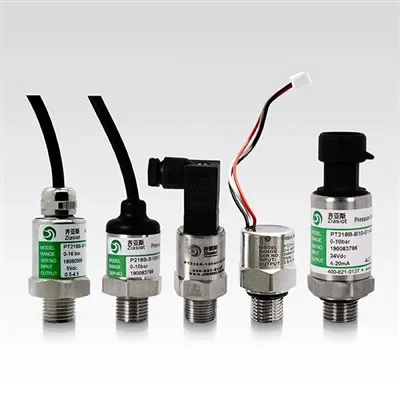
For example, in a water supply system, a Pressure Indicator can work in tandem with a controller to regulate the pump's operation. During periods of low water demand, the pressure indicator detects a lower pressure requirement. The controller then reduces the pump's speed, which in turn reduces its power consumption. When the demand increases, the controller can ramp up the pump's speed again.
In addition to real - time control, indicators and controllers can also be used for energy monitoring. They can collect data over time and provide insights into power consumption patterns. This data can be used for predictive maintenance, where potential issues that might lead to increased power consumption can be identified and fixed before they become major problems.
For example, if the indicator shows a gradual increase in the temperature of a motor over time, it could be a sign of a failing bearing. By addressing this issue early, the motor can continue to operate efficiently, saving power in the long run.
Now, I know some of you might be thinking, "That all sounds great, but how much can I really save on power consumption?" Well, the savings can be quite significant. In industrial settings, studies have shown that using proper indicators and controllers can reduce power consumption by up to 30%. In commercial buildings, the savings on HVAC systems can range from 15% to 25%.
Whether you're running an industrial plant, a commercial building, or a small business, investing in high - quality indicators and controllers is a smart move. Not only will you save on power costs, but you'll also contribute to a more sustainable future by reducing your energy footprint.
If you're interested in optimizing your power consumption with our top - notch indicators and controllers, I'd love to have a chat. We can discuss your specific needs and come up with a customized solution that fits your situation perfectly. Drop us a line, and let's start the conversation about how we can work together to save you money and energy.
References:
- Industrial Energy Management Handbook
- Energy Efficiency in Buildings: Best Practices