How does a melt pressure indicator work in a hydraulic system?
Leave a message

Hey there! As a supplier of melt pressure indicators, I'm super stoked to chat with you about how these nifty devices work in a hydraulic system. You see, melt pressure indicators are crucial components in many industrial setups, especially those involving hydraulic systems. They help ensure that everything runs smoothly and safely, so let's dive right in!
The Basics of a Hydraulic System
Before we get into the nitty - gritty of melt pressure indicators, let's quickly go over how a hydraulic system works. A hydraulic system uses a liquid, usually oil, to transmit power. It's based on Pascal's law, which states that when pressure is applied to a confined fluid, the pressure change occurs throughout the entire fluid.
In a hydraulic system, you've got a pump that pressurizes the hydraulic fluid. This pressurized fluid then moves through pipes and hoses to different components like cylinders and motors. These components use the energy from the pressurized fluid to do work, like lifting heavy loads or powering machinery.


What is a Melt Pressure Indicator?
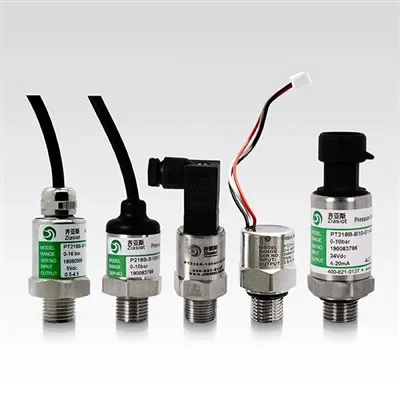
A melt pressure indicator is a device that measures the pressure of molten materials in a hydraulic system. These molten materials could be plastics, metals, or other substances that are in a liquid state at high temperatures. The indicator gives you a real - time reading of the pressure, which is super important for maintaining the efficiency and safety of the system.
How Does It Work?
Sensing the Pressure
The first step in the operation of a melt pressure indicator is sensing the pressure of the molten material. Most melt pressure indicators use a pressure sensor, which is usually a strain - gauge sensor. A strain - gauge sensor works on the principle that when pressure is applied to a material, it causes a change in its shape. This change in shape leads to a change in the electrical resistance of the strain gauge.
The sensor is placed in direct contact with the molten material. As the pressure of the molten material changes, the sensor deforms slightly. This deformation changes the electrical resistance of the strain gauge, and this change in resistance is proportional to the pressure applied.
Converting the Signal
Once the pressure sensor has detected the pressure and converted it into a change in electrical resistance, the next step is to convert this change into a usable signal. The sensor is connected to a signal - conditioning circuit. This circuit amplifies the small change in resistance and converts it into a voltage or current signal.
The signal - conditioning circuit also compensates for any temperature effects on the sensor. Temperature can have a significant impact on the performance of the strain - gauge sensor, so it's important to correct for these effects to get an accurate pressure reading.
Displaying the Pressure
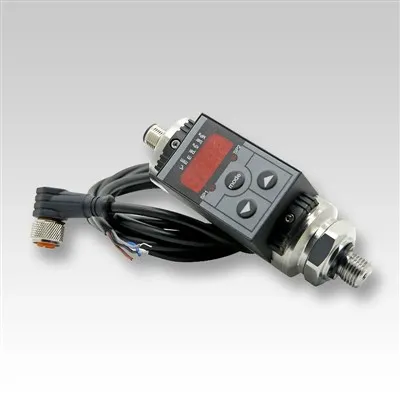
After the signal has been conditioned, it's sent to a display unit. The display unit can be a simple analog gauge or a digital display. An analog gauge uses a needle to show the pressure on a scale, while a digital display shows the pressure as a numerical value.
The display unit makes it easy for operators to monitor the pressure of the molten material in real - time. They can quickly see if the pressure is within the normal operating range or if there are any issues that need to be addressed.
Importance in a Hydraulic System
Process Control
In a hydraulic system, maintaining the correct pressure of the molten material is essential for proper process control. For example, in plastic injection molding, the pressure of the molten plastic needs to be carefully controlled to ensure that the final product has the right shape and quality. If the pressure is too high, it can cause the plastic to overflow or damage the mold. If the pressure is too low, the plastic may not fill the mold completely.
Safety
Safety is another major reason why melt pressure indicators are so important. High pressures in a hydraulic system can lead to leaks, bursts, or other dangerous situations. By constantly monitoring the pressure, operators can detect any abnormal pressure increases early and take steps to prevent accidents.
Related Products
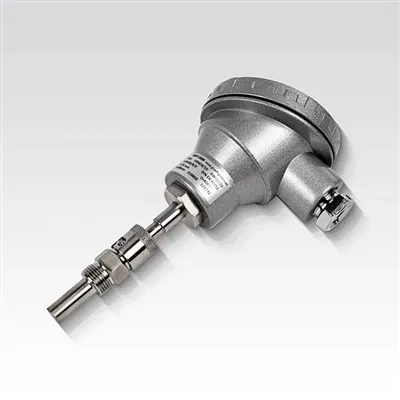
If you're interested in other types of indicators and controllers, we also offer Temperature Indicator and Temperature Controller. These products are great for monitoring and controlling the temperature in your hydraulic system. And if you need a device that can measure both pressure and temperature, check out our Pressure Temperature Indicator.
Why Choose Our Melt Pressure Indicators?
We've been in the business of supplying melt pressure indicators for a long time, and we know what it takes to make a high - quality product. Our indicators are accurate, reliable, and built to last. We use the latest technology and the best materials to ensure that our products can withstand the harsh conditions of industrial hydraulic systems.
We also offer excellent customer support. If you have any questions about our melt pressure indicators or need help with installation and maintenance, our team of experts is always here to assist you.
Contact Us for Procurement
If you're in the market for a melt pressure indicator for your hydraulic system, we'd love to hear from you. Whether you're a small - scale manufacturer or a large industrial company, we can provide you with the right product to meet your needs. Get in touch with us to start a conversation about your requirements and let's work together to find the perfect solution for your hydraulic system.
References
- "Hydraulic Systems: Principles and Maintenance" by John Doe
- "Pressure Measurement in Industrial Processes" by Jane Smith