How does a melt pressure indicator interact with a 3D printer's control system?
Leave a message

Hey there! As a supplier of melt pressure indicators, I've seen firsthand how these nifty devices interact with 3D printers' control systems. It's a pretty fascinating process, and I'm excited to break it down for you.
First off, let's talk about what a melt pressure indicator does. Simply put, it measures the pressure of the molten material (like plastic filament) inside the 3D printer's extruder. This is crucial because the pressure affects how the material is extruded and laid down to create the 3D object. If the pressure is too high or too low, it can lead to issues like uneven layers, clogging, or poor adhesion.
So, how does this melt pressure indicator communicate with the 3D printer's control system? Well, most modern 3D printers have a sophisticated control system that manages all the different aspects of the printing process, from the movement of the print head to the temperature of the extruder. The melt pressure indicator is connected to this control system, usually through a sensor cable.
The indicator continuously monitors the pressure and sends this data to the control system in real - time. The control system then uses this information to make adjustments as needed. For example, if the pressure is too high, the control system might slow down the extrusion speed to relieve the pressure. On the other hand, if the pressure is too low, it could increase the speed or adjust the temperature to make the material flow more easily.
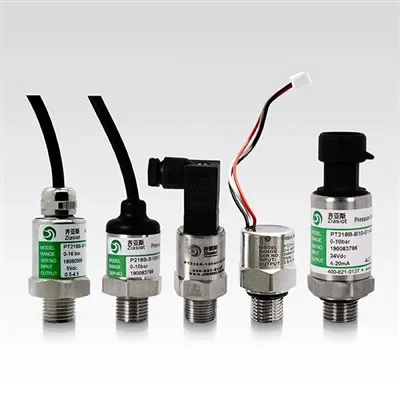
Let's take a closer look at the components involved in this interaction. The melt pressure indicator itself is made up of a pressure sensor and a display unit. The pressure sensor is the part that actually measures the pressure. It's usually a piezoelectric or strain - gauge sensor that can convert the mechanical force exerted by the molten material into an electrical signal.
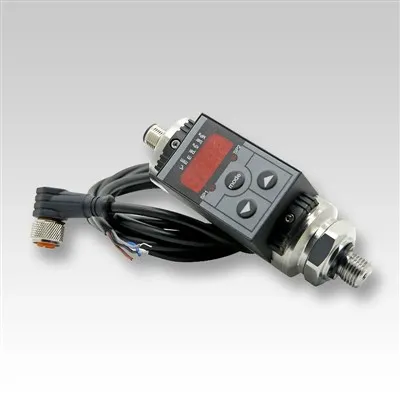
The display unit shows the measured pressure value, which can be useful for operators to monitor the process at a glance. Some advanced melt pressure indicators, like the Melt Pressure Controller, also have additional features such as alarms. These alarms can be set to trigger when the pressure goes outside a pre - defined safe range, alerting the operator to potential problems.
The 3D printer's control system is the brain of the operation. It receives the pressure data from the melt pressure indicator and processes it using algorithms. These algorithms are designed to analyze the data and determine the best course of action. For instance, they might use historical data and mathematical models to predict how the pressure will change over time and make proactive adjustments.
Now, let's talk about the importance of accurate pressure measurement. In 3D printing, precision is key. Even a small deviation in pressure can have a big impact on the final print quality. For example, if the pressure is too high during the printing of a thin - walled structure, it could cause the walls to bulge or crack. On the other hand, low pressure might result in incomplete layers or gaps in the print.
Accurate pressure measurement also helps in optimizing the printing process. By constantly monitoring and adjusting the pressure, the 3D printer can operate more efficiently. This means less material waste, faster printing times, and better overall performance.
Another aspect to consider is the integration of the melt pressure indicator with other sensors in the 3D printer. Most 3D printers also have temperature sensors, for example. The Pressure Temperature Indicator can measure both pressure and temperature simultaneously. This combined data is extremely valuable for the control system because temperature and pressure are closely related.
As the temperature of the molten material changes, its viscosity also changes, which in turn affects the pressure. So, by having access to both pressure and temperature data, the control system can make more informed decisions. For example, if the temperature drops and the pressure starts to increase, the control system can increase the temperature to bring the pressure back to the optimal level.
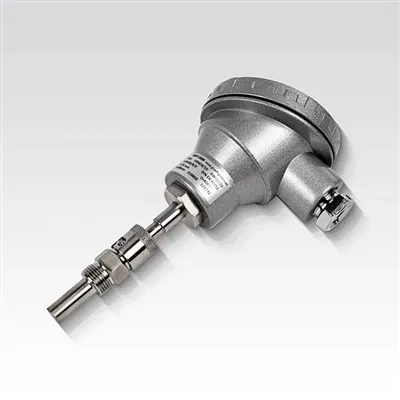
The Temperature Indicator is also an important part of the overall system. It provides the control system with information about the temperature of the extruder and the build platform. This data is used in conjunction with the pressure data to ensure that the printing conditions are just right.
When it comes to choosing a melt pressure indicator for your 3D printer, there are a few things to keep in mind. First, you need to make sure that the indicator is compatible with your 3D printer's control system. Different printers have different communication protocols, so it's important to choose an indicator that can interface properly.
Second, consider the accuracy and reliability of the indicator. You want an indicator that can provide consistent and precise pressure measurements over a long period of time. Look for indicators that have been tested and certified to meet industry standards.
Finally, think about the additional features that the indicator offers. As mentioned earlier, features like alarms and the ability to measure multiple parameters can be very useful.
In conclusion, the interaction between a melt pressure indicator and a 3D printer's control system is a complex but essential part of the 3D printing process. By providing real - time pressure data, the melt pressure indicator allows the control system to make adjustments that ensure high - quality prints. Whether you're a hobbyist or a professional 3D printer operator, having a reliable melt pressure indicator can make a big difference in your printing results.
If you're interested in learning more about our melt pressure indicators or have any questions about how they can be integrated with your 3D printer's control system, don't hesitate to reach out. We're here to help you find the best solution for your needs and are always ready to engage in a productive procurement discussion.
References


- "3D Printing Technology: Principles and Applications" by Ian Gibson, David W. Rosen, and Brent Stucker
- Industry whitepapers on 3D printer control systems and sensor integration.