
What is the shock resistance of MEMS pressure transmitters?
Leave a message

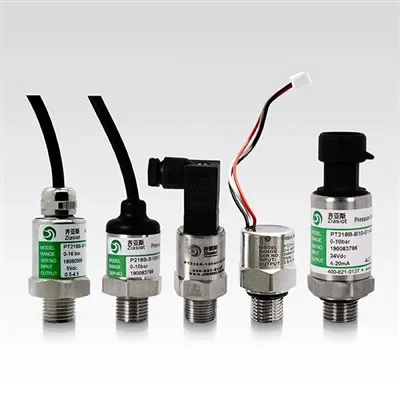
As a supplier of MEMS pressure transmitters, I often get asked about the shock resistance of these remarkable devices. MEMS, or Micro-Electro-Mechanical Systems, pressure transmitters have revolutionized the field of pressure measurement with their small size, high accuracy, and low power consumption. However, one crucial aspect that users are always concerned about is how well these transmitters can withstand shocks and vibrations in various industrial environments.

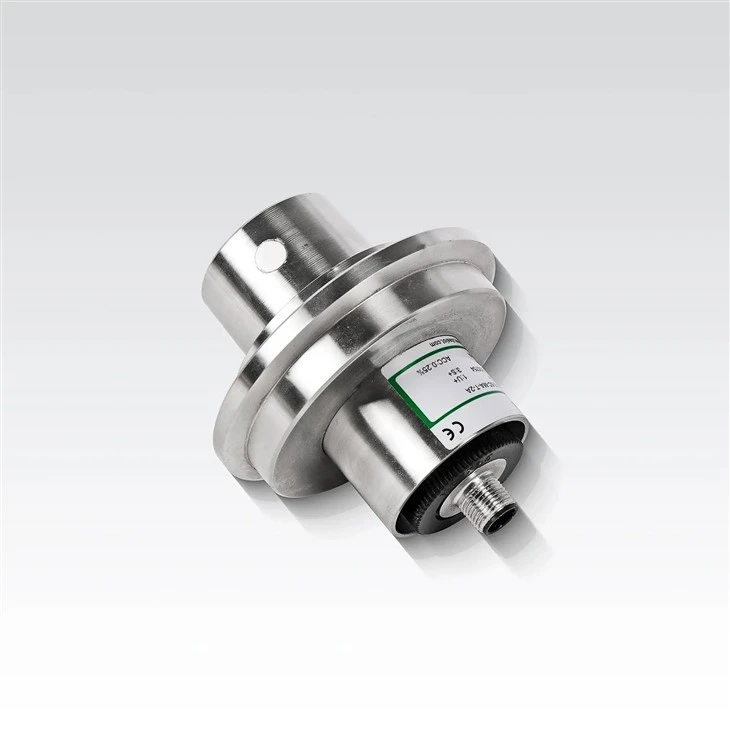
Understanding Shock Resistance in MEMS Pressure Transmitters
Shock resistance refers to the ability of a MEMS pressure transmitter to maintain its performance and integrity when subjected to sudden and intense mechanical forces. These forces can occur due to a variety of reasons, such as impacts during transportation, vibrations from machinery, or sudden changes in pressure. In industrial applications, shock resistance is of utmost importance as it ensures the reliability and longevity of the pressure transmitter.
MEMS pressure transmitters are designed with a microfabricated sensing element that converts pressure into an electrical signal. This sensing element is typically made of silicon and is extremely sensitive to even the slightest changes in pressure. However, its small size and delicate nature also make it vulnerable to damage from shocks and vibrations.
To enhance the shock resistance of MEMS pressure transmitters, manufacturers employ several techniques. One common approach is to use a robust packaging design that can absorb and dissipate the energy from shocks. This may involve using materials with high shock-absorbing properties, such as elastomers or foams, to cushion the sensing element. Additionally, the packaging may be designed to isolate the sensing element from external vibrations, reducing the risk of damage.
Another technique used to improve shock resistance is to optimize the mechanical structure of the sensing element itself. This may involve using thicker or more rigid silicon membranes, or incorporating additional support structures to reinforce the sensing element. By increasing the mechanical strength of the sensing element, it can better withstand the forces generated by shocks and vibrations.
Testing Shock Resistance
To ensure that MEMS pressure transmitters meet the required shock resistance standards, manufacturers conduct rigorous testing procedures. These tests typically involve subjecting the transmitters to a series of shocks of varying magnitudes and frequencies. The transmitters are then evaluated for their performance and integrity after each shock.
One common test method is the drop test, where the pressure transmitter is dropped from a specified height onto a hard surface. This simulates the impact that the transmitter may experience during transportation or handling. Another test method is the vibration test, where the transmitter is subjected to a continuous vibration at a specified frequency and amplitude. This simulates the vibrations that the transmitter may encounter in industrial environments.
During these tests, the performance of the pressure transmitter is monitored using various parameters, such as accuracy, linearity, and hysteresis. Any significant changes in these parameters may indicate damage to the sensing element or other components of the transmitter. If the transmitter fails to meet the required shock resistance standards, it may be redesigned or modified to improve its performance.
Importance of Shock Resistance in Industrial Applications
In industrial applications, the shock resistance of MEMS pressure transmitters is crucial for several reasons. Firstly, it ensures the reliability and accuracy of pressure measurements. In applications where precise pressure control is required, such as in chemical processing or aerospace, even a small error in pressure measurement can have serious consequences. By using pressure transmitters with high shock resistance, the risk of measurement errors due to shocks and vibrations is minimized.
Secondly, shock resistance helps to extend the lifespan of the pressure transmitter. In industrial environments, transmitters are often subjected to harsh conditions, including shocks, vibrations, and temperature variations. By using transmitters that can withstand these conditions, the need for frequent replacements is reduced, resulting in cost savings for the user.
Finally, shock resistance is important for safety reasons. In applications where pressure is a critical parameter, such as in oil and gas pipelines or hydraulic systems, a failure of the pressure transmitter due to shock or vibration can lead to dangerous situations. By using transmitters with high shock resistance, the risk of such failures is minimized, ensuring the safety of personnel and equipment.
MEMS Pressure Sensor for Shield Tunneling Machine
One specific application where shock resistance is particularly important is in shield tunneling machines. Shield tunneling machines are used to excavate tunnels in various geological conditions, and they are subjected to high levels of shocks and vibrations during operation. MEMS Pressure Sensor for Shield Tunneling Machine
In shield tunneling machines, MEMS pressure sensors are used to measure the pressure of the excavation face, the grouting pressure, and the pressure in the hydraulic system. These measurements are crucial for controlling the operation of the tunneling machine and ensuring the safety of the tunneling process.
Due to the harsh operating conditions in shield tunneling, the MEMS pressure sensors used in these machines must have high shock resistance. They must be able to withstand the shocks and vibrations generated by the excavation process, as well as the impacts from the surrounding soil and rock. Additionally, the sensors must be able to maintain their accuracy and reliability over long periods of time, even in the presence of high levels of dust, moisture, and temperature variations.
Conclusion
In conclusion, the shock resistance of MEMS pressure transmitters is a crucial factor in their performance and reliability in industrial applications. By using advanced packaging designs and optimizing the mechanical structure of the sensing element, manufacturers can enhance the shock resistance of these transmitters. Rigorous testing procedures are also conducted to ensure that the transmitters meet the required shock resistance standards.
In applications such as shield tunneling machines, where shock resistance is particularly important, MEMS pressure sensors with high shock resistance are essential for accurate pressure measurement and safe operation. As a supplier of MEMS pressure transmitters, we are committed to providing our customers with high-quality products that meet their specific requirements.
If you are interested in learning more about our MEMS pressure transmitters or would like to discuss your specific application needs, please feel free to contact us. We look forward to working with you to provide the best pressure measurement solutions for your industrial applications.
References
- Smith, J. (2018). MEMS Pressure Sensors: Principles and Applications. New York: Springer.
- Johnson, R. (2019). Shock and Vibration Testing of Electronic Components. London: Elsevier.
- Brown, A. (2020). Industrial Pressure Measurement: Techniques and Applications. Berlin: Wiley.