How do Indicators and Controllers contribute to energy management?
Leave a message

Indicators and controllers play a pivotal role in modern energy management systems. As a dedicated supplier of high - quality indicators and controllers, I have witnessed firsthand how these devices can revolutionize the way we manage and conserve energy. In this blog post, I will delve into the various ways in which indicators and controllers contribute to energy management and highlight the importance of integrating them into different industrial and commercial settings.
Understanding Indicators and Controllers
Before we explore their role in energy management, let's first understand what indicators and controllers are. Indicators are devices that display important information such as temperature, pressure, flow rate, and other process variables. They provide real - time data that operators can use to monitor the status of a system. On the other hand, controllers are used to regulate and control these variables. They receive input from sensors, compare it to a setpoint, and then adjust the output to maintain the desired conditions.
Energy Efficiency through Precise Monitoring
One of the primary ways indicators and controllers contribute to energy management is through precise monitoring. For instance, a Temperature Indicator can provide accurate readings of the temperature in a manufacturing process or a building's HVAC system. By having real - time access to this data, operators can identify any inefficiencies or deviations from the optimal temperature range.
In a large - scale industrial plant, if the temperature of a chemical reaction is not within the specified range, it can lead to increased energy consumption as the system may need to work harder to achieve the desired outcome. A temperature indicator allows operators to detect such issues early on and take corrective action. This could involve adjusting the heating or cooling systems, which in turn reduces unnecessary energy usage.
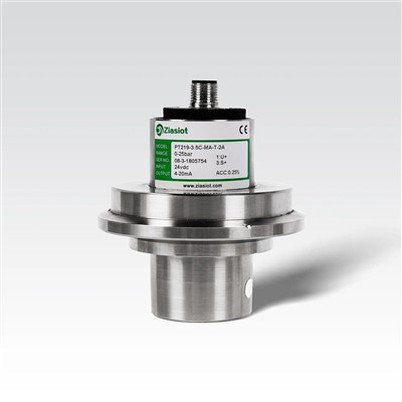
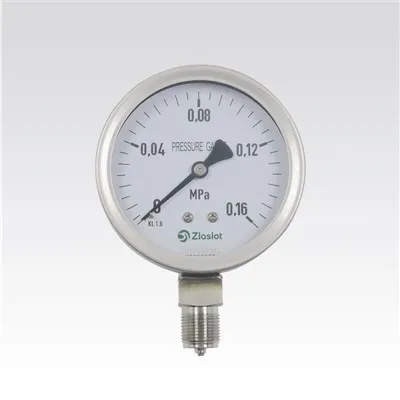
Similarly, pressure indicators are crucial in systems where pressure control is vital. In a hydraulic system, for example, an accurate Digital PID Pressure Controller can ensure that the pressure is maintained at the optimal level. If the pressure is too high, it can cause excessive wear and tear on the equipment and also lead to increased energy consumption. By constantly monitoring and controlling the pressure, the system can operate more efficiently, saving energy in the process.
Optimizing System Performance
Controllers are the key to optimizing system performance and thus reducing energy consumption. They use algorithms and feedback loops to adjust the system's output based on the input received from sensors. For example, in a building's lighting system, a controller can be programmed to adjust the brightness of the lights based on the amount of natural light available.
During the day, when there is ample sunlight, the controller can dim the artificial lights, reducing energy usage. At night or in areas with low natural light, the controller can increase the brightness to maintain a comfortable level of illumination. This kind of intelligent control not only saves energy but also extends the lifespan of the lighting fixtures.
In a manufacturing process, a Melt Pressure Controller can be used to regulate the pressure during the melting of materials. By precisely controlling the pressure, the process can be carried out more efficiently, reducing the energy required to melt the materials and also improving the quality of the final product.
Preventing Energy Waste
Indicators and controllers are also effective in preventing energy waste. They can detect abnormal conditions in a system and alert operators before a significant amount of energy is wasted. For example, in a water heating system, a temperature indicator can detect if the water is overheating. If the temperature exceeds the setpoint, the controller can shut off the heating element, preventing further energy consumption.


In an industrial compressor, a pressure indicator can detect if there is a leak in the system. A leak can cause the compressor to work continuously to maintain the desired pressure, resulting in a significant waste of energy. Once the leak is detected, the controller can shut down the compressor or trigger an alarm, allowing operators to fix the issue promptly.
Integration with Energy Management Systems
Indicators and controllers can be seamlessly integrated with larger energy management systems. These systems can collect data from multiple indicators and controllers across different parts of a facility and analyze it to identify trends and areas for improvement. For example, an energy management system can analyze the data from temperature indicators in different rooms of a building to determine if there are any areas that are consistently over - or under - heated.
Based on this analysis, the system can generate reports and recommendations for optimizing the energy usage. It can also be used to implement automated control strategies, such as adjusting the HVAC system based on the occupancy of the building. By integrating indicators and controllers with energy management systems, organizations can achieve a more holistic approach to energy management.
Case Studies
To illustrate the real - world impact of indicators and controllers on energy management, let's look at a few case studies.
In a food processing plant, the installation of temperature indicators and controllers in the refrigeration units led to a significant reduction in energy consumption. By precisely controlling the temperature, the units were able to operate more efficiently, reducing the amount of energy required to keep the food products at the optimal storage temperature.
In a commercial building, the integration of lighting controllers with an energy management system resulted in a 20% reduction in lighting energy usage. The controllers adjusted the brightness of the lights based on the natural light and occupancy, ensuring that energy was not wasted on unnecessary illumination.
The Future of Indicators and Controllers in Energy Management
As technology continues to evolve, the role of indicators and controllers in energy management is only going to become more important. The development of smart sensors and advanced control algorithms will enable even more precise monitoring and control of energy - consuming systems.
For example, the Internet of Things (IoT) is already having a significant impact on the field of energy management. Indicators and controllers can be connected to the IoT, allowing for remote monitoring and control. This means that operators can manage energy usage from anywhere in the world, making it easier to optimize systems and respond to changing conditions in real - time.
Conclusion
Indicators and controllers are essential components of modern energy management systems. They contribute to energy management through precise monitoring, optimizing system performance, preventing energy waste, and integrating with larger energy management systems. As a supplier of indicators and controllers, I am committed to providing high - quality products that can help organizations reduce their energy consumption and achieve their sustainability goals.
If you are interested in learning more about how our indicators and controllers can benefit your energy management efforts, I encourage you to reach out to us for a detailed discussion. We can provide customized solutions based on your specific needs and requirements. Let's work together to create a more energy - efficient future.
References
- DOE (Department of Energy). Energy Management Best Practices.
- ASHRAE (American Society of Heating, Refrigerating and Air - Conditioning Engineers). Handbook of HVAC Systems and Equipment.
- IEEE (Institute of Electrical and Electronics Engineers). Transactions on Smart Grid related to energy management and control systems.