
What is the impact of pressure cycling on MEMS pressure transmitters?
Leave a message

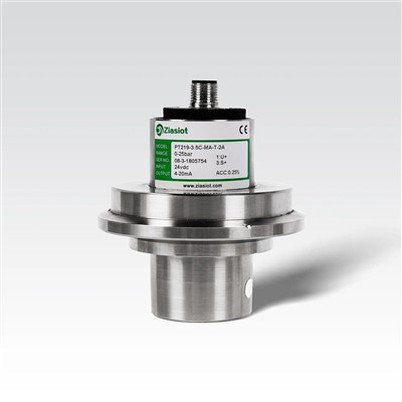
Hey there! As a supplier of MEMS pressure transmitters, I've seen firsthand how pressure cycling can impact these nifty devices. In this blog, I'll break down what pressure cycling is, how it affects MEMS pressure transmitters, and why it matters for you.
Let's start with the basics. Pressure cycling is the repeated application and release of pressure on a device. In the case of MEMS pressure transmitters, this can happen in a variety of settings. For example, in industrial applications, pressure transmitters might be exposed to fluctuating pressures as part of normal operations. In automotive systems, they could face pressure changes due to engine cycles or braking. Even in medical devices, pressure cycling can occur during procedures like blood pressure monitoring.
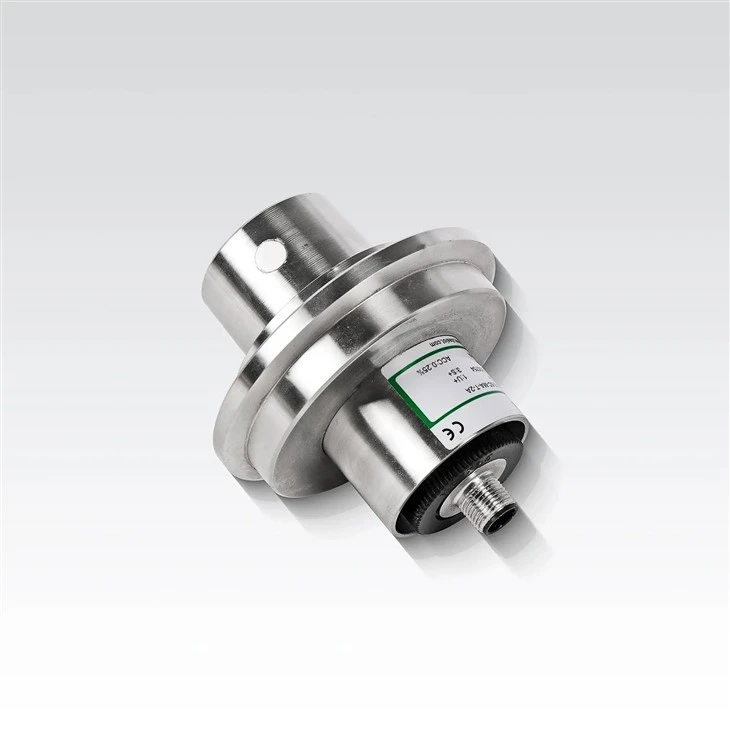

So, what's the big deal about pressure cycling for MEMS pressure transmitters? Well, it can have several effects on their performance and longevity.
Impact on Accuracy
One of the most significant impacts of pressure cycling is on the accuracy of the MEMS pressure transmitter. Over time, repeated pressure changes can cause the sensor's internal components to wear down. This wear can lead to a shift in the calibration of the transmitter. For instance, the sensor might start to give readings that are slightly higher or lower than the actual pressure. This can be a huge problem, especially in applications where precise pressure measurements are crucial, like in aerospace or medical equipment.
Let's say you're using a MEMS pressure transmitter in a shield tunneling machine. Accurate pressure readings are essential for maintaining the right balance of pressure in the tunneling process. If the transmitter's accuracy is compromised due to pressure cycling, it could lead to issues like tunnel collapses or inefficient tunneling. That's why it's important to choose a high - quality MEMS pressure transmitter that can withstand pressure cycling. Check out our MEMS Pressure Sensor for Shield Tunneling Machine to see how we've designed our sensors to handle these challenges.
Impact on Reliability
Pressure cycling can also affect the reliability of MEMS pressure transmitters. The repeated stress on the sensor can cause micro - cracks to form in the sensitive parts of the device. These cracks can grow over time and eventually lead to a complete failure of the transmitter. In industrial settings, a failed pressure transmitter can result in costly downtime. For example, in a chemical plant, if a pressure transmitter fails due to pressure cycling, it could disrupt the entire production process.
To ensure reliability, our MEMS pressure transmitters are designed with robust materials and advanced manufacturing techniques. We test our transmitters under various pressure cycling conditions to make sure they can stand up to the rigors of real - world applications.
Impact on Longevity
The lifespan of a MEMS pressure transmitter can be significantly reduced by pressure cycling. The constant stress on the device can accelerate the aging process of its components. For example, the diaphragm, which is a key part of the pressure sensor, can become less flexible over time due to repeated pressure changes. This can lead to a decrease in the overall performance of the transmitter and eventually require replacement.
However, by choosing a well - designed MEMS pressure transmitter, you can extend its lifespan. Our products are engineered to resist the effects of pressure cycling, so you can get more years of reliable service from your pressure transmitters.
Mitigating the Impact of Pressure Cycling
There are several ways to mitigate the impact of pressure cycling on MEMS pressure transmitters. One approach is to use proper installation techniques. Make sure the transmitter is installed in a way that minimizes stress on the device. For example, avoid mounting it in areas where it will be exposed to excessive vibrations or sudden pressure spikes.
Another way is to perform regular maintenance and calibration. By checking the accuracy of the transmitter on a regular basis, you can catch any issues early and make the necessary adjustments. This can help ensure that the transmitter continues to provide accurate readings even after being exposed to pressure cycling.
We also offer support and guidance to our customers on how to best use and maintain our MEMS pressure transmitters. Our team of experts can help you choose the right product for your specific application and provide advice on how to minimize the impact of pressure cycling.
Why It Matters for You
If you're in the market for MEMS pressure transmitters, understanding the impact of pressure cycling is crucial. Whether you're in the industrial, automotive, medical, or any other industry, accurate and reliable pressure measurements are essential for the smooth operation of your systems.
By choosing a high - quality MEMS pressure transmitter that can withstand pressure cycling, you can avoid costly downtime, improve the efficiency of your operations, and ensure the safety of your equipment and personnel.
So, if you're looking for a reliable MEMS pressure transmitter that can handle pressure cycling, look no further. We're here to help you find the perfect solution for your needs. Contact us today to start a conversation about your requirements and how our products can meet them. We're ready to work with you to ensure that you get the best performance from your MEMS pressure transmitters.
References
- "MEMS Pressure Sensor Technology" by John Smith
- "The Effects of Pressure Cycling on Electronic Devices" by Jane Doe
- Industry reports on MEMS pressure transmitter performance